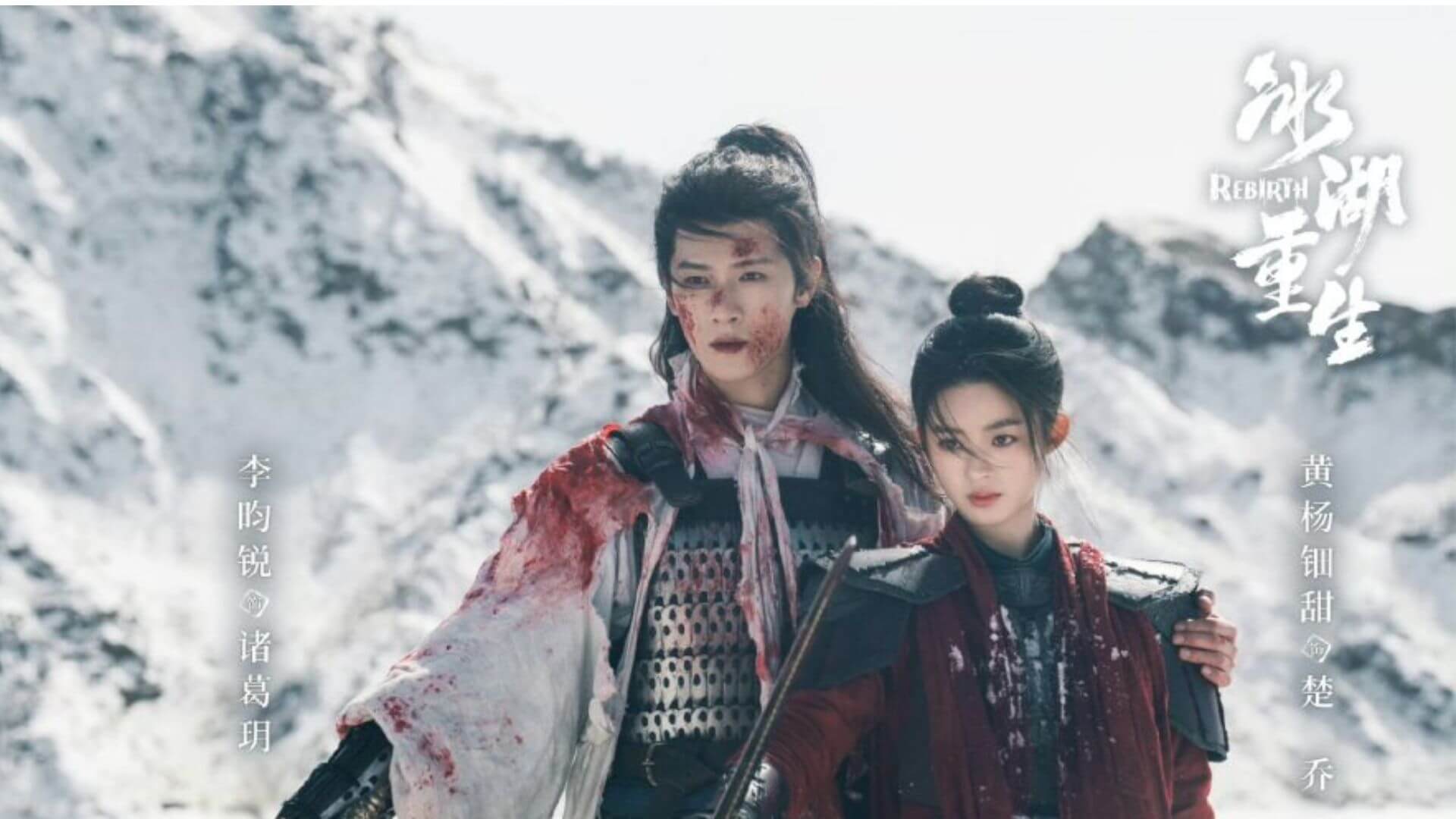
Pursuit of Jade: First Impressions (Episodes 1–10)
 The Binge Team
- April 7, 2026

As someone who usually leans more toward K-dramas and doesn’t often pick up Chinese historical dramas unless something really stands out, I didn’t expect Pursuit of Jade to pull me in the way it did, but somewhere between the grounded storytelling, the slow-burn character dynamics, and the gradual shift in tone, I found myself getting invested without even realizing when it happened, which is honestly the best kind of surprise when you start a new series.
A Marriage That Starts Necessity (Episode 1 – 3 )
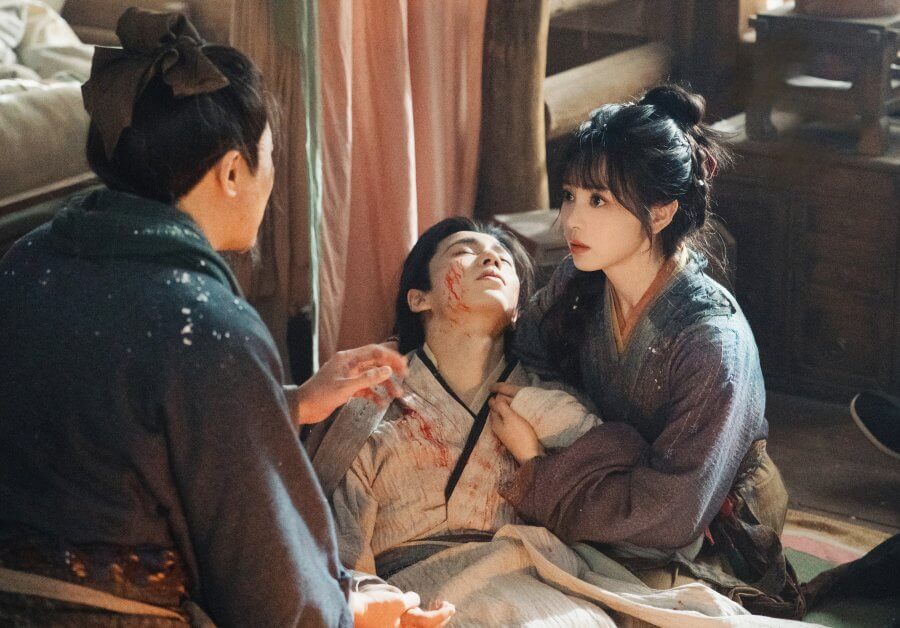
The story begins with Fan Changyu, a butcher’s daughter who is trying to hold her life together after losing her parents, and Xie Zheng, a fallen nobleman who is hiding his identity while carrying a quiet but heavy desire for revenge, and the way their paths cross during a snowstorm feels dramatic on the surface but is written in a way that still feels grounded and believable rather than overly exaggerated.
What follows is the introduction of a classic trope, which is the marriage of convenience, but instead of romanticizing it, the drama frames it as a practical decision driven by survival, where Changyu needs stability and protection for her home and younger sister, while Xie Zheng needs a safe place to recover and stay hidden, making their arrangement feel less like a fantasy setup and more like a mutual understanding born out of necessity.
Characters That Feel Surprisingly Real (Episode 4 – 6 )
As the story settles into its early phase, the drama takes its time exploring Changyu’s everyday struggles, showing her managing a butcher shop, dealing with gossip from villagers, and constantly looking out for her younger sister, all while living in an environment that doesn’t treat her kindly, and what stands out here is how the show doesn’t glamorize poverty but instead presents it through small, realistic details like food, money, and difficult choices.
At the same time, Xie Zheng initially comes across as the typical quiet and mysterious male lead who is clearly hiding something, but as the episodes progress, the writing starts adding layers to his character, revealing a vulnerability that contrasts with Changyu’s straightforward and emotionally open nature, creating a dynamic where she is physically strong and unapologetically honest while he remains controlled, strategic, and weighed down by his past, even though, this dynamic does feel familiar and slightly predictable at times since we’ve seen similar pairings in many dramas before. Still, the early episodes manage to maintain a light and slightly chaotic energy through awkward interactions, misunderstandings, and Changyu’s blunt personality, which adds a touch of humor that makes the show easier to watch.
A Fake Marriage Starts Feeling Real (Episode 7 – 9)
Once the fake marriage begins to settle into their daily lives, the drama finds its emotional core, and what works really well here is that the relationship doesn’t suddenly become romantic in an unrealistic way but instead develops gradually through small, meaningful moments like sharing meals, protecting each other in quiet ways, and having late-night conversations that slowly build trust between them.
At the same time, the narrative starts expanding beyond the village setting, giving us glimpses into Xie Zheng’s past, the political tensions surrounding his story, and the revenge plot that has been quietly building in the background, which creates a noticeable shift in tone as the drama transitions from a slice-of-life feel to something heavier and more layered, making it clear that the calm atmosphere of the earlier episodes won’t last forever.
Story Finally Finds Its Direction
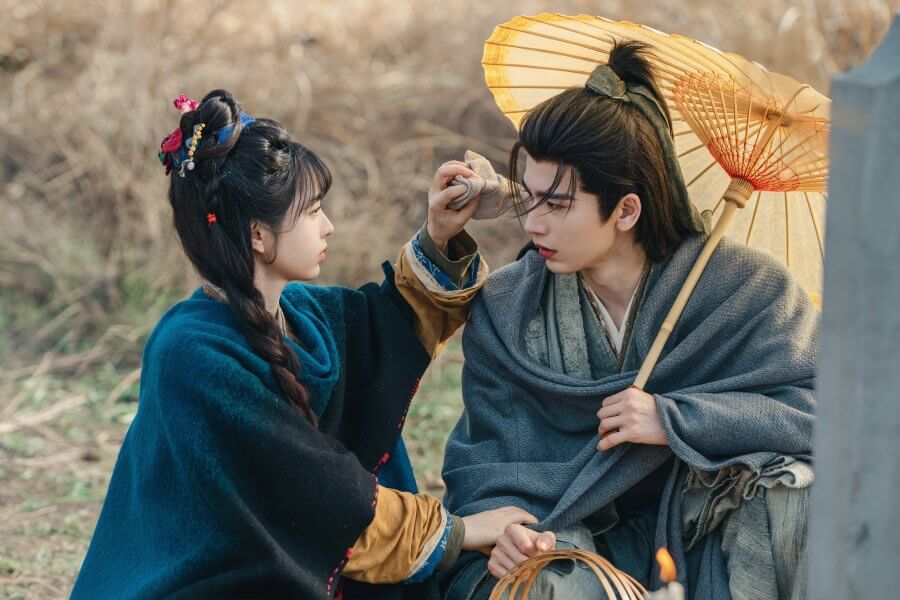
By the time the story reaches around episode 10, it begins to move into a broader and more intense narrative where the village setting starts to take a backseat and the focus shifts toward political intrigue, conflict, and the consequences of past actions, allowing themes like revenge, identity, and justice to take center stage as Xie Zheng’s true purpose becomes more apparent.
There is also a noticeable tonal shift at this point, where the warmth and simplicity of the earlier episodes are still present but are now layered with tension and uncertainty, making it clear that this is no longer just a romance-driven story but something much larger that explores survival in a dangerous and unpredictable world, and honestly, this transition is what made the drama more interesting for me.
Pursuit of Jade is Cliché Yet Comforting in Its Own Way
If I’m being completely honest, I find myself somewhere in the middle with this drama, because while I don’t fully love it or hate it, I also can’t ignore the fact that it has its own charm, especially through the dynamic between the leads, which feels unexpectedly wholesome despite the familiar setup. The plot does rely on clichés, particularly with its fake marriage trope and character dynamics, but at the same time, it manages to stay engaging because of its emotional warmth, occasional humor, and the slow-building revenge angle that adds some depth to the story, and I genuinely didn’t expect to laugh as much as I did while watching it.
So, if you enjoy dramas with familiar tropes, slow-burn relationships, and a revenge storyline that gradually unfolds, Pursuit of Jade is something you might find yourself enjoying more than you expect.
✦ Watch This If You Loved
For fans of youth romances who love slow-burn rivals-to-lovers stories, forced proximity, gorgeous coastal scenery, and addictive banter. If you enjoyed "Lighter and Princess", this beautifully shot C-drama is an easy summer comfort watch that will leave you smiling.
Drama Info
TitlePursuit of Jade
Total Episodes40
CountryChina
Genrehistorical romance · political drama · revenge · slow-burn
Release Date6th March 2026
StreamNetflix
 Netflix
Main Cast

Guan Xiao Tong
Qing Ye

Li Yun Rui
Xing Wu
MAB Score (For Episodes 1-10)7/10Overall Rating
7/10
Overall Rating
Story
Acting
Chemistry