Author: Pri

  • Fated Hearts Review: Li Qin and Chen Zhe Yuan 2025 C-Drama

    Fated Hearts Review: Li Qin and Chen Zhe Yuan 2025 C-Drama

    I hadn’t planned to start watching this yet. Really, I hadn’t. But somehow, I fell straight into its trap. I thought I’d take a quick peek at the first episode, and almost instantly, the clock hit 6:00 AM, five episodes were down, and there was no way to stop. It is that good. It’s no wonder the ratings are soaring; this is the kind of drama that consumes you.

    The Art of the Slow Shift

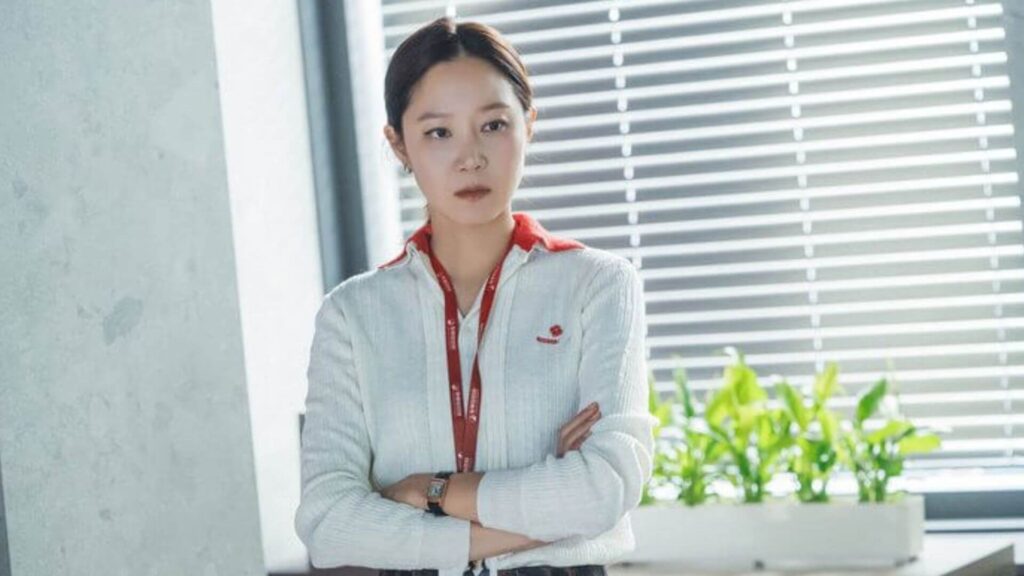
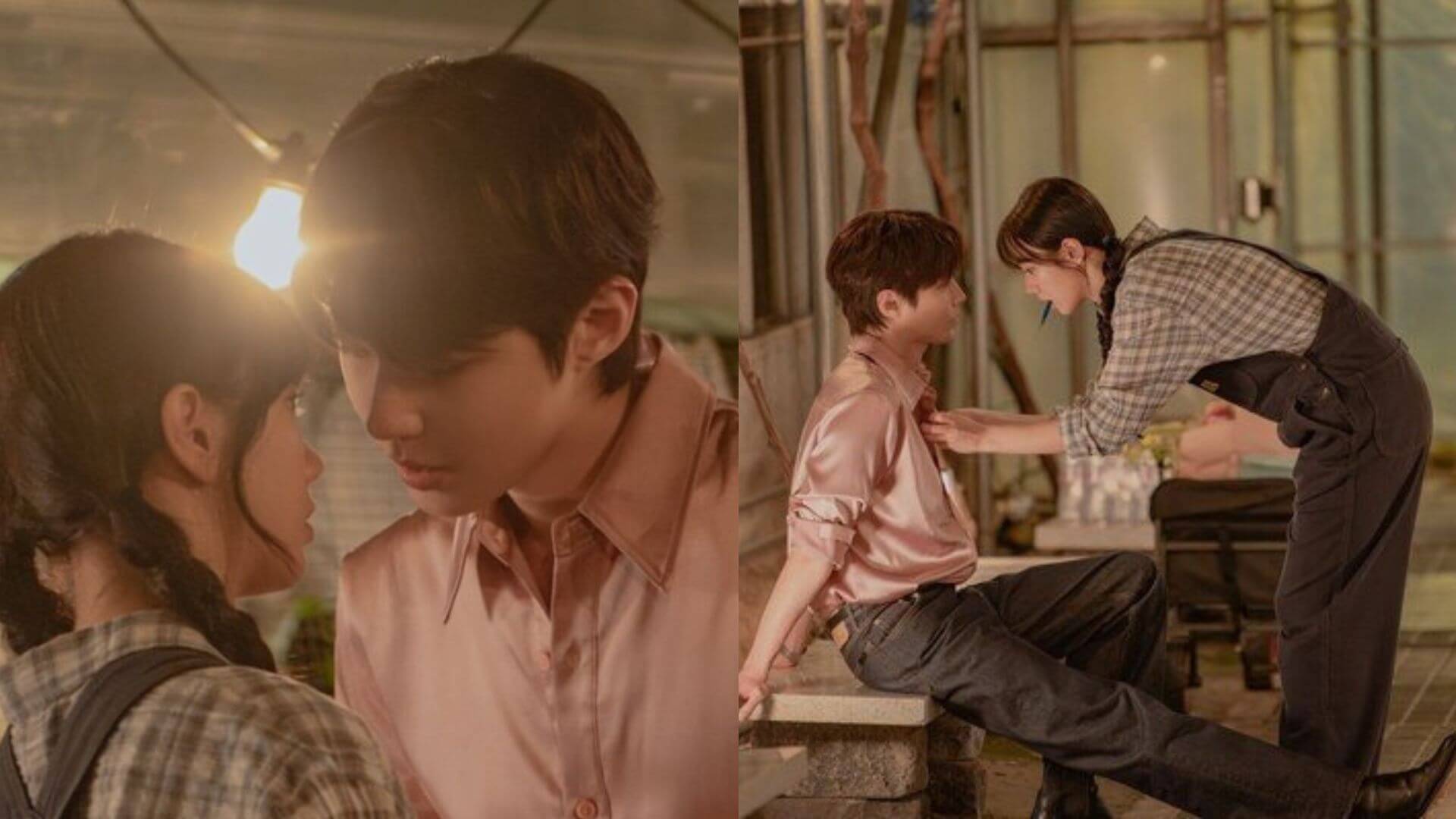
    Fated-Hearts-Li-Quin-Chen-Zhe-Yuan-in-2025-c-drama

    Whenever I watch an “enemies-to-lovers” story, I never get tired of that delicate transition where two people slowly grow into each other. They begin to learn the softest parts of one another, the secrets never spoken, the weaknesses hidden behind armor.

    In Fated Hearts, this trope is executed to perfection. It isn’t rushed, but it isn’t dragging either. After the brutality of the first two episodes, I was genuinely curious how the writers would ever bridge the gap between the two leads. Seriously, they hated each other, and Feng Sui Ge (the ML) tortured the female lead pretty badly. Watching that animosity melt into something defiant and sacrificial was a journey worth every minute of sleep I lost.

    A Romance of Equals

    What truly stood out is how sensibly balanced the relationship between Fu Yi Xiao and Feng Sui Ge is. They are both capable, confident, and competent individuals who don’t lose their identity just because they fall in love.

    I absolutely love that the writing keeps them as equals. She never becomes the “damsel” who needs the ML to protect her. He respects her strength and intelligence, letting her take risks and fight her own battles rather than forcing her to hide behind him out of overprotectiveness. In so many dramas, once characters fall in love, they turn into fools and lose their edge. Here? They stay ruthless, individualistic, and brilliant.

    Li Qin: The Definitive Female General

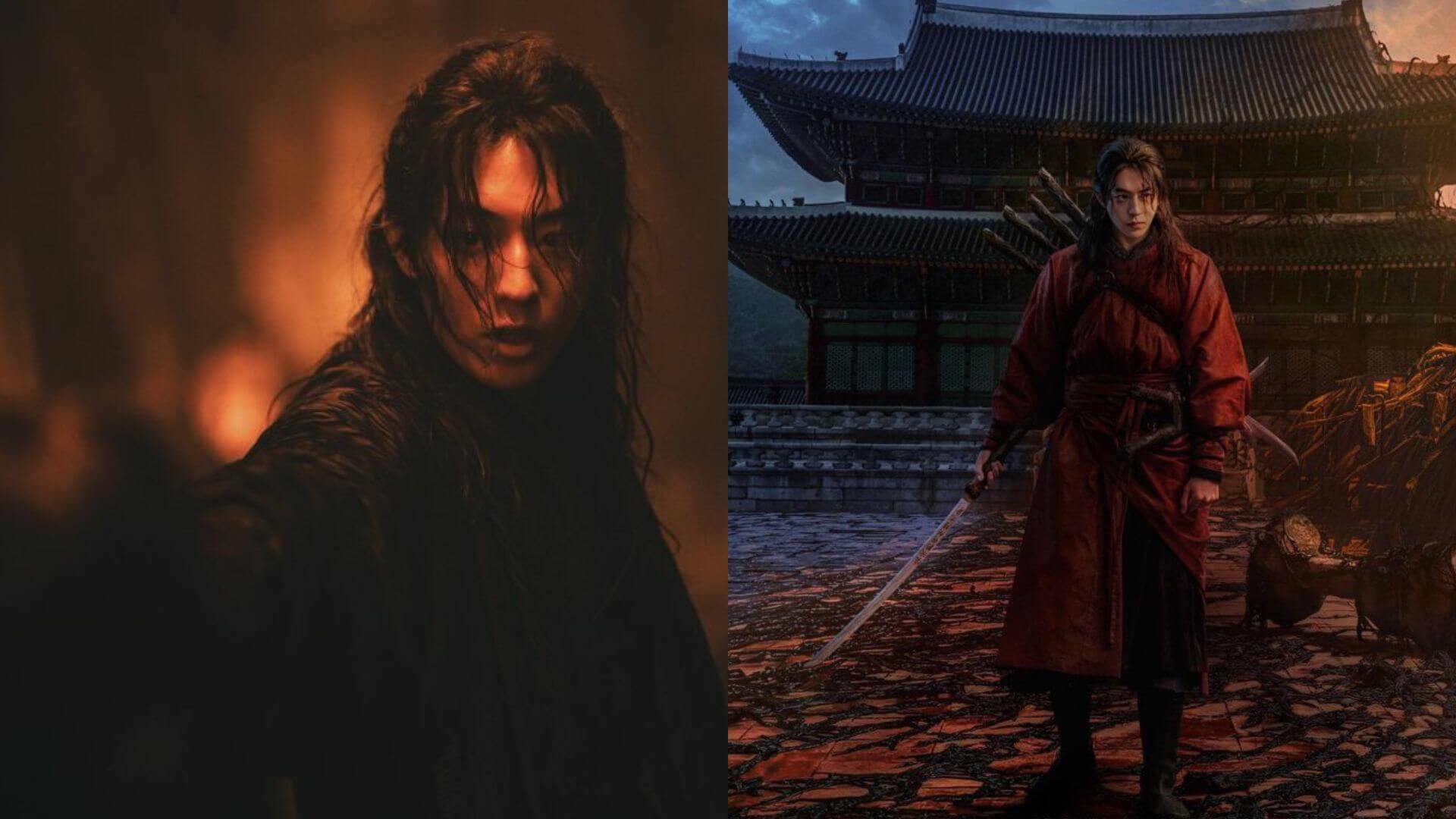
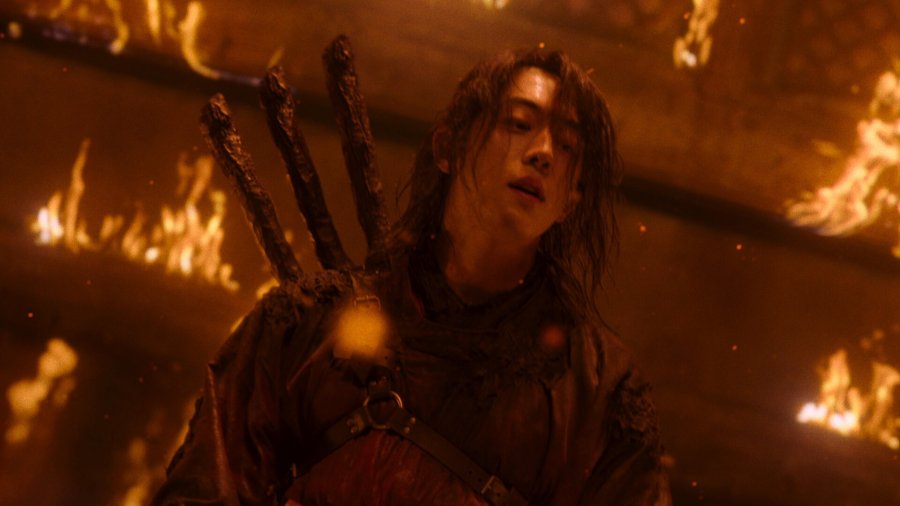
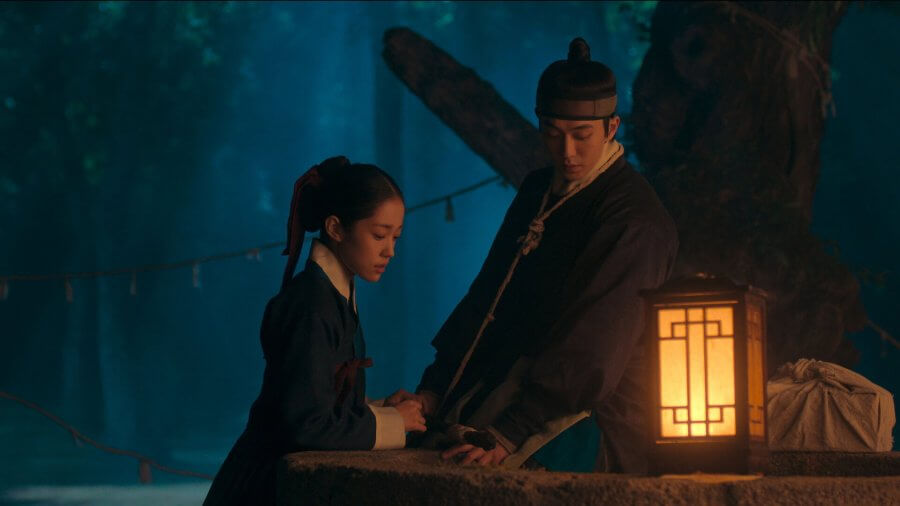
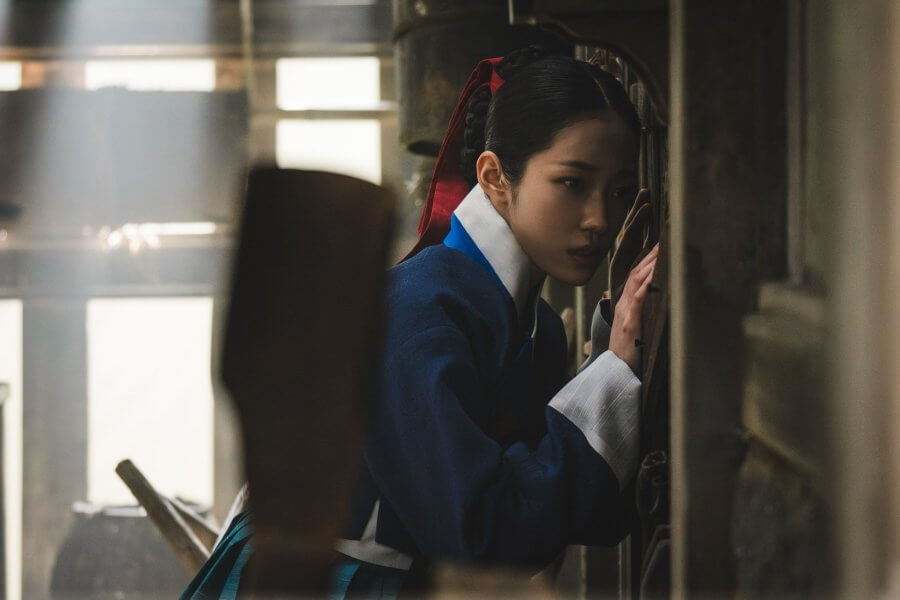
    There has been a lot of talk this year about who played the “Female General” character best, but the debate ends here. Li Qin as Fu Yi Xiao is the clear winner. She was sublime, fierce, and graceful, and carried herself with a dignity that was pure bliss to watch. Her moral journey, from a woman bound by loyalty to one willing to risk her heart for the truth, is the anchor of the show.

    On the other side, Chen Zhe Yuan‘s Feng Sui Ge is equally compelling as a prince shaped by vengeance who learns that power without compassion is just another cage. (Side note: In that one torture scene where she turns the tables on him, he seemed to be “thriving” in the pain a bit too much… the man was out there having the time of his life!)

    Visually Stunning (With a Filter Warning)

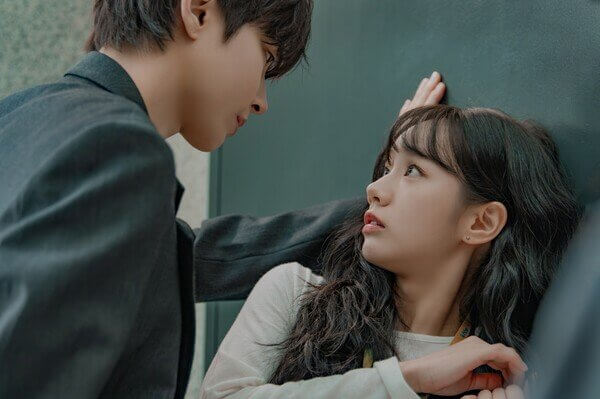
    Fated Hearts-episode-12-finale-Review

    Visually, the drama is a feast. The cinematography is careful and deliberate, and the Chinese historical wedding scenes are breathtaking; the colors and attire are peak aesthetic.

    However, I have to be honest: they overdid the face filter. At some points, Chen Zhe Yuan looked like he might literally melt if the sun hit him too directly. They really could have eased up on the digital smoothing to let the actors’ natural expressions shine through.

    The Good, The Bad, and The “Sword to the Stomach”

    The supporting cast was a mixed bag:

    • The Loyalty: Feng Sui Ge’s team was fantastic, utterly loyal until the end.
    • The Respect: The Second Prince of Susha earned my total respect. Despite being raised on lies, he chose what was right and stood by his brother. Chenyang for the win! 
    • The Disaster: Then there was the Princess of Susha. She was frustrated from start to finish. She lacked clear motives, made terrible choices for the wrong man, and eventually met her end at the tip of a sword from the very person she sacrificed everything for. She needed a knock on the head, not sympathy.

    Check Out: K-drama “Boyfriend on Demand” Review

    Thoughts after Finale

    I wanted to rate this a solid 9, but the finale held it back. After all that epic buildup, the ending felt like a small firework when I was expecting a grand explosion of a war.

    Moreover, the political resolution felt ridiculous. Putting the Princess, who showed zero intelligence or responsibility throughout the show, in charge of a country was a massive misstep by Feng Sui Ge. Chengyang showed far more leadership potential, and the ending felt shoehorned to fit a narrative that did not make too much sense. 

    Because of those two flaws, I’m settling on an 8. It’s an incredible, addictive watch that handles its leads better than almost any other historical drama this year, even if the ending didn’t quite hit the “epic” scale I craved.

    Drama Info & Ratings

    • Title: Fated Hearts (2025) 笑随歌
    • Episodes: 38
    • Genre:  Historical, Mystery, Romance
    • Cast: Li Qin, Chen Zhe Yuan, Xia Meng, Chen He Yi
    • Where to Watch:  iQiyi

    • Overall Score 8/10
    • Finale 5/10
    • The Leads’ Chemistry 9/10
    • Cinematography 8/10
    • Pacing: 8/10

  • The Art of Sarah Review: Shin Hye-sun’s Best Thriller Yet

    The Art of Sarah Review: Shin Hye-sun’s Best Thriller Yet

    The release of The Art of Sarah (initially called Lady Doir) has literally put me in a dilemma about what is even true anymore. This series is living rent-free in my mind, and rightfully so.

    If you are in search of a K-drama that feels like a psychological chess game in a five-star hotel suite, you’ve got the best taste, bestie. I must say that the marketing had nearly deluded me. I believed that I was heading to a glitzy “Chaebol-war” show with bags and catfights. I was so wrong. The series is certainly “luxury as a horror genre”.

    High-Fashion Fever Dream

    The Art of Sarah Review Shin Hye-sun

    This drama is entirely perfected in the atmosphere. It is slick, chilled, and terribly disturbing, as if you were wandering through an upscale gallery and you are certain that one of the paintings is a trap, yet it is so beautifully lit that you cannot get out.

    The name is not merely an allusion to luxury; it is a brilliant allegory of the “Perfect Fake”. The question in the show that made me stop my screen was, if a fake product is so perfect that even the professionals failed to detect it, does it finally become the truth? Sarah Kim (acted by the mesmerizing Shin Hye-sun, who is acting with her entire nervous system here) is not merely a woman with a strategy, but a master of the visual lie, she speaks the language of Dior and Hermes as a sort of shield to make her way in the world, where she has been digested and spat out in the past.

    The best thing about the premise here is that it takes identity as a performance. The “art” that Sarah is doing is to read the room and be what the elite needs her to be. It is always interesting to see how she uses this persona, not just the clothes, but the posture, the language used, and the frighteningly nonchalant manner she uses when caught.

    Lee Jun-hyuk, in the role of the tenacious Detective Park Mu-gyeong, is the ideal “grounding force” to Sarah and her sophisticated surface. Okay, now here at first I also shipped both of them because of their chemistry (which was electrifying), but it’s more than that. It is about what both of them represent. While Sarah is the “art”, Mu-Gyeong is the “critic”. He is the only person who does not see a brand when he looks at Sarah, but rather, a person. Their relationship is pure fire; it is a cat-and-mouse game where you will never be certain of who is what. He wants to see the human strand in a web of silk and leather, and to see him tugging at these loose ends is really gratifying. 

    The Main “Truth” (Major Spoilers)

    Kdrama-the-art-of-sarah-all-episodes-review

    The place where my brain melted. Ga-hui (Sarah) does not make any attempts to demonstrate that she is not guilty in the end. Rather, she is masquerading as Mi-jeong. She agrees to kill Sarah Kim. Why? Since, in the case of the death of Sarah Kim, the brand Boudoir remains pure, and the image of a real person. Only to safeguard the “legacy” that she had crafted, she made a decision of going to serve a 10-year prison term as a nobody.

    Check Out: Korean BL “The Story of Bi Hyeong”

    The “Slow Burn” Done Right

    To tell the truth, the first two episodes are some sort of a riddle. The show is non-linear, and that is why the structure may give you a sense of being disoriented, but trust the process. By episode 3, the claw sinks deep. It is slow, cynical, and a deliberate accumulation, which rewards us by following through to the little details, to which you have to look at the way a bag is carried, linger in a mirror, and a ‘thank you’ mumbled in low tones. It is a slow burn, but it is one of those luxurious ones!

    It is a must-watch, and no, I am totally not biased towards Shin Hye-Sun. I binged the entire show in one afternoon and did not regret a single second of it.

    The Art of Sarah is a work of art in psychological suspense. It does not have to be exploding or supernaturally fallen to keep you on the edge of your seat; it only needs to be the horrifying truth of how easily we can all be duped into believing something so beautiful to be a sunset of lies.

    It is intelligent, it is cool, and it will make you see the luxury brands differently. You have to start watching this tonight if you are fond of dramas of class war, secret identity, and the dark side of living your best life. Trust me— once the “art” is revealed, you will never look at a luxury store the same way again. Seriously, just go watch the first episode. 

    Drama Info & Ratings

    • Title: The Art of Sarah / Lady Doir (레이디 두아)
    • Episodes: 8
    • Genre: Thriller, Crime, Psychological, Drama
    • Cast: Shin Hye-sun, Lee Joon-hyuk, Kim Jae-won, Jung Da-bin
    • Where to Watch: Netflix, Disney+

    • Overall Score 9/10 (Limited Edition Charms)
    • Story 9/10
    • Acting 10/10
    • Cinematography 9/10
    • Fashion/Aesthetic 10/10

  • Still Shining First Impressions: GOT7 Jinyoung’s New K-Drama

    Still Shining First Impressions: GOT7 Jinyoung’s New K-Drama

    Remember how Our Beloved Summer made you think about those first loves that never really leave you? Still Shining (샤이닝), which just dropped this week, gives off a very similar vibe. Because of that comparison, I’ll admit I was a bit hesitant to start it and had zero expectations, especially since idol actors can sometimes be a hit or miss. But Park Jin-young (yeah, GOT7’s Jinyoung) and Kim Min-ju (ex-IZ*ONE) are genuinely holding their own and making the story feel natural on screen.

    Kdrama Still Shining review

    The Drama Begins With

    The show opens in the sticky heat of summer 2014, when Yeon Tae-seo (Park Jin-young) leaves Seoul behind and moves to his grandparents’ quiet countryside town. He’s not there by choice as his younger brother is injured, and after their parent’s death, Tae-seo suddenly finds himself carrying responsibilities far beyond his age. Between looking after his brother, helping his grandparents, and pushing himself to study harder, he’s trying to hold everything together and build a better future.

    The school library is the only place Tae-seo really feels free. That’s where he bumps into Mo Eun-a (Kim Min-ju), who is loud, talkative, and full of life, basically, everything Tae-seo isn’t. But beneath their different personalities, both of them are carrying their own burdens. Tae-seo feels the pressure of his family’s future on his shoulders, while Eun-a is always looking out for her father, who is struggling with his own battles. As the days go by, they start spending more time together by studying in the library, racing their bicycles, and teasing each other. And somewhere along the way, all those little moments begin to mean something more, and slowly, they start falling for each other.

    From Distance to Confession

    Still Shining-Jinyoung & Kim Min-ju

    [SPOILER] By the end of episode 1, Tae-so finally goes to the doctor about his hearing problems. Turns out, they’re caused by stress and started after his parents’ accident. Once he gets the news, he just feels even more alone, so he calls Eun-a. But when he does, she calls him out for being rude and distant. That’s when it hits him that he messed up. He rushes over to the train station where Eun-a’s waiting. He finds her by the Han River, and together they catch the train home. On the ride, they actually talk, really talk, about how they feel and how being together makes things a little easier. Eun-a says they should stick together forever, and Tae-seo says yes. The episode wraps up with Tae-seo holding Eun-a’s hand as they’re starting to date now!! [SPOILER END]

    Love, Exams, and Life Changes

    Episode 2 of Still Shining begins with the students preparing for their upcoming PSAT exams. The next morning, before heading into the exam hall, Eun-a gives Tae-seo her scarf for good luck, while Tae-seo gives Eun-a his nametag to keep with her during the test. As the episode goes on, the two always find a way to meet and spend time together, even if it means traveling just to see each other for a short while. At the same time, Eun-a is quietly dealing with something personal, as she finds out that her dad is getting remarried, which hits her pretty hard and just adds to everything else she’s feeling.

    Check Out: K-drama “Boyfriend on Demand” Review

    What’s Really Working for Me

    The chemistry between these two just clicks. Nothing feels forced – it’s like their paths were always supposed to cross again. And the nostalgia hits in all the right ways. Those flashbacks actually matter,as they give the story more weight and help you get why their past still shapes them. When the story jumps to the present, Tae-seo and Eun-ah as adults feel real, like they’re just older versions of the kids you already know. Nobody suddenly turns into some big-shot CEO or has a wild glow-up – they’re just regular people figuring things out, and you can really feel what’s missing for them. Visually, the show’s got style. The warm countryside summers and hectic city subways clash in a way that really shows how much their lives have changed, even if those old feelings are still hanging on.

    What Comes Next?

    Right now, Still Shining feels like this quiet, emotional look at timing, memories, and how some people just stay with you. The slow pace actually helps; it gives the characters space to breathe and lets their emotions land. I’m definitely curious about the side characters, especially Bae Seong-chan (Shin Jae-ha). Is he going to keep playing the loyal friend, or will he step into that classic second-lead spot and break a few hearts? Guess we’ll find out soon enough.

    Drama Info & Ratings

    • Title:  Still Shining
    • Episodes: 2 (as of this review)
    • Total Episodes: 10
    • Genre: romantic melodrama, slice of life, youth drama, slow-burn
    • Cast: Jinyoung, Kim Min-ju, Shin Jae-ha, Park Se-hyun
    • Where to Watch: Netflix

    Overall Score: 9/10

    • Story: 9/10
    • Chemistry: 8.5/10
    • Acting: 8/10

  • Boyfriend on Demand Review: Jisoo and Seo In-guk on Netflix

    Boyfriend on Demand Review: Jisoo and Seo In-guk on Netflix

    Did your subscription service walk into the office as well? Because this is what happened in Netflix’s newest kdrama that has my heart on hold. Boyfriend on Demand has recently been released, and I am already shivering at the frequency that only a real K-drama fan knows. Think about having your dream man or “boyfriend material” Pinterest board actualize, only to begin talking back at you. This 10-episode ride is a neon-filled, high-energy nightmare at the workplace that I basically inhaled in a single sitting.

    Buffet of Absolute Snacks

    The K-drama involves the story of a webtoon producer, Seo Mi-rae (Jisoo), who is the human incarnation of a “low battery.” She works too much, is not caffeinated enough, and her heart is hungover and in tatters. She is offered a targeted advertisement for “Boyfriend on Demand” in an instance of pure and relatable weakness, an expensive VR service that claims to offer the best romantic experience.

    Boyfriend on Demand Review-Jisoo-seokangjoon
    Image Credit: Netflix

    Mi-rae plunges into this cyber feast and guys, the CAMEOS! My jaw was on the floor. Lee Soo-hyuk as the rich, mysterious CEO, Lee Jae-wook as the handsome, possessive doctor, and most importantly….drumrolls SEO KANG-JOON IS BACKKK as the charming, dreamy guy you have this super big crush in college who is perfect in every aspect, and you meet him again after ten years as a chance encounter (which is literally what happened). These men are programmed to be perfect. They respond to each of the fancies of Mi-rae with a scripted perfectness. By episode 2, I was screaming.

    As if in a pure fanservice way, we also see Wanna One’s Ong Seong-Wu as one of the handsome secret agents trying to take down terrorists mid-flight, Kim Young-Dae from Extraordinary You stops by to play a lovestruck Joseon era boyfriend, Lee Sang-Yi from Hometown Cha Cha Cha played a hot firefighter, and most importantly, Jay Park had a cameo as himself! Talk about a golden tier subscription, Jay Park performing for you in a virtual concert as your boyfriend. 

    The actual chaos starts with the glitching of the algorithm. Mi-rae resolves to create her own tailor-made boyfriend. She throws her secret ambitions on the avatar, a man who is grumpy, but soft, competitive, yet protective, and devastatingly handsome. The AI, Gu Yeong-il, is a replica of her real-life work competitor, Park Kyeong-nam (Seo In-guk).

    Seo In-guk is a Menace (In the Best Way)

    Boyfriend on Demand Review-Jisoo-Seo-in-guk

    Can we talk about Seo In-guk? This man is the master of “micro-intensity” performance. Here, he has a dual role to play, and in fact, the duality is killing me. One moment, he is the perfect AI embodiment (Yeong-il) — a jovial man who always says the right thing. The second one is the stoic, coffee-obsessed, real-world Kyeong-nam who resembles someone who would like to fight a printer.

    The contrast is hilarious. His smoldering gaze game is at an all-time career high. He does not simply see Mi-rae; he looks inside her soul. I need some cold showers and a new data plan.

    The Jisoo Dilemma

    Being a fan, I wanted this to be her “mic drop” moment with our Chu like the Snowdrop years. Seo Mi-rae is charismatic on paper. She gets rid of the ‘Dior Princess’ brand and adopts the appearance of a disheveled, overworked woman who puts on the wrong socks and yells at her computer. She has surprisingly acute physical comedy.

    However, I must keep it real with my fellow fans. Her performance is yet to achieve the next level. She has a stiffness in her dialogue that makes it seem like she is reading lines, not living them.

    Although undoubtedly a very attractive person, she tends to fall back on the same three facial expressions. The feeling is superficial when she is meant to be heartbroken. Her acting is somewhat stifled compared to the natural touch of Seo In-guk. She fits the adorkable scenes, but fails to support the more weighty emotional scenes that the script needs. It is sad to say it, but the difference in ability is difficult to overlook for me when she is standing next to such a heavyweight as In-guk.

    Moving on, the show is lent soul by the supporting cast. Gong Min-jung stars as webtoon artist Yoon Sung, and she is a literal chaos mascot. She conveys every line with worse than sleep-deprivation vigor. The subplot of her personal Monthly Boyfriend experiences is pure gold. She is a symbol of the sloppy, hysterical fan within us.

    Next, we can have Yoo In-na as the virtual dating manager. Can we pleaseee talk about meta-casting here? She is more or less repeating her role in Bo-ra! Deborah and yet techno-digital. She is sexy, classy, and has the typical rom-com queen voice. She is literally repeating our dating coach act and advising us wittily as she upsells Mi-rae to the Gold Tier dating package. The moment of seeing her in that red oversized jacket and black veil was the best part of Episode 1. She mediates between online fantasy and the hard reality.

    Check Out: K-drama “The Art of Sarah” Review

    Subscribe to the Eye Candy, Stay for the Chaos

    Boyfriend on Demand is a win-win: a high-end, glossy, and high-production K-drama on Netflix. It approaches the love-based subscription economy with a sense of humor and true existential fear. The emotional honesty of loneliness makes the app resonate even though the technical realism is practically non-existent.

    So if you are a fan of Blackpink’s Jisoo and want to watch her struggling to maintain a workplace balance, this needs to be on your watchlist. The cameos are the side dishes which complete the meal, but the main course is the electric chemistry between the leads. It is a drama that a person should watch as long as they have felt that the phone is their only companion.

    Drama info & Ratings

    • Native Title: 월간남친
    • Also Known As: Monthly Boyfriend, My Monthly Boyfriend, Wolgannamchin
    • Director: Kim Jung Shik
    • Number of episodes: 10
    • Genres: Comedy, Romance, Fantasy
    • Cast: Jisoo, Seo In-Guk, Go Min-Jung, Ha Young, Jo Han-Chul, Kim Sung-Cheol, Lee Su-Hyun, Seo Kang-Jun, Jay Park, Yoo In-Na
    • Where to Watch: Netflix 

    • Overall Score: 6.5/10
    • Chemistry: 9/10 (Seo In-guk is doing the heavy lifting!)
    • Dating Coach Vibes: 10/10
    • Rewatch Value: 6/10 (just for the Seo Kang-joon cameo)

  • The Practical Guide to Love: Episodes 1–2 Review (Spoiler-Free)

    The Practical Guide to Love: Episodes 1–2 Review (Spoiler-Free)

    So, I just wrapped up the first 2 episodes of The Practical Guide to Love or Efficient Matchmaking for Unmarried Men and Women, if you want the full mouthful. It’s JTBC’s new weekend rom-com that showed up at the end of February 2026, and honestly, I didn’t expect to get this invested this fast. We’re talking about that sneaky kind of hooked, where you catch yourself grinning at your laptop and then have to explain to your roommate that no, you’re not texting anyone, you’re just watching TV.

    Meet the Female Lead: Lee Ui-yeong

    The-Practical-Guide-to-Love-episode1-review

    Lee Ui-yeong (Han Ji-min) is sharp and no-nonsense, running the purchasing department for a high-end hotel chain. She’s got the kind of life you’d envy on paper: bills sorted, killer wardrobe, climbing the ladder. But when it comes to love, it’s like she left the document open and forgot to hit save. Every setup has been a letdown, and that one office crush? Total flop. So, she’s done waiting around for fate to throw her a bone. She treats dating like a work project now: blind dates are scheduled with military precision, and there’s a clear goal to find someone who’s actually ready for marriage. No more wasted time.

    Why Lee Ui-yeong Feels So Relatable

    What makes Ui-yeong stand out is how real she feels. She isn’t some over-the-top, quirky main character. She’s practical, a little wary, and honestly, kind of tired of being let down. Her mom’s always there in the background, gently (or not-so-gently) nudging her to settle down, but it doesn’t get all heavy and melodramatic. It’s more like that low-level hum of anxiety a lot of us feel, Am I being too picky? Did I miss my window? Is it just me?

    The Love Triangle: Song Tae-seop (The Steady One)

    The Practical Guide to Love Ep1-2 Review

    And then you meet the two guys’ classic love triangle, but they actually pull it off.

    First, there’s Song Tae-seop (Park Sung-hoon). He’s a furniture designer, runs his own woodshop, and has gentle eyes and a calming energy. The sort of guy who seems like he could actually stick around for the long haul. On their first blind date, he just comes right out and asks, “Are you dating with marriage in mind?” Ui-yeong’s thrown off. Who actually says that out loud? Most people tiptoe around that for months. But he’s just straightforward, no games. It’s almost shocking in a good way. Park Sung-hoon nails the role, too; he’s quiet, but there’s this intensity under the surface. He’s not passive; he’s just sure. Makes you wonder if “steady” can be as exciting as “swoon.”

    The Love Triangle: Shin Ji-su (The Chaotic Spark)

    Then there’s Shin Ji-su (Lee Ki-taek), the younger, unpredictable one. He’s an actor still hustling for his big break, bursting with energy and just a little chaotic. His entrance is a mess. He shows up pretending to be someone else (classic drama move), but it’s played for laughs, not drama. And when he finally drops the act, he’s all charm and spontaneity. Not the guy you’d put on a “husband material” checklist, but he makes Ui-yeong laugh, makes her feel seen, and brings back that fluttery feeling she thought she’d grown out of.

    How the Show Handles the Tension

    What really works about these episodes is how the show handles the tension between the three of them. There are no wild jealousy or over-the-top love triangle antics yet. Ui-yeong isn’t bouncing back and forth in a soap opera way; she’s just quietly trying to figure out what she actually wants. Does she go for the stable, quietly devoted guy or the spark and unpredictability? The show leans into the reality of being an adult, work stress, old baggage, and the fear of giving up your independence. Even the blind dates feel different. They’re awkward, sure, but not in a cringe way, more like, “Okay, let’s get down to business.” It’s kind of a refreshing drama.

    Visually, it’s got that cozy vibe, warm lighting, inviting cafes, Ui-yeong’s sleek office, and Tae-seop’s workshop with sunlight and sawdust everywhere. The pace is slow in a good way, never drags, just lets you settle in. Han Ji-min is fantastic at the little stuff: her microexpressions, a smile that sneaks in, and the way her shoulders shift depending on who she’s with.

    After two episodes, I have no idea who she’ll end up with. And honestly, I kind of like it that way. Both actors are great, and the show isn’t hurrying us to pick a side. Instead, it’s asking real questions: What does practical love even look like when you’re not in your twenties anymore? Can you plan your way into a relationship, or do feelings always make a mess of things? And is it okay if the best answer isn’t the one that looks perfect on paper?

    Check Out: Korean BL “The Story of Bi Hyeong”

    The Verdict So Far

    The Practical Guide to Love somehow hits that perfect balance between real life and romance. It’s mature, but never preachy. It’s funny, but not in a way that feels forced or goofy. I’ve only watched two episodes, and honestly, it’s already got me thinking about my own dating history-plus, it gives me that soft, fluttery feeling that makes you want to keep watching. If more K-dramas took this honest, grown-up look at love, I think we’d all be a little better off. With just episodes 1 and 2, there’s already a solid start, and yeah, I’m actually excited to see where Ui-yeong’s story goes from here.

    Looking for a rom-com that feels grown-up but still manages to sweep you off your feet? No wild antics, just genuine warmth and charm? The Practical Guide to Love is exactly what you’re after. It’s only the beginning, but I’m already counting down to my next weekend with it.

    My Rating So Far: 8/10

  • Girl From Nowhere Season 3: Theories & Recap Before The Reset

    Girl From Nowhere Season 3: Theories & Recap Before The Reset

    The wait for Girl From Nowhere Season 3 felt like foreverrrrrr. But finally, I am ready and seated for the Season 3 premiere of Girl from Nowhere on March 7, 2026.  This Thai anthology series has totally changed our perception of psychological horror. We are yet to recover the crushing conclusion of Season 2. Nanno, our favourite creature of vengeance, apparently found her rival– or her masterpiece. The show’s scenery has changed radically. We have to discuss what has happened and, more importantly, what is about to happen in the much-anticipated next chapter.

    The Karma Collector Arrives: Season 1 Recap

    Remember when Nanno first appeared? She was a force of nature. Season 1 defined the formula of her own brand of chaos. Nanno, who is played with chilling perfection by Chicha “Kitty” Amatayakul, is not a human being. She is an entity. She is karma in person, a catalyst that is meant to show and expose human depravity.

    With each episode, Nanno comes to a new school. She attacks the sinful, hypocritical, and the mean. These are not just bullies; they are kids who are barbaric, who are disguised under a curtain of teenage angst. The first season was rather predictable: Nanno tempts the guilty, provides them with an opportunity to develop their misconduct, and then brings a frightening form of poetic justice.

    Such episodes as “Apologies” demonstrated to us a vicious cycle of violence. “The Ugly Truth” shed a bright light on the complicity of an entire school in the case of a teacher’s misuse of power. In all situations, Nanno exposed the corruption under the facade. She became the unshifting thing and the irresistible power. She delivered a bloody revenge that society could not overlook.

    Enter Yuri & The Systemic Failure: Season 2 Recap

    Girl-from-nowhere-nanno-chicha-amatayakul

    Season 2 changed everything. The appearance of Yuri (Chanya McClory) completely changed the usual formula. Yuri, another former victim who accidentally drank the blood of Nanno, became her own immortal and had similar powers. This was a direct threat to Nanno’s power and authority.

    This season was much more complex and dark. It did not just stop at acts of cruelty as an individual but addressed the system. In “True Love”, there was a “woke” homophobic private school. The toxic fame and class immunity were brilliantly criticized in “Minnie and the Four Stars”. The show was no longer a punishment show; it was a show about how society had been failing to offer security to the weak and vulnerable.

    The conflict between Nanno and Yuri turned into the central plot force. Yuri is someone who believes in retributive justice in the here and now. She tries to eliminate her wrongdoers and get on with her life. Nanno, in his turn, focuses on the long-term pain and mental torture. She then makes her victims live through what they have done, and this forms a cycle of hell.

    This philosophical struggle had a heartbreaking end, “The Judgment”. We have Nanno doubting herself. She could not find guilt in the last target. Her pity, or even her weariness, cost her. Nanno was cruelly killed by Yuri, who was on the side of the newly empowered Junko.

    We saw Nanno bleed to death on the floor of her “Judgment Room.” This was a definitive loss. Yuri proclaimed herself to be a supreme sovereign who was willing to administer absolute justice. Girl From Nowhere Season 2 was not a happy ending; it was the end of Nanno that we had known her to be.

    Check Out: BL School Trip: Joined a Group Review

    Fan Theories: The Nanno Reset and Yuri Facing Her Final Hours

    Fans across the world went crazy at the end of the season. Fans were coming up with theories of Nanno’s survival and how there must be a reset in Season 3. There are mixed opinions among the reviewers as to whether Nanno seemed to be dead or whether she was on a strategic withdrawal.

    The “Phoenix” Hypothesis is one of the most outstanding theories. This implies that the demise of Nanno was an inevitable change. Being a God or some supernatural being, she cannot be actually killed by human or semi-human hands (as the hands of Yuri). Her demise in Season 2 was a loss of her old self. Season 3 will also probably involve Nanno 2.0: stronger, faster, and maybe, much crueler. Her weakness was her newfound empathy, and her rebirth will remove that vulnerability. This form of Nanno will blow the rules and destroy Yuri with frightening ease.

    The second theory that is popular is the “Matryoshka Doll” Theory. It is speculated that Nanno wanted to make Yuri feel that she had won. Nanno is a creator of psychological terror. The final long con is to allow Yuri to win. Nanno has been able to lay the final trap by giving Yuri the illusion of control. Yuri is currently at a disadvantage since she believes that she is unassailable. Season 3 will be a gradual, procedural unraveling of the fact that Yuri has been a part of Nanno playing out her greater game. Her triumph was an act of pretence, and her downfall will be disastrous.

    The other interesting theory is about the Blood of Nanno. This was the final scene with Junko, who was given the blood of Nanno. According to “The Blood War” theory, Season 3 is going to examine this corruption. The nature of Nanno is karma, though when left in the hands of man it can be pure corruption. Junko and Yuri will not bring justice; they will cause tyrannical anarchy. The world will have become disheveled to the extent that Nanno has to resurface, but not as a punisher, but as the sole power that can restore the natural order of karma.

    The New Face of Karma: Season 3 Cast

    The largest surprise out of the Season 3 announcement was the cast list, rather than the plot. Netflix and the producers have chosen a so-called “The Reset” strategy, where people will be replacing our beloved and hated faces with a new generation of mayhem.

    Rebecca “Becky” Armstrong (Nanno): Becky Armstrong replaces the legendary character in Thai drama history, the role of Nanno. Armstrong is known to have had a colossal success with the Girls Love (GL) scene with “Gap: the Series” as well, and hence has a major task ahead. She is playing a continuation of the Nanno of Kitty Chicha, but a new incarnation of the being in a parallel universe. The fans are ruthlessly split as some of them raise the question if she can reproduce that trademark, bone-chilling cackle.

    The New Face of Girl from nowhere Season 3 Cast-Becky Armstrong

    The Original Leads (Kitty Chicha and Chanya McClory): At the moment, the original Nanno and Yuri do not appear in the list of main cast. Even Chanya McClory went to Instagram to confirm she has not been informed of a reunion, effectively freezing the Yuri vs. Nanno confrontation. Nevertheless, rumors about the appearance of the multiverse continue to exist. The official Facebook page gave a coded hint and asked the fan base a question, ‘Who said they are not coming back?’, leaving an opening to a surprise appearance.

    Girl From Nowhere Season 3: The Reset Cast

    The Guest Stars: In the same vein of the tradition of the anthology, the episode has new victims. Although the entire list of students and teachers remains undisclosed, the casting of the production has enlisted six heavyweight directors to make sure that each new face on the screen is stretched to their furthest psychological extreme.

    Other notable cast members include Pokpong Pairach Khumwan, Dom Sitisiri Mongkolsiri, O Patha Thongpan, Karn Sivaroj Kongsakul, and Ek Eakasit Thairaat, among others. 

    Such a casting change proves that Girl From Nowhere is not about a single girl anymore; it is about the concept of Nanno. The largest gamble in the series is whether Becky Armstrong will manage to make us believe that she is the same daughter of the devil.

    Anticipation and High Stakes

    Season 3 has expectations higher than ever. The performance of Kitty Amatayakul is praised by the fans, who call Nanno “iconic and chilling”. The critics praise the show for its ability to confront delicate topics in society with no hesitation. The Yuri insertion is also controversial, as some fans are delighted by the complicated relationship, whereas others miss the innocent Nanno-only anthology.

    Whatever the dynamic, all will agree on this point, which is that Girl From Nowhere cannot conclude with the triumph of Yuri. The identity of the show requires the system of justice practiced by Nanno. The following season should be concerned with the coming of Nanno and the final restoration of the karma balance.

    Nanno is not a character, but rather a concept. This is something we must all witness in the way karma retaliates when it has been seemingly killed. Season 3 is set to be the darkest and most intricate season to date, and we are all the way there. Get ready to see the girl from nowhere back home. Yuri should enjoy her reign while it lasts.

    The Reset is here. Watch the official trailer!

  • The Story of Bi Hyeong: Supernatural Korean BL Review (2025)

    The Story of Bi Hyeong: Supernatural Korean BL Review (2025)

    Skip this one if you’re in the mood for something intense, dramatic, or emotionally draining. The Story of Bi Hyeong is the definition of an “easy breezy” watch. It’s a Korean BL (Boys’ Love) that mixes urban fantasy with traditional folklore, and honestly? It’s just plain fun. In a sea of dramas that try too hard to be “gritty” or “transformative,” this one is content being a cutesy supernatural romp, and that’s exactly why it works.

    A Refreshing Take on Korean Folklore

    Here’s the thing: I’ve watched a bajillion K-dramas at this point, so I’m pretty used to seeing Gumiho (nine-tailed foxes) and Goblins popping up in modern Seoul. But if you aren’t familiar with the basics of Korean myths, this show might feel a little fast at first. It doesn’t hold your hand for very long. It drops you right into a world where mythical beings live among us, often hiding in plain sight.

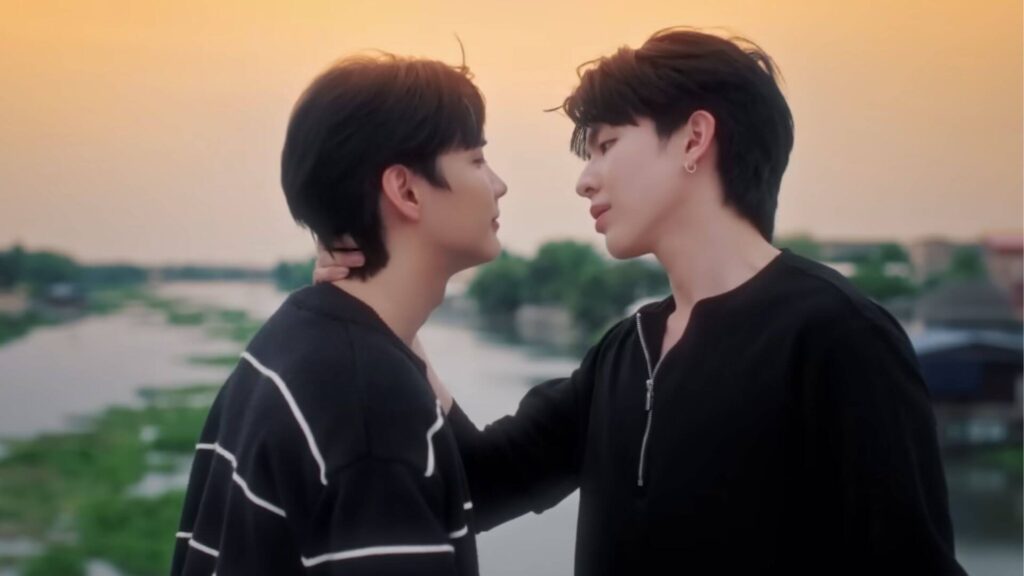
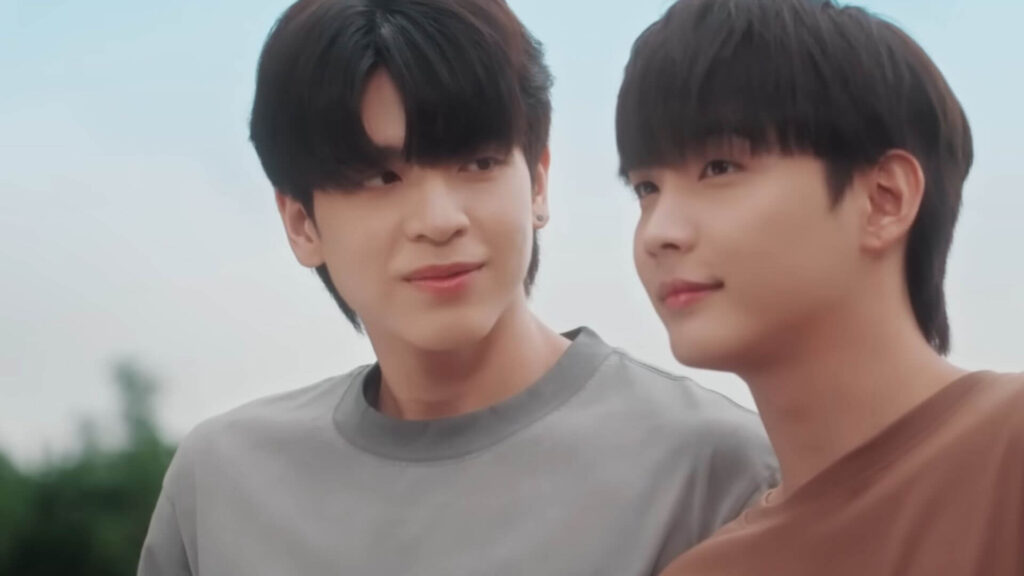
    The show does a great job of incorporating these folklore elements without making it feel like a history lesson. We get to see the classic “Dokkaebi” (goblin) traits, but with a modern twist. I loved seeing how these ancient beings navigate things like plastic surgery clinics and homelessness in the city. It’s a clever way to keep the fantasy grounded.

    The Plot: No Harem, No Problem

    At first, I was a little worried. The setup initially felt like it might turn into a “BL harem” show, with three different supernatural love interests all fighting over the male lead. Personally? Those are not my jam. They usually feel messy and forced.

    Thankfully, the show avoids that trap. It’s pretty clear from the jump how the pairings are going to end up. The story follows Geum Bok, a naive village boy who comes to the city to be an actor but gets scammed and ends up living with Bi Hyeong, a 1,000-year-old goblin who is cynical, sarcastic, and constantly irritated by… well, everything.

    The “forced cohabitation” trope is a staple for a reason—it’s great for building tension. Watching Geum Bok’s wide-eyed optimism clash with Bi Hyeong’s “I’ve seen it all” attitude provided some of the best comedic moments in the series.

    The Characters: Charm Over “Oscar” Acting

    The Story of Bi Hyeong Korean BL Review
    Image Credit: Gagaoolala

    Let’s be real: the acting here isn’t exactly “prestige TV” level, but it doesn’t need to be. The story is lighthearted, and the leads do a solid job of conveying exactly who their characters are.

    • Geum Bok (Lee Cha Min): He brings so much natural charm and naivety to the role. You really believe he’s just a sweet kid who got in over his head.
    • Bi Hyeong (Hwang Jae Wook): He nails the “grumpy old man in a young body” vibe. He spends 90% of the show looking annoyed, but those rare smiles he reserves for Geum Bok (and the audience) are what keep you watching.
    • The Skinship: I have to give a shoutout to the production team here. Korean BLs are finally starting to embrace genuine skinship. Geum Bok and Bi Hyeong share a really good, passionate kiss that feels earned. It wasn’t one of those “accidental lip-presses” that look painful; it felt like a real romantic moment.

    The Standout: Samshin Halmeoni

    I have to talk about Halmeoni. She is a minor goddess who appears in the body of a schoolgirl, and she was easily my favorite part of the whole show. She acts as the voice of reason, dropping pearls of wisdom and trying to sort out the chaotic shenanigans of the goblins, foxes, and ghosts.

    Female characters in BL dramas often feel like afterthoughts or “obstacles” for the main couple. But Halmeoni actually shines. She’s funny, wise, and has a presence that demands attention whenever she’s on screen. Seeing a “minor goddess” deal with the ego of a 1,000-year-old goblin was a highlight for me.

    Final Thoughts: A Low-Stress Binge

    Is the plot perfect? No. Some of the supernatural “rules” are a bit fuzzy, and the pacing in the middle episodes can feel a little rushed. But the show never takes itself too seriously, which makes it very easy to forgive its flaws.

    If you want a show that feels like a warm hug, with a side of ghosts and grumpy goblins, The Story of Bi Hyeong is a great choice. It’s a fun, easy watch that I’d recommend to anyone who just wants to turn their brain off and enjoy a cute story.

    Drama Info & Ratings

    • Title: The Story of Bi Hyeong: Enchanted Master of the Goblin
    • Episodes: 12
    • Genre: Supernatural, Romance, BL
    • Cast: Hwang Jae Wook, Lee Cha Min, Kang Chan Woo, Nam Taek Jun
    • Where to Watch: iQIYI, GagaOOLala

    • Overall Score: 8/10
    • Story: 7.5/10
    • Chemistry: 9/10
    • Acting: 7.5/10
    • Rewatch Value: 8/10

    Check Out: Japanese BL “School Trip: Joined a Group” Review

  • Japanese BL “Love Begins in the World of If” Review (2025)

    Japanese BL “Love Begins in the World of If” Review (2025)

    Ever had one of those days where you just wish you could wake up as a different person? Not a superhero or a billionaire, just a version of yourself that doesn’t freeze up in meetings or overthink a “hello” to a coworker? That’s exactly the headspace Love Begins in the World of If (If no Sekai de Koi ga Hajimaru) taps into.

    When I first read the synopsis, I thought I was in for a standard parallel-timeline love story. You know the drill: guy meets magic, guy finds a “better” world, guy falls in love. But after finishing all six episodes, I realized the show is actually asking a much ruder, much more valid question: What if your life isn’t stagnant because the world is against you, but because you’ve stopped trying?

    The Plot: The “What If” Mirror

    The story follows Kano Akihito (Kotaro Daigo), a guy who is basically emotionally boxed in. He’s a former tech engineer who got moved to the sales department, and he’s struggling. Hard. He isn’t unlikeable, but he’s incredibly passive. He lets life happen to him rather than stepping into it.

    His foil is Ogami Seiji (Daisuke Nakagawa), the “ace” of the sales team who is everything Kano isn’t: confident, charming, and expressive. After a particularly rough day and a blow-up with Ogami, Kano wanders into a shrine and finds a mirror that promises to show him the person he wishes to become.

    Suddenly, he’s in a “Utopia.” In this new world, Kano is confident, his coworkers actually like him, and Ogami, the guy he’s been admiring from a distance, is looking at him with an intensity that is definitely not “just colleagues.”

    The “Ideal” Self vs. Reality

    What I loved about how this “upgrade” was handled is that it wasn’t just magic making things better. It showed that even in a “perfect” world, unless you reset your habits, everything eventually feels the same. Kano realizes that the reason everyone is nicer to him in the parallel world isn’t that they changed—it’s because he changed. He was more open, so they were more open.

    It’s a refreshing take. Usually, in these types of shows, the lead is rewarded just for enduring hardship. Here, the story argues that you have to notice yourself and actually prioritize your own growth. Frustratingly, growth requires effort, and the drama doesn’t shy away from showing how uncomfortable that is for someone like Kano.

    The Leads: Chemistry and Height Gaps
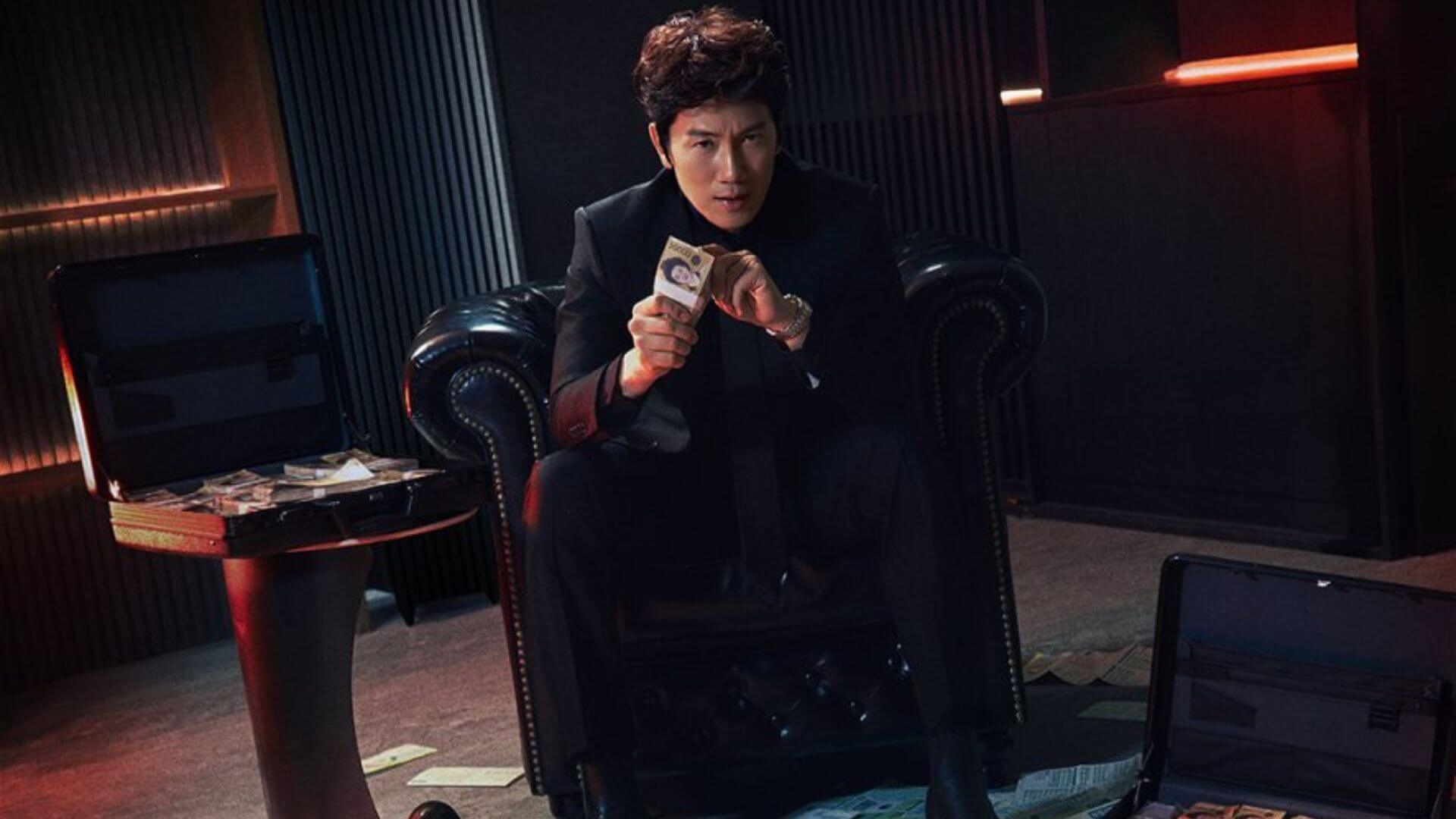
    Love Begins in the World of If Review

    Let’s talk about the actors, because they really carried the emotional weight here.

    • Kotaro Daigo (Kano): He’s great at playing “exhausted.” You can see the burnout in his eyes in the early episodes. When he transitions to the more confident version of himself, it’s subtle but effective.
    • Daisuke Nakagawa (Ogami): First off, the height difference between these two is massive and, quite frankly, adorable. Ogami is interesting because we don’t get much of his POV, but you can tell he’s observant. He isn’t a “savior” character; he doesn’t try to “fix” Kano. He just nudges him when he needs it.

    The romance itself is quiet. If you’re looking for a loud, fiery, “can’t keep our hands off each other” type of BL, this isn’t it. The tension comes from emotional hesitation, which felt surprisingly real. They have good chemistry, but it’s built on small moments—a look, a shared drink, a hand squeeze.

    But here’s the problem…

    As much as I enjoyed the vibe, the show really could have used two more episodes. At only six episodes (around 25 minutes each), the pacing feels like it’s constantly racing against the clock.

    • The Pacing: Some of the reflection scenes are beautiful, but others feel like they happen in fast-forward.
    • The Ending: The finale feels a bit too convenient. After all that build-up about internal change, the resolution with the romance felt rushed.
    • The “Bland” Factor: Because they were rushing to the finish line, the intimate scenes—especially the kisses—felt a little lackluster. They didn’t have that “fiery” spark that the middle of the show promised.

    Lighting and Music

    I have to give a shout-out to the production. The cinematography actually helps tell the story. The “real” world is shot in cold, clinical blues and greys, while the “parallel” world feels warmer and more inviting. It’s a simple trick, but it really elevates the watching experience. Also, the opening OST is a total bop—I didn’t skip it once.

    Worth the Watch?

    Overall, Love Begins in the World of If is a thoughtful watch. Maybe I went too far down the philosophical rabbit hole because I found Kano’s struggles so relatable, but I think most people will find something to like here.

    It won’t drown you in melodrama or spoon-feed you fluff. Instead, it lets you sit with the uncomfortable fact that sometimes the only way out of your misery is an internal change. It isn’t a life-altering masterpiece, but it’s a surprisingly reflective show that’s perfect for a weekend binge.

    Drama Info & Ratings

    • Title: Love Begins in the World of If (2025)
    • Episodes: 6
    • Genre: Romance, Fantasy
    • Main Cast: Daigo Kotaro, Nakagawa Daisuke
    • Where to Watch: Viki

    • Overall Score 8/10
    • Story 8/10
    • Chemistry 7/10
    • Cinematography 9/10
    • Rewatch Value: 6/10

    Check Out: Japanese BL “BL School Trip: Joined a Group” Review

  • Japanese BL “School Trip: Joined a Group I’m Not Close To” Review

    Japanese BL “School Trip: Joined a Group I’m Not Close To” Review

    Because I’ve been hanging around the J-BL scene for a while, I know that Japan has a very specific way of doing high school romances. They are usually either incredibly angsty or so sweet they’ll give you a cavity.

    School Trip: Joined a Group I’m Not Close To (Shugakuryoko de Nakayokunai Group ni Hairimashita) sits firmly in the “sweet” category, but with a surprising amount of heart and a lead couple that actually knows how to communicate.

    What immediately works here is the focus on a single main couple. I’m not against series with secondary couples, but giving the story this tight focus allows the emotions between Watarai and Hioki to fully breathe. The plot itself is simple—probably the most cliché out of clichés—but that simplicity is exactly why it works. It’s not a story that feels deeply personal, yet it hits in a strange, nostalgic way. 

    The Leads: A Masterclass in Eye Contact

    Joined a Group I’m Not Close To Review

    The performances elevate this straightforward story immensely. Fujimoto Kodai (as Hioki) carries his role with a natural ease that is impressive for his age. He’s shy, sure, but he’s also surprisingly direct. He asks what’s on his mind and isn’t wishy-washy at all, which is so refreshing for a “loner” character. I only wish his scream in that one scene was much, much longer—I was dying!

    Then we have Hideyoshi Kan as Watarai. This man’s eyes deserve their own acting credit. The intensity in his gaze, his patience, and the way he looks at Hioki communicate more than a ten-minute monologue ever could. Watarai plays the “cool guy,” but he’s clearly just as shy underneath it all, covering it up with that princely aura. Watching them grow together until Hioki eventually becomes the “leading man” in the finale was just perfect.

    The Reality of Teenage Love

    Watarai’s characterization isn’t flawless, though. His possessiveness occasionally gave me the “ick,” to be honest. But that imperfection is actually what makes him believable. Teenage love is messy, intense, and often a little too much. The show embraces that rather than sanitizing him into a “perfect boy” stereotype.

    I also appreciated the supporting cast. From the “Four Heavenly Kings” to the friends in the background, it added a grounded, lived-in feel to the story. That said, the “Handsome 4” concept was very Boys Over Flowers, but nicer because these boys are actually sweet. I did hate the idea they were pushing—that these guys are so adored by girls that they can’t even be friendly with classmates without a riot breaking out. It reinforces some pretty poor gender stereotypes. Seeing them run away from female classmates as if they were carrying a contagious disease felt a bit stupid and shallow.

    That Kissing Scene (Finally!)

    Joined a Group I’m Not Close To Review

    We have to talk about the physical intimacy. The skinship. I really wasn’t expecting a proper kiss from a high school J-BL. Usually, we get the “fish kiss” (you know the one—frozen lips, zero movement), which I would’ve almost expected since that’s how the novel describes it.

    But man? These two delivered. Watarai’s gentleness in the first kiss was mindful of Hioki’s inexperience, while the second escalated with a passionate intensity that felt like a natural progression. It didn’t even stop there; the seemingly improvised stolen kiss at the end suggested the actors fully understood the emotional beats of the scene. It grounded the romance in something authentic.

    Final Verdict: A Heartfelt Escape

    Beyond the romance, what really gives this show its heart is the way the “Four Heavenly Kings” end up adopting Hioki. It’s not just Watarai looking out for him; it’s the whole group. There’s something so wholesome about seeing these “elite” guys—who could easily have been arrogant—go out of their way to make Hioki feel like he belongs. Whether it was natural wingman moves like holding hands in the rain to support Watarai or simply including Hioki in their seating arrangements and beach trips, they treated him like the fifth member of their group from day one. For a kid who started the trip feeling isolated and invisible, that sense of belonging was probably just as life-changing as the romance itself. It’s a reminder that sometimes, the best part of a “love story” is the friendship that makes you feel safe enough to fall in love in the first place.

    Also, the idea that the “Four Heavenly Kings” are actually terrible at talking to women, but Hioki, our nervous and awkward loner, can just speak to women casually and has friends who are girls, was a great flip on the trope. 

    This isn’t a BL for those who demand tightly plotted, high-prestige narratives. It’s a simple, heartfelt story that reminds you why you fell in love with this genre in the first place. To be reciprocated by someone you don’t expect, after waiting so long, is the best feeling in the world. Sometimes we just need a little escape from reality, and this show provided exactly that.

    Overall Rating: 8/10

    • Story: 8/10
    • Chemistry: 9/10
    • Acting: 9/10
    • Rewatch Value: 8/10

    Show Info

    • Episodes: 10
    • Cast: Hideyoshi Kan, Fujimoto Kodai
    • Where to Watch: GagaOOLala
    • Genre: High School, Romance, BL

    Check Out: Japanese BL “Love Begins in the World of If” Review

  • Our Universe Review (Eps 1-4): Baby Woo-joo and the Co-Parenting Life

    Our Universe Review (Eps 1-4): Baby Woo-joo and the Co-Parenting Life

    When the first posters for Our Universe (I’ll Give You the Universe) dropped, everyone was immediately pointing out the similarities to the 2010 Hollywood rom-com Life as We Know It. And they weren’t wrong. It is a remake of that Katherine Heigl and Josh Duhamel classic, but with that specific, slow-burn K-drama emotional weight that makes a familiar story feel brand new.

    The setup is a total nightmare scenario for the leads but a dream for trope lovers: two in-laws who can’t stand each other are forced to raise their orphaned nephew together. It’s “forced proximity” at its peak. Here’s a breakdown of the first four episodes as our reluctant parents start to navigate their new reality.

    Episode 1 Recap: The Collision

    Episode 1 introduces us to Seon Tae-hyeong (Bae In-hyuk), a freelance photographer who lives for his personal space, and Woo Hyeon-jin (Roh Jeong-eui), a hardworking corporate climber. They are related by marriage—Tae-hyeong’s brother was married to Hyeon-jin’s sister—but they’ve barely interacted except for a few awkward family gatherings where they rubbed each other the wrong way.

    The drama wastes no time getting to the tragedy. A sudden car accident takes the lives of both their siblings, leaving behind 20-month-old Woo-ju (whose name literally translates to “Universe”). The episode is heavy on the grief, showing the two leads dealing with the shock while trying to comfort a baby who doesn’t understand why his parents aren’t coming back.

    Episode 1 Review

    Our Universe Episodes Review

    This was a gut-punch of an opener. Usually, rom-coms skip over the dark stuff, but Our Universe sits with the sadness. Bae In-hyuk is great at showing that “frozen” type of grief, while Roh Jeong-eui brings a more frantic, desperate energy. The introduction of the baby, Park Yu-ho, is the highlight—he’s genuinely adorable and makes the stakes feel very real.

    For me, Bae In-hyuk is carrying this series on his back right now— he is warm and engaging as Tae-hyeong. On the other hand, the female lead, Hyeon-jin, is inconsistently written, which makes her kind of unlikable so far. Maybe another actress could have made her feel more charming in her frustration, but right now, I am not super fond of her. Also, Roh Jeong-eui’s appearance is truly alarming at times— whenever she wears t-shirts or skirts, she is so thin that it cannot possibly be healthy for an adult woman to be so skinny. Whoever told her she needed to lose weight for this role (or any role) deserves jail time. I find it hard to believe her “girl boss” energy because she just looks tired and frail in most scenes. 

    Episode 2 Recap: The Cohabitation Contract

    In Episode 2, the logistics of the tragedy set in. Neither Tae-hyeong nor Hyeon-jin wants to give Woo-ju up to the system, but neither can handle a toddler alone. Tae-hyeong is a “free spirit” with no schedule, and Hyeon-jin is a corporate slave who can’t take a leave of absence without losing her job.

    After a series of failed babysitting attempts and a few explosive arguments, they come to a desperate conclusion: they have to live together. They move into the house their siblings once shared, setting up a strict “co-parenting contract” to manage childcare shifts and household expenses.

    Episode 2 Review

    Episode 2 brings the “com” back into the rom-com. Watching two people who hate each other try to figure out how to change a diaper or soothe a crying baby is classic comedy gold. The “forced cohabitation” setup is a bit of a cliché, but because it’s born out of necessity for the baby, it feels more grounded than your average drama. But let’s be real: if you look past the cuteness of the baby, the writing is pretty thin. 

    Honestly, Hyeon-jin doesn’t really have “Main Character” energy for me yet. At this point, I’d actually rather watch Tae-hyeong and the Team Leader raise the baby together—now that would be a show.

    Episode 3 Recap: The “Universe” Shifts

    Episode 3 focuses on the cracks in their professional lives. Tae-hyeong tries to bring Woo-ju to a photo shoot, which goes about as well as you’d expect (lots of crying and broken equipment). Meanwhile, Hyeon-jin’s boss and former college senior, Park Yun-seong (Park Seo-ham), starts sniffing around her personal life, suspicious of why she’s suddenly so distracted.

    The episode ends with a tender moment where Tae-hyeong and Hyeon-jin finally stop bickering for five minutes to share a meal. They realize that while they lost their siblings, they are the only two people in the world who truly understand what the other is going through.

    Episode 3 Review

    I really liked the pacing in Episode 3. It moved away from the “diaper jokes” and started exploring the emotional toll of being a surrogate parent. The chemistry between Bae In-hyuk and Roh Jeong-eui is starting to simmer. It’s not a “fireworks” kind of love yet; it’s more of a “we’re in the trenches together” kind of respect, which I like. 
    HOWEVER, I am getting majorly annoyed with the constant “Sunbae! Sunbae!” that’s going on in the episode. WHY DO WE NEED A LOVE TRIANGLE?? This show has a lot of other material it could use— we have Tae-hyeong’s photography dreams, the backstory of the dad in prison, the actual struggles of co-parenting. We really don’t need a third wheel dragging the pace down. It grates me that Kdrama-land always creates a second male lead as the go-to source for creating tension— we don’t need it. Also, regarding Roh Jeong-eui’s acting: while this might be her “best” role so far, I find her range of expressions quite limited. I am not 100% sure, but I feel like if this was a slice-of-life show about two people becoming best friends while raising a kid, it would be so much more interesting than forcing a romance between them.

    Episode 4 Recap: Secrets and Second Leads

    our-universe-baby-woojoo-myasianbinge

    In Episode 4, the tension ramps up as Hyeon-jin tries to hide her living arrangement from her colleagues. She’s terrified that being a “single mom” (or the equivalent of one) will kill her career prospects.

    However, Yun-seong discovers the truth and offers to “help,” which immediately triggers Tae-hyeong’s protective (and jealous) instincts. We also get a glimpse into Tae-hyeong’s past—he was abandoned in an orphanage by the very brother he’s now grieving, which explains why he’s so determined not to fail Woo-ju.

    Check Out: K-drama “The Art of Sarah” Review

    Episode 4 Review

    The Episode 4 review is a bit of a mixed bag for me. On one hand, the character development for Tae-hyeong is beautiful. Learning about his abandonment issues makes his bond with the baby so much more poignant. On the other hand, the introduction of the “jealous second lead” feels too old-school. I want the Second Male Lead out by next week. Jeballlll! 😭Every time he shows up, the story starts to drag. We only have 12 episodes; I don’t want to waste them on a stale love triangle. 

    Tae-hyeong’s backstory about being abandoned in an orphanage is a great touch, and Bae In-hyuk plays those vulnerable moments perfectly. He makes the “generic” ML role actually have some soul and charm. I just wish the writing for the FL, and the overall plot, were better thought-out because right now, the show feels middling to me. 

    Final Thoughts on Episodes 1-4

    Overall, Our Universe is a solid “healing” drama, one that handles its remake material decently well. It’s a 12-episode series, so we’re a third of the way through, and I’m interested to see how this makeshift family evolves. But, I must say, for all its cuteness, it is flawed— outside of Bae In-hyuk and a top-tier baby actor, the script has me rolling my eyes. I’m staying for the “Samchon” (uncle) vibes, but I’m praying they resolve the SML drama quickly.

    My Rating So Far: 7/10