Category: Chinese BL

  • Awakening the Steppe Review: 2026 Chinese BL (All 6 Episodes)

    Awakening the Steppe Review: 2026 Chinese BL (All 6 Episodes)

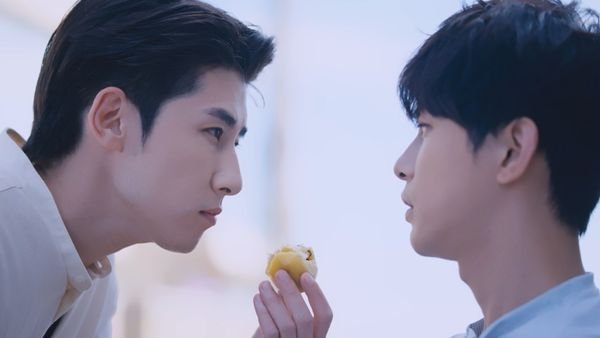
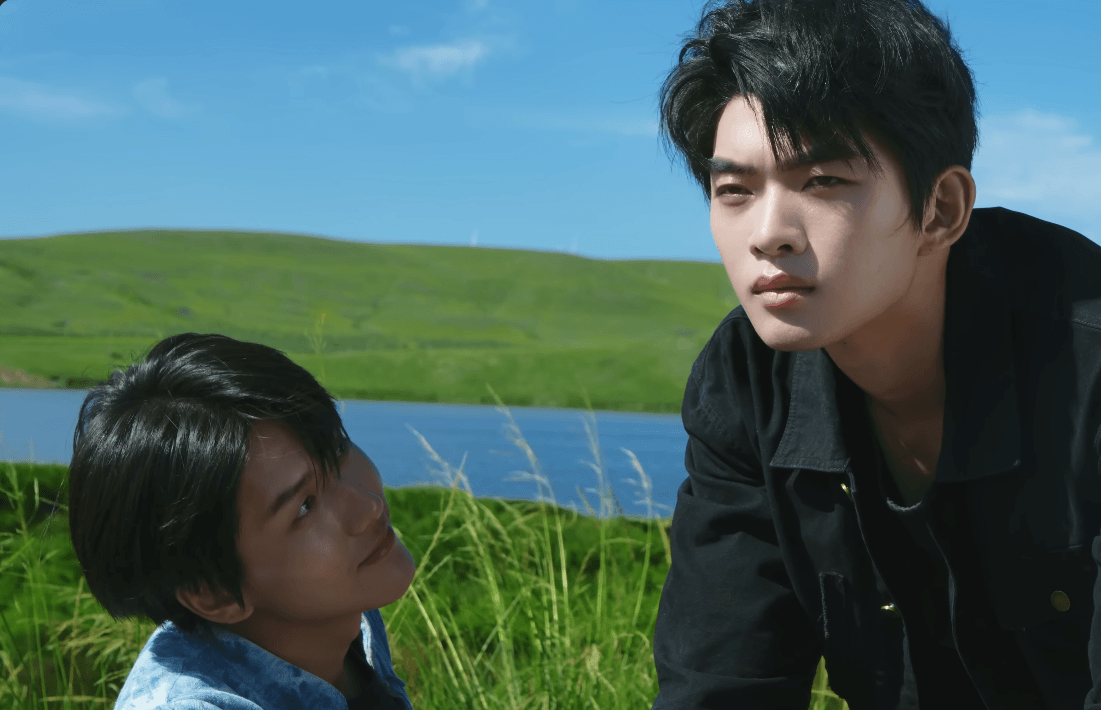
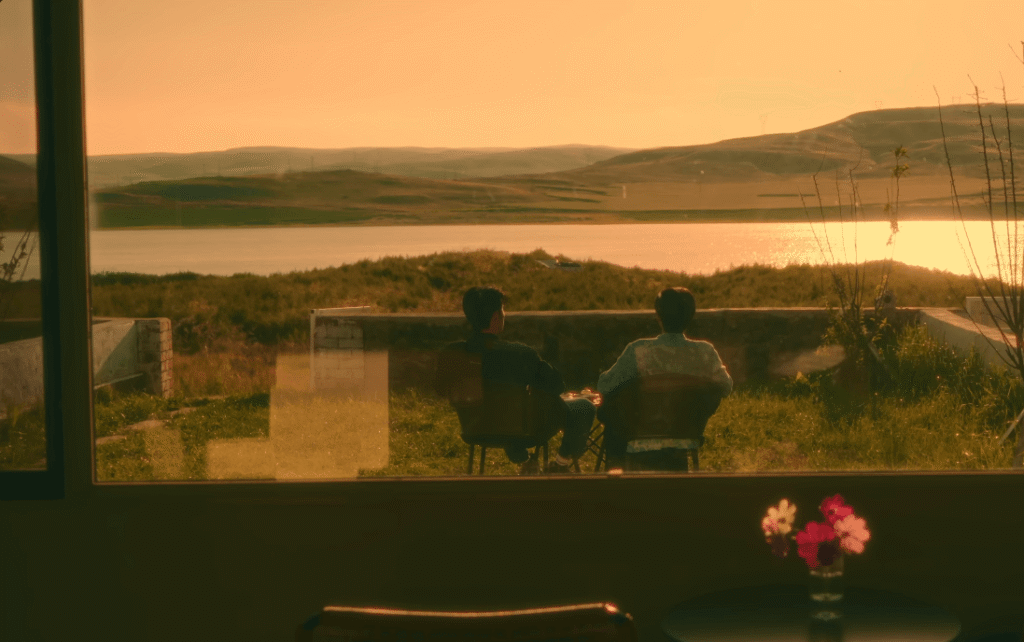
    I am completely spellbound by the pure visual might of the newest hidden gem I found, Awakening the Steppe. The Secret of Us (SoU) production is my aesthetic peak of 2026. I am bewildered by the high-definition, vast landscape of the Mongolian grasslands. Each frame is an analogue of a movie postcard. The show is a breakthrough in the crowded urban environment of the usual Chinese web drama. The focus on natural lighting and panoramic shots was so beautiful.

    My Emotional attachment with Lei Zexin and Amur
    Awakening the Steppe Chinese BL
    Image credit: youtube

    I am fascinated by the relationship between Wang Ruichen and Yuan Zaiqiao. Wang Ruichen is a brooding, deliberate presence on the screen as Lei Zexin. He is a direct action man of magnetic silence. I consider the veterinarian Amur, portrayed by Yuan Zaiqiao, to be a stabilizing element of honesty. Their encounter is a cliched element of the destiny of a heroic dog and a desert rescue. I am impressed by their quick, emotional, hot-temperedness.

    I understand that the overall 60-minute duration (6 episodes of 10 minutes each) creates a sense of narrative vertigo. My experience of becoming acquainted with strangers and soulmates is a whirlwind. But the script, I agree, moved way too fast. This rate makes me continue to believe in their emotional growth despite my disbelief. The series uses the lost-time trope of the instant connection to fill the gap between episodes. I am forgiving that there was no dialogue since the lasting stares are no mystery.

    Cinematography as a Personality
    Awakening the Steppe Review 1 to 6 episodes
    Image credit: youtube

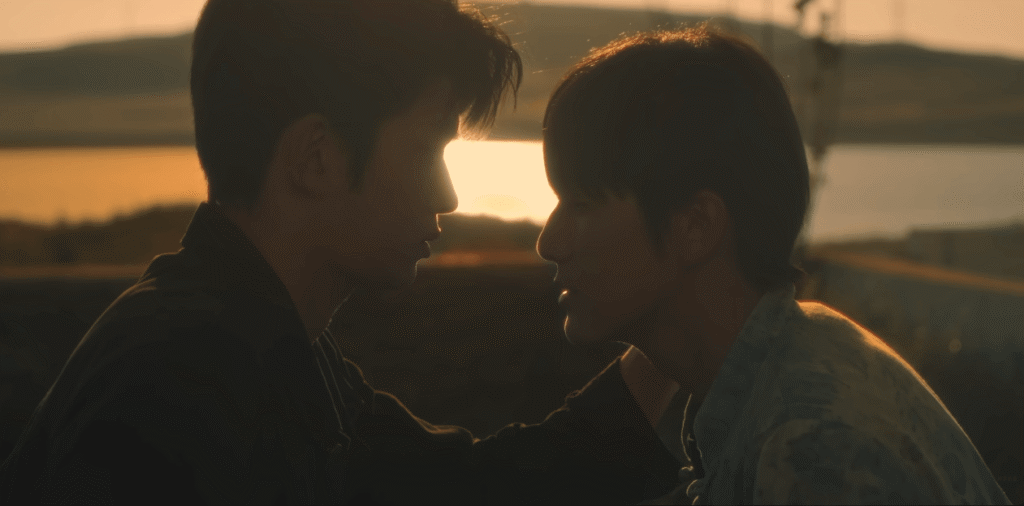
    The camera action in the series is worth a standing ovation. The manner in which the golden hour is captured, over the steppe, is something I am obsessed with. The application of drones gives the feeling that the romance is epic and lonely. I recognize the colour palette changing from the bright greens of the plains to the warm and beautiful orange that the inside of the yurts possesses. This visual contrast is used to show the contrast between the wild world and the haven that the two make for themselves.

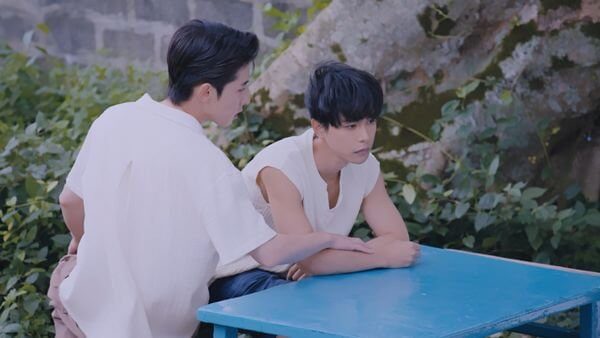
    The atmosphere of the early episodes, especially the healing one, impresses me in particular. Such scenes include silent housework and joint meals. I consider these scenes more powerful than the dramatized play. The sound design is also enormous. I listen to the sound of the wind and the far calling of horses. These facts base the fantasy on a real world.

    My Critique of the SoU Style of Narrative

    It is the tendency to the high angst and sudden tragedy, which I am very much acquainted with, the so-called Secret of Us. I consider it a brave decision to introduce the terminal illness in the final act. Instead of a cold hospital bed, Zexin opts to use the end of a steppe that is natural. This choice appears to me to be poetic and very touching. It suits his desire for freedom as a character. Nonetheless, I can see why some viewers do not require this suffering. 

    I feel ambivalent about the ending. That horseback reunion and the time slip make me wonder whether that was a dream or reality. I am unable to tell whether the ending is a physical miracle or a figment of imagination. The ambiguity is a point of unceasing controversy in my head. The red flags that I can see in their initial interactions are the forced kiss in the tent. I accept these adverse aspects even as I am immersed in the screen to observe the pictures. The play is more of a toxic but beautiful aesthetic characteristic of the contemporary short-form BL.

    Drama Info & Ratings

    • Title: Awakening the Steppe
    • Episodes: 6
    • Genre: Romance
    • Main Cast: Wang Chen Rui, Yuan Zai Qiao
    • Where to Watch: YouTube

    • Overall Score 8/10
    • Story 8/10
    • Acting 10/10
    • Cinematography 10/10
    • Rewatch Value: 7/10

    Check Out: Chinese BL “Love After Addiction” Review
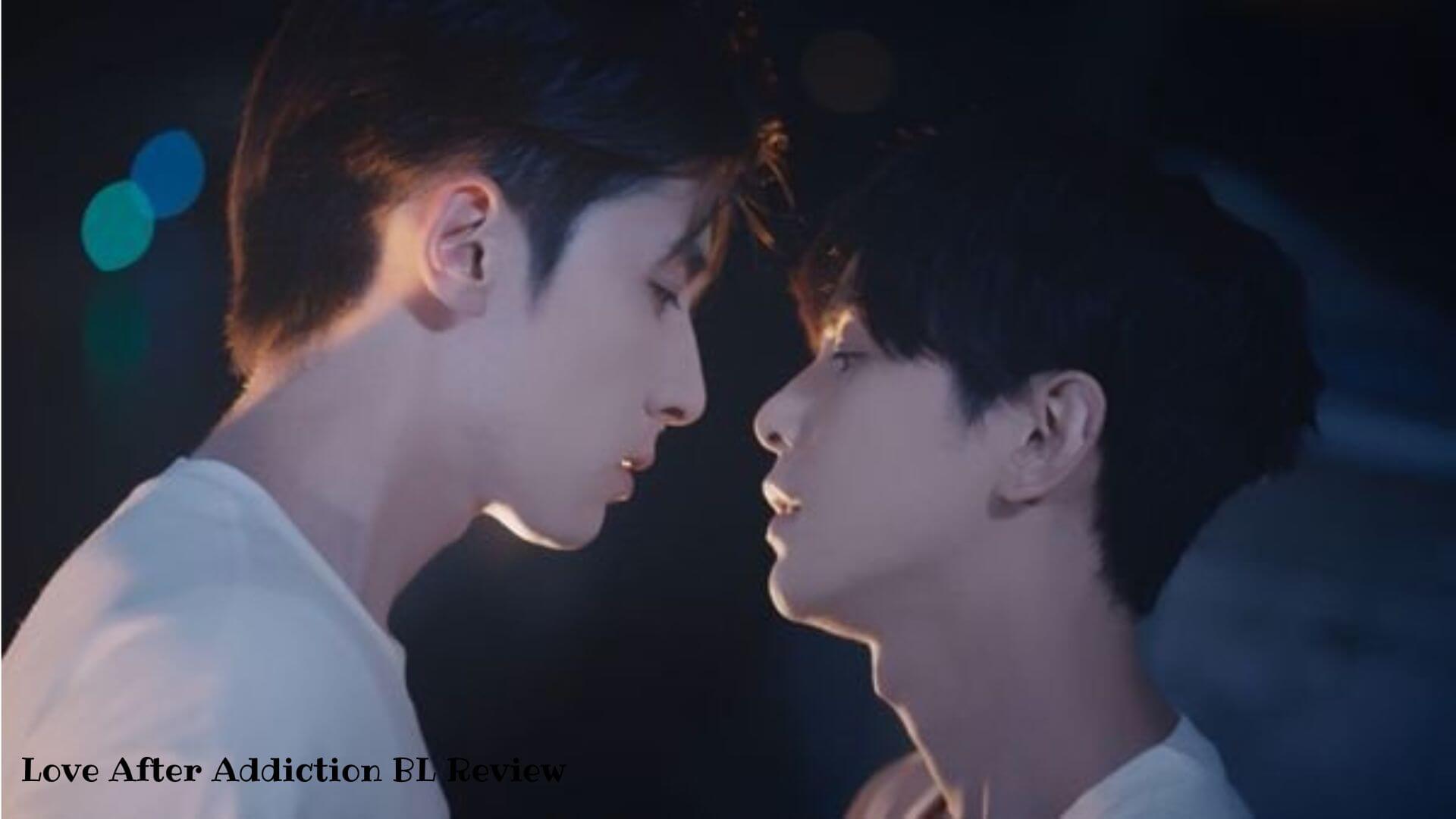
  • Love After Addiction BL Review: Did It Live Up to Addicted?

    Love After Addiction BL Review: Did It Live Up to Addicted?

    If you have spent any time in the BL fandom over the last decade, you know that the title “Addicted” (Heroin) carries a massive weight. It was the lightning-in-a-bottle series that defined an era of Chinese queer media before the censors clamped down. So, when Love After Addiction was announced, the hype was instantaneous. Fans expected a resurrection of the intensity, the “addiction,” and the soul-crushing yearning that made the original novels and series legendary. Unfortunately, what we got was a low-budget, poorly paced, and tonally confused production that feels more like a missed opportunity than a meaningful continuation or reimagination.

    The Story: A Reality Check in the Countryside

    Love After Addiction BL Review

    The series stars Yoki Sun as Su Hai and Gao Ge as Gu Lang, a pairing tasked with stepping into shoes that have been empty for far too long. The plot follows Su Hai and Gu Lang, former high school classmates who share a complicated, unspoken history. Years after their school days, they find themselves reunited in a rustic, rural village under the guise of filming a reality TV show. Su Hai is struggling, seemingly “driven to the ground” by past failures and the machinations of a mysterious woman who looms over his life. As they navigate the beautiful but isolated countryside, the show attempts to weave a tale of rekindled romance and healing, framed by a mysterious contract with the village chief and the pressures of their past identities.

    Production Woes: Where Is the Crew?

    To say this show was low-budget would be an understatement; the lack of resources is palpable in every frame. While the locations are undeniably beautiful and rustic, the central conceit of the plot, that they are filming a high-profile reality TV show, is completely unbelievable. In this “production,” there is no crew to be found. We are expected to believe a professional reality show is being run by a single director and one lone cameraman. This lack of realism breaks the immersion immediately. It felt absurd to watch the leads “perform” for a show that seemingly didn’t exist in the world of the drama.

    Furthermore, the technical execution was a constant hurdle. Instead of investing in quality storytelling or editing, the show wastes nearly six minutes per episode on overly long intros and credits. This is particularly frustrating because the actual narrative feels incredibly thin. To make matters worse, the subtitles were a disaster. Between poor translations that left the “village chief contract” plotline a total mystery and timing issues where text vanished in under a second, the viewing experience was more of a chore than a hobby. I think a lot of the Chinese humor in the show doesn’t land simply because of the translation issues. 

    Script and Character: No Love, No Addiction

    Love After Addiction Chinese BL

    The most glaring issue, however, is the writing. If you came here expecting a continuation of the Addicted novels, prepare for disappointment. This version discards the source material entirely in favor of an “alternate path” story that simply doesn’t work. The title is a misnomer; there is no palpable love here, and certainly no addiction. The plot is confusing, drifting through episodes without a clear hook. By the end, there is no real resolution regarding the woman who supposedly ruined Su Hai, leaving a massive narrative thread dangling into the abyss.

    The pacing is equally problematic. The first few episodes have zero hook— there is no character depth provided to make us care about why these two men are even in the same orbit. Then, the final two episodes feel like they were written at 2.0x speed. Even with a finale that was extended by about 11 minutes, the resolution felt hollow and rushed. The writers chose to give the leads unnecessary “problems” the moment they started dating, forcing them apart for almost two full episodes, only to reunite them in the literal final minutes. It was a textbook case of manufactured drama that replaced actual character growth.

    Check Out: Chinese Drama “Fated Hearts” Review

    Chemistry: A Spark That Never Caught

    I truly felt for the actors, Yoki and Gao Ge. They are capable performers who clearly tried their best with the material they were given, but they were sabotaged by a script that refused to explore their chemistry. Given that the characters were schoolmates, there should have been a deep-seated yearning or a simmering spark between them. Instead, the interactions felt lackluster and surface-level.

    Chemistry in a drama needs to be built through quiet moments and shared history, but Love After Addiction just butchered the “top layer” of the relationship without giving us the foundation. I’ve never finished a series with 12 episodes faster than I did with this one; I managed to get through the entire 12-hour runtime in less than four hours because there was so little of substance to actually sit through. They were clearly trying to build hype around the Addicted brand, but without a script to back it up, the actors were left stranded in the countryside with nothing to do.

    Final Verdict

    Love After Addiction is a prime example of why brand recognition isn’t enough to save a show. It’s a poorly written, technically flawed production that fails to capture even a fraction of the magic its namesake once held. Between the nonsensical reality show premise, the rushed ending, and the lack of emotional heft, it’s a difficult watch even for the most dedicated fans. The actors deserved a better script, and the audience deserved a story that actually understood the meaning of the word “addiction.”

    Drama Info & Ratings

    • Title: Love After Addiction
    • Episodes: 12 Episodes
    • Genre: Romance, Drama
    • Cast: Lin Feng Song, Chen Wen
    • Where to Watch: GagaOOLala

    • Overall Score 7/10
    • Story 6/10
    • Acting 9/10
    • Rewatch Value 0/10