Tag: Romance

  • When Life Gives You Tangerines Review: A Masterpiece on Netflix

    When Life Gives You Tangerines Review: A Masterpiece on Netflix

    When Life Gives You Tangerines Review A Masterpiece on Netflix

    When Life Gives You Tangerines Review: A Masterpiece on Netflix

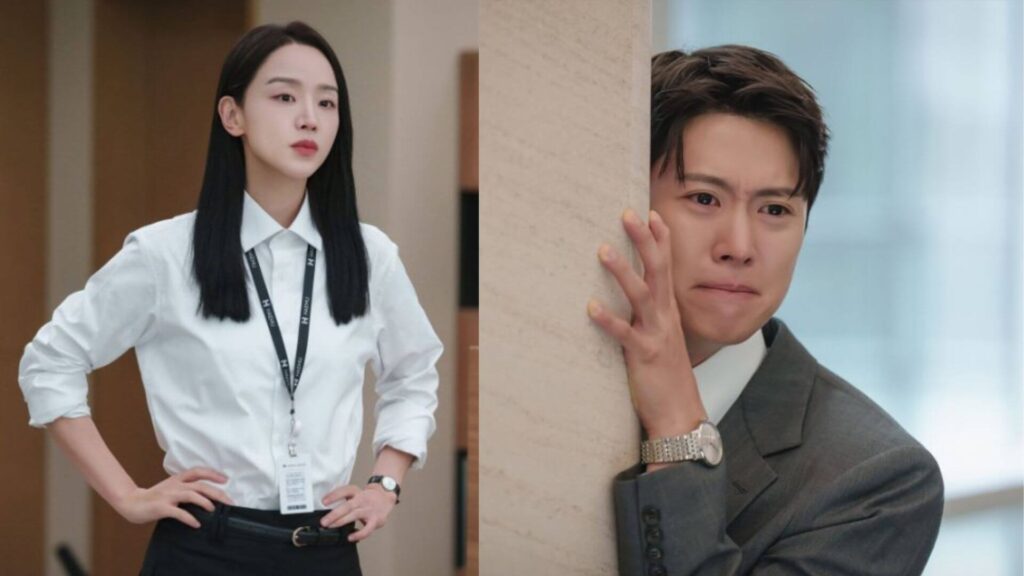
    The 16-episode ride in Netflix’s When Life Gives You Tangerines (2025) has left me in a nostalgic, sweet-and-bitter state. My heart feels like it has been dried on a Jeju porch and squeezed. It is a masterpiece of drama, which is decades long and sweeps a rhythmic soul of the 1950s and a quiet reflection of the present day. I am absolutely in love with the manner in which it handles the passage of time as both a thief and a presenter.

    The Rebellion of Ae-sun

    When Life Gives You Tangerines Review
    Image Credit: Netflix
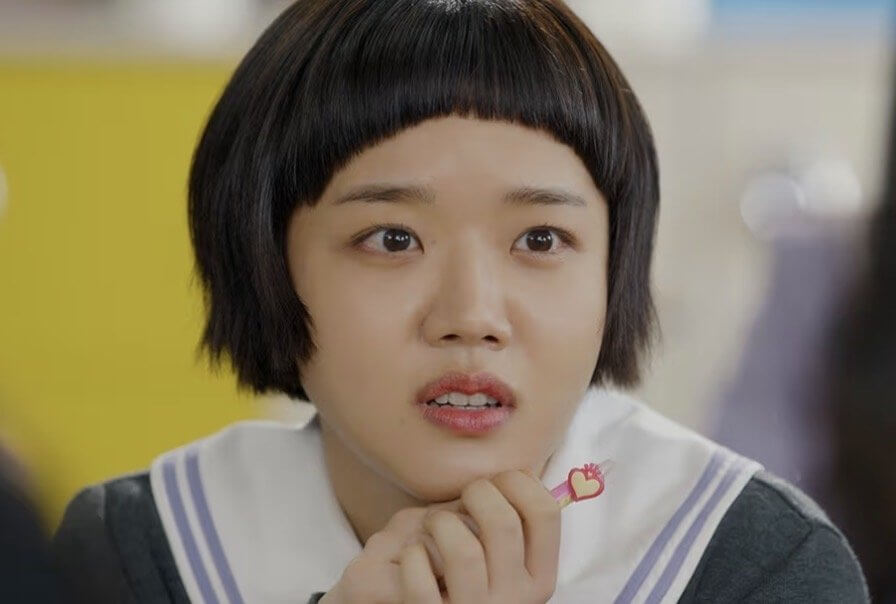
    Ae-sun (IU) is a matchbox in a world of wet matches. I enjoy her energy as a rebel without a cause in the 1950s segments. She is a poor girl born in Jeju Island, who does not allow her poverty to be the measure of her worth. She is outspoken, she is rebellious, and she is a literal poet in a society that requires her to be a silent laborer. IU approaches her with a rough, nervous vitality that is completely dissimilar to her former roles.
    She is not only a dreamer, but a fighter. Whenever she reads a book in bed or even shouts against the suffocating demands of her village, I get a rush of pride. Her soul is as yellow and clean as the citrus fruit the show is dedicated to. She is a girl who desires to see the world. It is a moving and smooth transition to watch her grow into her older self (the legendary Moon So-ri). The older Ae-sun is the same, but refined with the experience of a woman who has passed through the ages of life.

    The Mute Power of Gwan-sik

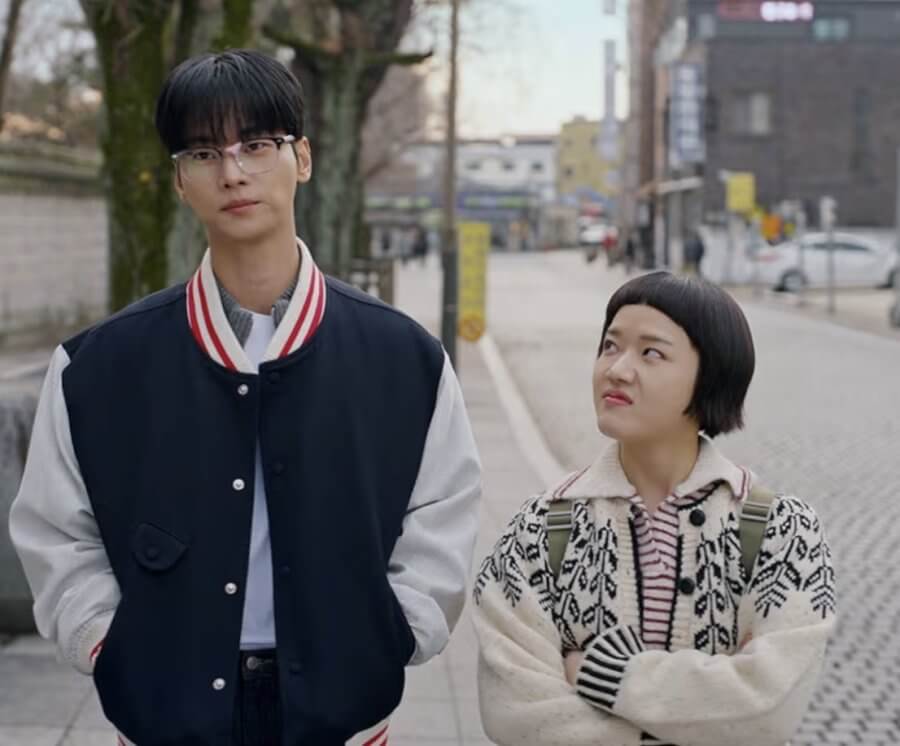
    Across this very colorful storm lies Gwan-sik (Park Bo-gum), a man who is the human equivalent of a sturdy wall. He is steel-like in his devotion. His unspoken, unswerving love for Ae-sun is a stirring emotion to me. He does not talk a lot, yet he proves to be a man of actions, full of a thousand words.
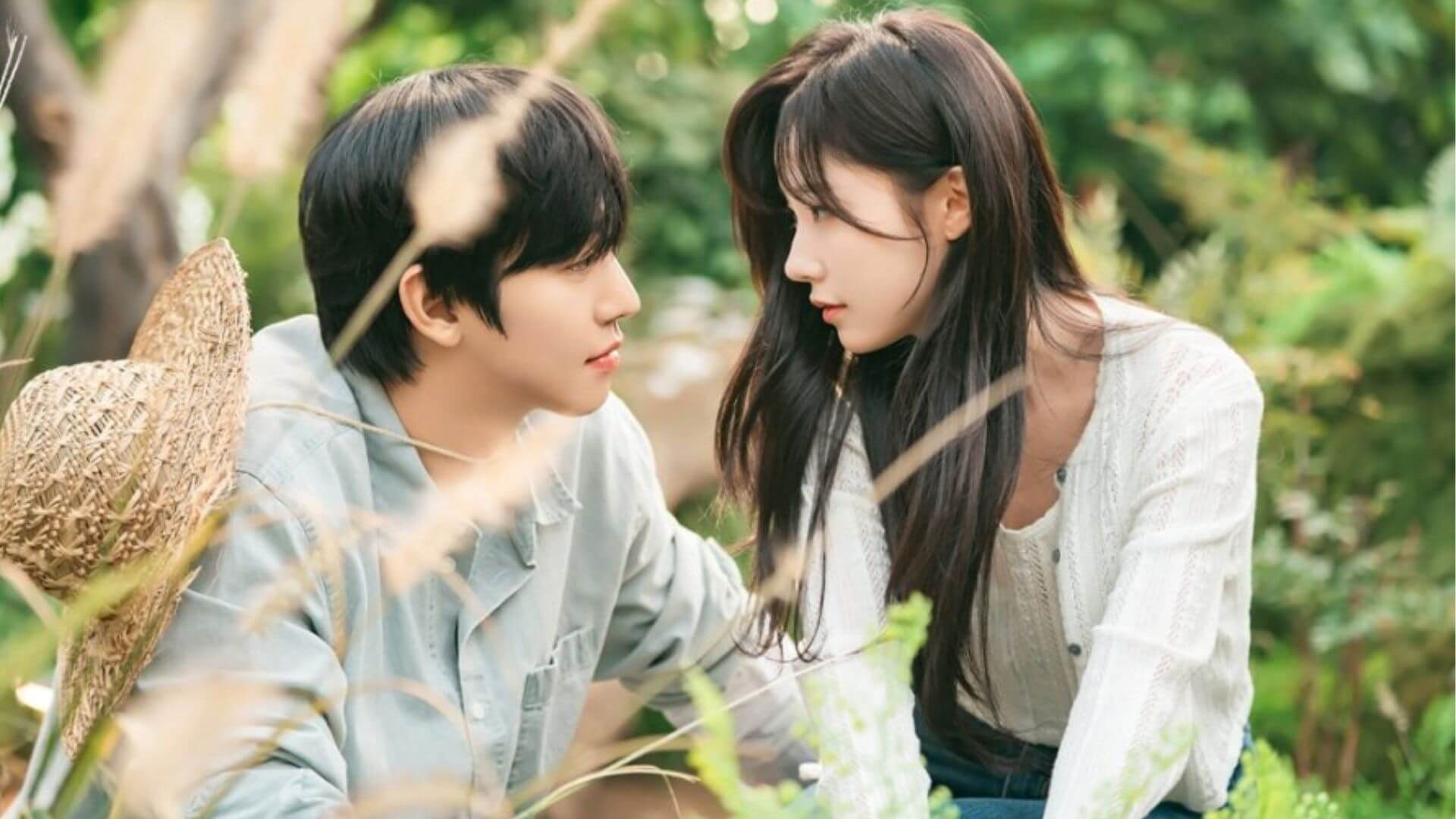
    Park Bo-gum gives a performance of unbelievable restraint. His eyes are used to convey his lifelong desire and devotion. He encourages the wild dreams of Ae-sun, never attempting to put them in cages. Their relationship is a gorgeous, slow-burning fire that heats you, both inside and out. It is not glitzy or dramatic; it is the type of love that makes a home. The fact that his elder self (portrayed by Park Hae-joon) is still carrying this tradition of silent service made me shed tears on more than one occasion. The flow of spirits of the two actors is perfect, as they represent one tender soul at other times.

    A Jeju Island Symphony

    When Life Gives You Tangerines on Netflix
    Image Credit: Netflix
    This K-drama is an actual love letter to Jeju Island through its cinematography. The colors of the earth, the sea, and the bright orange of the tangerines are flooding the pictures. Each scene feels like an old postcard brought to life. The production design is the intended embodiment of the gritty, hopeful mood of the post-war 1950s, and it is contrasted with the smooth, solitary one of the present.
    The narration is positive and consistent. It gives ordinary moments in life the same importance as major ones, such as washing clothes by the sea, having a simple meal, or walking along a dirt path. I like how the show does not have the cliché of “will they, won’t they”. Rather, it dwells upon how they live together in reality. The plot is a gorgeous circle of the past and the present, which demonstrates to us how the decisions of our youth reverberate in our end-chapters.

    The Weight of Memory and Loss

    As the k-drama moves towards the final episodes, the key to the show becomes a profoundly moving reflection on growing old and retention. The time-travelling road trip in the second part of the show is a pure emotion mishmash. I was thinking of my family background and the secret number of lives my elders had.
    My heart broke into pieces like shards of glass during Episode 14. The realization of the time spent, how many dreams had to be sacrificed on the way, is so gracefully managed. It is not a tragedy, but a tribute. The language is plain and heartfelt, with no hesitation about the ugly scenes of poverty or the physical burden of old age.
    When Life Gives You Tangerines is an artistic work of closure. It does not present you with a fairytale; it presents you with a harvest. It teaches us that life may be brief and may be full of thorns, but the fruit we bear in the journey is sweet and everlasting. The last scenes made me feel peace that I have not experienced in a long time after watching a K-drama.
    This is a must-watch for any person who is fond of a big family saga or a K-drama that can be compared to a warm embrace on a cold day. It is a tale of the loveliness of being a tangerine, a little sour, and so memorable. But I don’t think I have it in me to rewatch this again anytime soon.

    ✦ Watch This If You Loved Bloodhounds S2

    If the devastating ending in Weak Hero Class 1 still keeps you up at night, or if you’re still not over how A Shop for Killers redefined found family through the game of survival… this k-drama is made for you. It has that same rare quality of putting up a fight and making us feel every heartbeat behind the punch.
    Drama Info
    TitleWhen Life Gives You Tangerines
    Episodes16
    GenreRomance · Life · Drama
    Release Date April 3 · 2026 · Netflix Original
    Stream
    🎬 Netflix
    Main Cast
    Woo Do-hwan Korean Actor

    Woo Do Hwan

    Kim Geon U

    Lee Sang-yi Korean Actor

    Lee Sang Yi

    Hong U Jin

    Rain as Im Baek Jeong

    Rain

    Im Baek Jeong

    MAB Score
    9.5/10
    Overall Rating

    Story

    Acting

    Emotional Impact

    Cinematography

    Rewatch Value — 2/10
    But I don’t think I have it in me to rewatch this again anytime soon.
  • Duang With You Episodes 1 to 5: Thai BL First Impressions

    Duang With You Episodes 1 to 5: Thai BL First Impressions

    Duang With You Episodes 1 to 5 Thai BL First Impressions

    Duang With You Episodes 1 to 5: Thai BL First Impressions

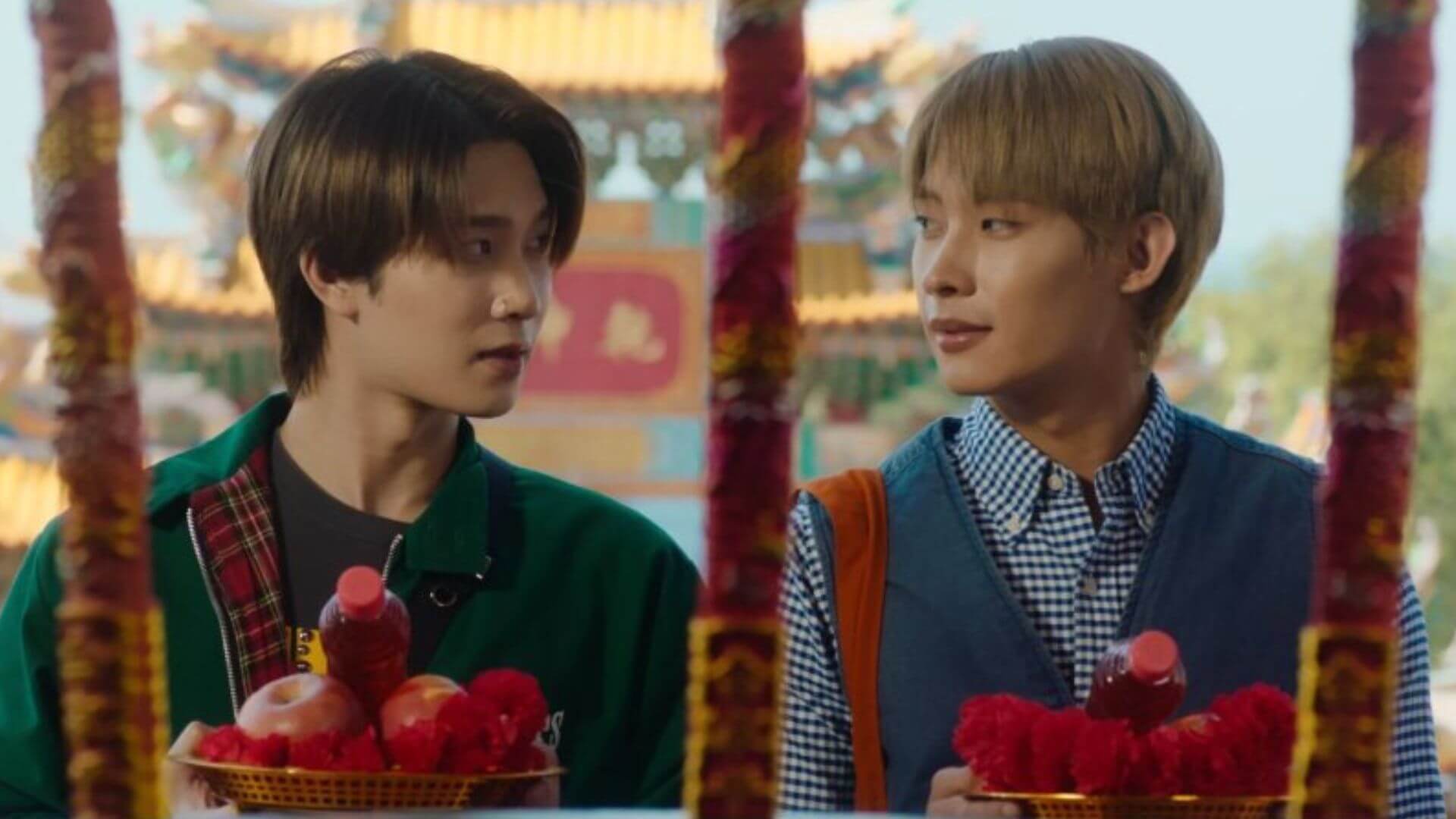
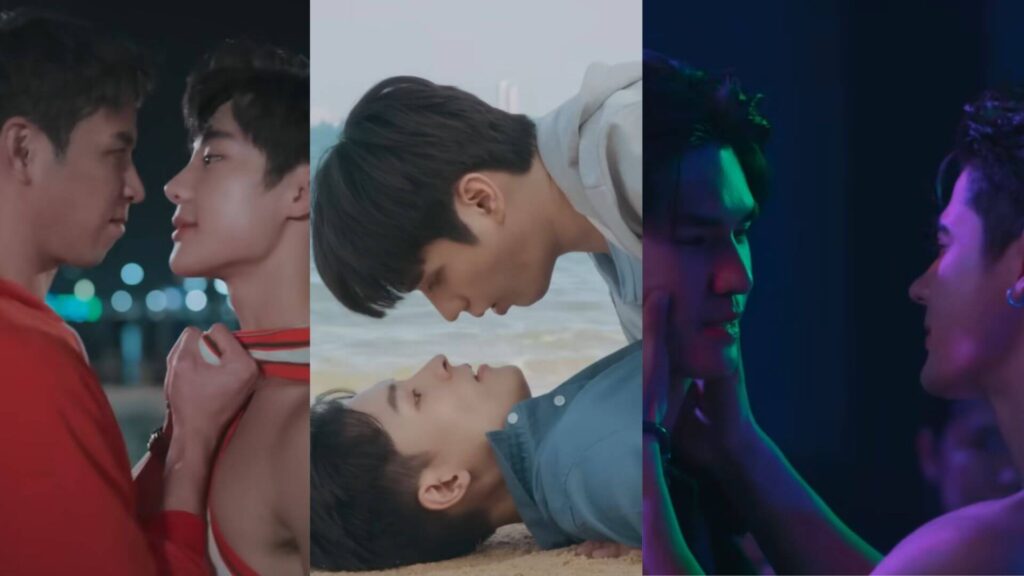
    If you thought you’d seen every possible way a Thai BL lead could “pursue” his crush, think again. Duang With You has officially entered the chat, and it’s brought a megaphone, a stack of stickers, and a complete lack of shame. Adapted from the novel Not the Best but Still Good, this show is the definition of “it’s so silly it works.”
    We’ve got TeeTee Wanpichit playing Duang, a human hurricane of energy, and Por Suppakarn as Qin, a stoic jazz student who is essentially a brick wall that Duang is trying to decorate with glitter.
    We’ve got TeeTee Wanpichit playing Duang, a human hurricane of energy, and Por Suppakarn as Qin, a stoic jazz student who is essentially a brick wall that Duang is trying to decorate with glitter.

    Episode 1: Love at First Orientation

    "Duang With You" First Impressions
    Image Credit: iQIYI
    The Content: We meet Duang, a decorative arts student who falls in love at first sight with Qin, the faculty’s icy music prince, during a freshman party. Duang decides on the spot that Qin is the “Love of his Life” and initiates a pursuit that is… well, highly persistent.
    The Review: This episode is a fever dream of bright colors and high energy. TeeTee’s performance as Duang is a complete 180 from his role in Your Sky. He is loud, impulsive, and remarkably stalkerish in a way that somehow isn’t creepy? It’s more like a golden retriever that doesn’t understand the word “no.” The comedy sound effects are a bit much, but the energy is infectious.

    Episode 2: The Sticker Strategy

    The Content: Duang’s flirting tactics involve leaving “Good Morning” stickers on Qin’s possessions and trying to find excuses to be in his orbit. We see Qin starting to crack, though he’d never admit it.
    The Review: This is where the “stoic vs. sunshine” dynamic really starts to pay off. There’s a scene where Qin purposely chooses a white chocolate snack just so he can “accidentally” grant Duang’s request. It’s subtle, but Por is doing wonders with his micro-expressions. You can see Qin internally screaming, “Why do I find this annoying human cute?”

    Episode 3: The Stage is Set

    The Content: In a move that clearly suggests the professors are in on the shipping, Duang and Qin are paired together for a stage performance. Forced proximity? Check. Shared rehearsals? Check.
    The Review: This episode gives us a break from the slapstick and leans into the chemistry.The musical element adds a nice layer. Watching Qin serenade the room while Duang looks on like his world is tilting is pure BL gold. Also, special shoutout to Duang’s friends, Jamie (North) and Pae (Wave). Their “spy mission” to gather intel on Qin is peak teenage behavior and actually hilarious.

    Episode 4: The Long Way Home

    Thai BL Duang With You Review
    Image Credit: iQIYI
    The Content: After a long rehearsal, Qin takes the “long route” back home under the guise of exercise, just to spend more time with Duang. Meanwhile, the side couples (Jamie/Marvis and Pae/Tong) are starting to stir up some serious heat.
    The Review: I am officially obsessed with the Jamie/Marvis subplot. Their chemistry is hot, providing a nice contrast to the sugary sweetness of our main pair. As for our leads, the “couch conversation” in this episode was a highlight. Qin’s fear of getting hurt again is starting to peek through his icy exterior, and Duang’s sincerity is the perfect antidote.

    Episode 5: Couple Tattoos & No Underwear

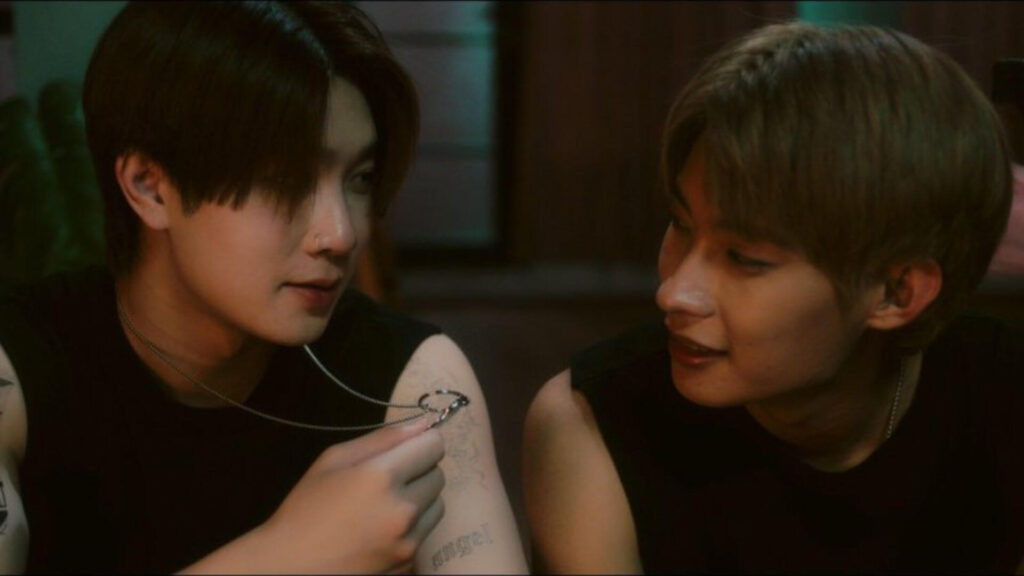
    The Content: Things get exponentially weirder and sweeter. Duang admits to not wearing underwear (don’t ask, just watch), they somehow end up with matching “tattoos” before even going on a date, and Qin finally admits he’d stay on a “sinking ship” with Duang.
    The Review: This episode is a riot. Duang is a “neurospicy” king who feels emotions in 4K, and Qin is finally learning how to navigate that energy. The scene where Qin calms Duang down during a freak-out is genuinely moving. Also, the revelation that they got a couple of tattoos before an official date? Only in this show. It’s chaotic, it’s illogical, and I loved every second of it.

    Thoughts After 5 Episodes

    Duang With You isn’t trying to be I Told Sunset About You. It’s a robust, silly, and incredibly charming look at how a persistent heart can melt a cold one. TeeTee and Por have a role-reversal dynamic that feels fresh, and the supporting cast is actually worth the screen time.
    ✦ Watch This If You Loved
    I highly recommend A Bona Fide Killer if you’re looking for a dark action-comedy with a badass female lead, a thrilling double life, intense vigilante action, and heartwarming family moments.
    Looking for more dramas like A Bona Fide Killer? Check out our similar picks below:
    Main Cast

    MAB Score (For Episodes 1 & 5)
    7.5/10
    Overall Rating

    Story

    Acting

    Chemistry

  • Love After Addiction BL Review: Did It Live Up to Addicted?

    Love After Addiction BL Review: Did It Live Up to Addicted?

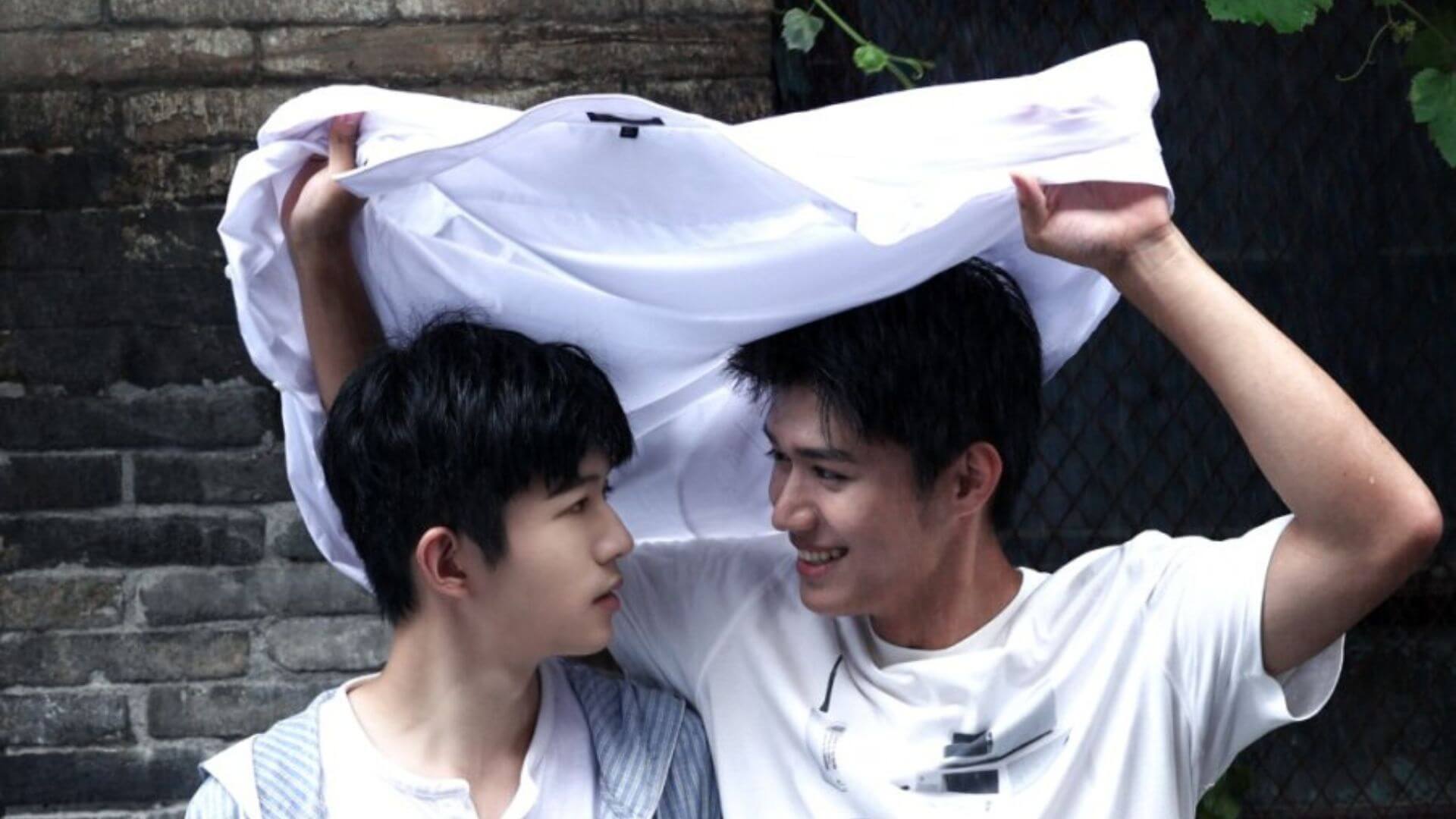
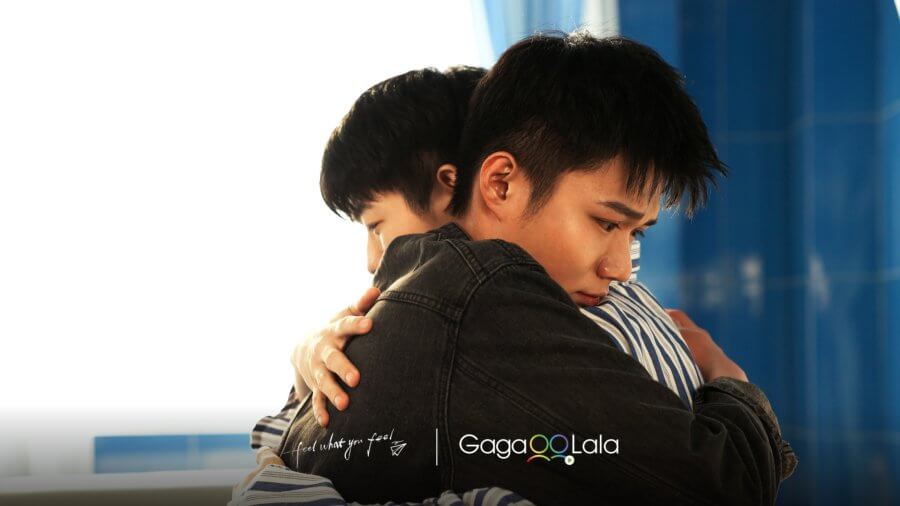
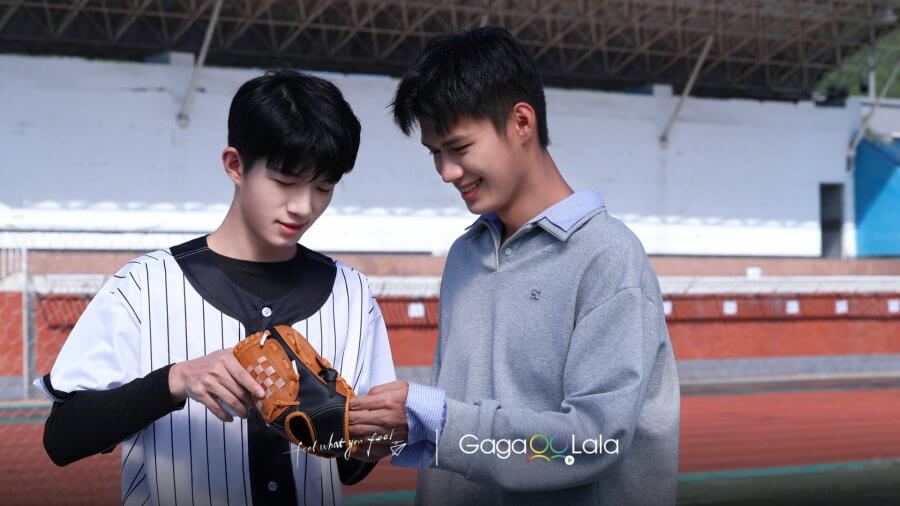
    If you have spent any time in the BL fandom over the last decade, you know that the title “Addicted” (Heroin) carries a massive weight. It was the lightning-in-a-bottle series that defined an era of Chinese queer media before the censors clamped down. So, when Love After Addiction was announced, the hype was instantaneous. Fans expected a resurrection of the intensity, the “addiction,” and the soul-crushing yearning that made the original novels and series legendary. Unfortunately, what we got was a low-budget, poorly paced, and tonally confused production that feels more like a missed opportunity than a meaningful continuation or reimagination.

    The Story: A Reality Check in the Countryside

    Love After Addiction BL Review

    The series stars Yoki Sun as Su Hai and Gao Ge as Gu Lang, a pairing tasked with stepping into shoes that have been empty for far too long. The plot follows Su Hai and Gu Lang, former high school classmates who share a complicated, unspoken history. Years after their school days, they find themselves reunited in a rustic, rural village under the guise of filming a reality TV show. Su Hai is struggling, seemingly “driven to the ground” by past failures and the machinations of a mysterious woman who looms over his life. As they navigate the beautiful but isolated countryside, the show attempts to weave a tale of rekindled romance and healing, framed by a mysterious contract with the village chief and the pressures of their past identities.

    Production Woes: Where Is the Crew?

    To say this show was low-budget would be an understatement; the lack of resources is palpable in every frame. While the locations are undeniably beautiful and rustic, the central conceit of the plot, that they are filming a high-profile reality TV show, is completely unbelievable. In this “production,” there is no crew to be found. We are expected to believe a professional reality show is being run by a single director and one lone cameraman. This lack of realism breaks the immersion immediately. It felt absurd to watch the leads “perform” for a show that seemingly didn’t exist in the world of the drama.

    Furthermore, the technical execution was a constant hurdle. Instead of investing in quality storytelling or editing, the show wastes nearly six minutes per episode on overly long intros and credits. This is particularly frustrating because the actual narrative feels incredibly thin. To make matters worse, the subtitles were a disaster. Between poor translations that left the “village chief contract” plotline a total mystery and timing issues where text vanished in under a second, the viewing experience was more of a chore than a hobby. I think a lot of the Chinese humor in the show doesn’t land simply because of the translation issues. 

    Script and Character: No Love, No Addiction

    Love After Addiction Chinese BL

    The most glaring issue, however, is the writing. If you came here expecting a continuation of the Addicted novels, prepare for disappointment. This version discards the source material entirely in favor of an “alternate path” story that simply doesn’t work. The title is a misnomer; there is no palpable love here, and certainly no addiction. The plot is confusing, drifting through episodes without a clear hook. By the end, there is no real resolution regarding the woman who supposedly ruined Su Hai, leaving a massive narrative thread dangling into the abyss.

    The pacing is equally problematic. The first few episodes have zero hook— there is no character depth provided to make us care about why these two men are even in the same orbit. Then, the final two episodes feel like they were written at 2.0x speed. Even with a finale that was extended by about 11 minutes, the resolution felt hollow and rushed. The writers chose to give the leads unnecessary “problems” the moment they started dating, forcing them apart for almost two full episodes, only to reunite them in the literal final minutes. It was a textbook case of manufactured drama that replaced actual character growth.

    Check Out: Chinese Drama “Fated Hearts” Review

    Chemistry: A Spark That Never Caught

    I truly felt for the actors, Yoki and Gao Ge. They are capable performers who clearly tried their best with the material they were given, but they were sabotaged by a script that refused to explore their chemistry. Given that the characters were schoolmates, there should have been a deep-seated yearning or a simmering spark between them. Instead, the interactions felt lackluster and surface-level.

    Chemistry in a drama needs to be built through quiet moments and shared history, but Love After Addiction just butchered the “top layer” of the relationship without giving us the foundation. I’ve never finished a series with 12 episodes faster than I did with this one; I managed to get through the entire 12-hour runtime in less than four hours because there was so little of substance to actually sit through. They were clearly trying to build hype around the Addicted brand, but without a script to back it up, the actors were left stranded in the countryside with nothing to do.

    Final Verdict

    Love After Addiction is a prime example of why brand recognition isn’t enough to save a show. It’s a poorly written, technically flawed production that fails to capture even a fraction of the magic its namesake once held. Between the nonsensical reality show premise, the rushed ending, and the lack of emotional heft, it’s a difficult watch even for the most dedicated fans. The actors deserved a better script, and the audience deserved a story that actually understood the meaning of the word “addiction.”

    Drama Info & Ratings

    • Title: Love After Addiction
    • Episodes: 12 Episodes
    • Genre: Romance, Drama
    • Cast: Lin Feng Song, Chen Wen
    • Where to Watch: GagaOOLala
    • Overall Score 7/10
    • Story 6/10
    • Acting 9/10
    • Rewatch Value 0/10
  • Fated Hearts Review: Li Qin and Chen Zhe Yuan 2025 C-Drama

    Fated Hearts Review: Li Qin and Chen Zhe Yuan 2025 C-Drama

    Fated Hearts Review Li Qin and Chen Zhe Yuan 2025 C-Drama

    Fated Hearts Review: Li Qin and Chen Zhe Yuan 2025 C-Drama

    I hadn’t planned to start watching this yet. Really, I hadn’t. But somehow, I fell straight into its trap. I thought I’d take a quick peek at the first episode, and almost instantly, the clock hit 6:00 AM, five episodes were down, and there was no way to stop. It is that good. It’s no wonder the ratings are soaring; this is the kind of drama that consumes you.

    The Art of the Slow Shift

    Fated-Hearts-Li-Quin-Chen-Zhe-Yuan-in-2025-c-drama
    Image Credit: iQIYI
    Whenever I watch an “enemies-to-lovers” story, I never get tired of that delicate transition where two people slowly grow into each other. They begin to learn the softest parts of one another, the secrets never spoken, the weaknesses hidden behind armor.
    In Fated Hearts, this trope is executed to perfection. It isn’t rushed, but it isn’t dragging either. After the brutality of the first two episodes, I was genuinely curious how the writers would ever bridge the gap between the two leads. Seriously, they hated each other, and Feng Sui Ge (the ML) tortured the female lead pretty badly. Watching that animosity melt into something defiant and sacrificial was a journey worth every minute of sleep I lost.

    A Romance of Equals

    What truly stood out is how sensibly balanced the relationship between Fu Yi Xiao and Feng Sui Ge is. They are both capable, confident, and competent individuals who don’t lose their identity just because they fall in love.
    I absolutely love that the writing keeps them as equals. She never becomes the “damsel” who needs the ML to protect her. He respects her strength and intelligence, letting her take risks and fight her own battles rather than forcing her to hide behind him out of overprotectiveness. In so many dramas, once characters fall in love, they turn into fools and lose their edge. Here? They stay ruthless, individualistic, and brilliant.

    Li Qin: The Definitive Female General

    There has been a lot of talk this year about who played the “Female General” character best, but the debate ends here. Li Qin as Fu Yi Xiao is the clear winner. She was sublime, fierce, and graceful, and carried herself with a dignity that was pure bliss to watch. Her moral journey, from a woman bound by loyalty to one willing to risk her heart for the truth, is the anchor of the show.
    On the other side, Chen Zhe Yuan‘s Feng Sui Ge is equally compelling as a prince shaped by vengeance who learns that power without compassion is just another cage. (Side note: In that one torture scene where she turns the tables on him, he seemed to be “thriving” in the pain a bit too much… the man was out there having the time of his life!)

    Visually Stunning (With a Filter Warning)

    Fated Hearts-episode-12-finale-Review
    Image Credit: iQIYI
    However, I have to be honest: they overdid the face filter. At some points, Chen Zhe Yuan looked like he might literally melt if the sun hit him too directly. They really could have eased up on the digital smoothing to let the actors’ natural expressions shine through.
    Visually, the drama is a feast. The cinematography is careful and deliberate, and the Chinese historical wedding scenes are breathtaking; the colors and attire are peak aesthetic.

    The Good, The Bad, and The “Sword to the Stomach”

    The supporting cast was a mixed bag:
    The Loyalty: Feng Sui Ge’s team was fantastic, utterly loyal until the end.
    The Respect: The Second Prince of Susha earned my total respect. Despite being raised on lies, he chose what was right and stood by his brother. Chenyang for the win!
    The Disaster: Then there was the Princess of Susha. She was frustrated from start to finish. She lacked clear motives, made terrible choices for the wrong man, and eventually met her end at the tip of a sword from the very person she sacrificed everything for. She needed a knock on the head, not sympathy.

    Thoughts after Finale

    I wanted to rate this a solid 9, but the finale held it back. After all that epic buildup, the ending felt like a small firework when I was expecting a grand explosion of a war.
    Moreover, the political resolution felt ridiculous. Putting the Princess, who showed zero intelligence or responsibility throughout the show, in charge of a country was a massive misstep by Feng Sui Ge. Chengyang showed far more leadership potential, and the ending felt shoehorned to fit a narrative that did not make too much sense.
    Because of those two flaws, I’m settling on an 8. It’s an incredible, addictive watch that handles its leads better than almost any other historical drama this year, even if the ending didn’t quite hit the “epic” scale I craved.
    ✦ Watch This If You Loved
    I highly recommend A Bona Fide Killer if you’re looking for a dark action-comedy with a badass female lead, a thrilling double life, intense vigilante action, and heartwarming family moments.
    Looking for more dramas like A Bona Fide Killer? Check out our similar picks below:
    Previous Post
    Next Post

    1 Comment

    • I was trying to find out if I could increase the RAM on my laptop. While
      looking for answers I discovered https://znayka.com.ua.
      I couldn’t find accurate hardware information on most websites. Many sources were confusing.
      On this site I found useful technical guidance, along with step-by-step visuals that made everything much easier to understand.
      I can confidently recommend this resource if you want reliable information about laptops and hardware upgrades.

    Leave a Reply

    Your email address will not be published. Required fields are marked *

  • Still Shining First Impressions: GOT7 Jinyoung’s New K-Drama

    Still Shining First Impressions: GOT7 Jinyoung’s New K-Drama

    Remember how Our Beloved Summer made you think about those first loves that never really leave you? Still Shining (샤이닝), which just dropped this week, gives off a very similar vibe. Because of that comparison, I’ll admit I was a bit hesitant to start it and had zero expectations, especially since idol actors can sometimes be a hit or miss. But Park Jin-young (yeah, GOT7’s Jinyoung) and Kim Min-ju (ex-IZ*ONE) are genuinely holding their own and making the story feel natural on screen.

    Kdrama Still Shining review

    The Drama Begins With

    The show opens in the sticky heat of summer 2014, when Yeon Tae-seo (Park Jin-young) leaves Seoul behind and moves to his grandparents’ quiet countryside town. He’s not there by choice as his younger brother is injured, and after their parent’s death, Tae-seo suddenly finds himself carrying responsibilities far beyond his age. Between looking after his brother, helping his grandparents, and pushing himself to study harder, he’s trying to hold everything together and build a better future.

    The school library is the only place Tae-seo really feels free. That’s where he bumps into Mo Eun-a (Kim Min-ju), who is loud, talkative, and full of life, basically, everything Tae-seo isn’t. But beneath their different personalities, both of them are carrying their own burdens. Tae-seo feels the pressure of his family’s future on his shoulders, while Eun-a is always looking out for her father, who is struggling with his own battles. As the days go by, they start spending more time together by studying in the library, racing their bicycles, and teasing each other. And somewhere along the way, all those little moments begin to mean something more, and slowly, they start falling for each other.

    From Distance to Confession

    Still Shining-Jinyoung & Kim Min-ju

    [SPOILER] By the end of episode 1, Tae-so finally goes to the doctor about his hearing problems. Turns out, they’re caused by stress and started after his parents’ accident. Once he gets the news, he just feels even more alone, so he calls Eun-a. But when he does, she calls him out for being rude and distant. That’s when it hits him that he messed up. He rushes over to the train station where Eun-a’s waiting. He finds her by the Han River, and together they catch the train home. On the ride, they actually talk, really talk, about how they feel and how being together makes things a little easier. Eun-a says they should stick together forever, and Tae-seo says yes. The episode wraps up with Tae-seo holding Eun-a’s hand as they’re starting to date now!! [SPOILER END]

    Love, Exams, and Life Changes

    Episode 2 of Still Shining begins with the students preparing for their upcoming PSAT exams. The next morning, before heading into the exam hall, Eun-a gives Tae-seo her scarf for good luck, while Tae-seo gives Eun-a his nametag to keep with her during the test. As the episode goes on, the two always find a way to meet and spend time together, even if it means traveling just to see each other for a short while. At the same time, Eun-a is quietly dealing with something personal, as she finds out that her dad is getting remarried, which hits her pretty hard and just adds to everything else she’s feeling.

    Check Out: K-drama “Boyfriend on Demand” Review

    What’s Really Working for Me

    The chemistry between these two just clicks. Nothing feels forced – it’s like their paths were always supposed to cross again. And the nostalgia hits in all the right ways. Those flashbacks actually matter,as they give the story more weight and help you get why their past still shapes them. When the story jumps to the present, Tae-seo and Eun-ah as adults feel real, like they’re just older versions of the kids you already know. Nobody suddenly turns into some big-shot CEO or has a wild glow-up – they’re just regular people figuring things out, and you can really feel what’s missing for them. Visually, the show’s got style. The warm countryside summers and hectic city subways clash in a way that really shows how much their lives have changed, even if those old feelings are still hanging on.

    What Comes Next?

    Right now, Still Shining feels like this quiet, emotional look at timing, memories, and how some people just stay with you. The slow pace actually helps; it gives the characters space to breathe and lets their emotions land. I’m definitely curious about the side characters, especially Bae Seong-chan (Shin Jae-ha). Is he going to keep playing the loyal friend, or will he step into that classic second-lead spot and break a few hearts? Guess we’ll find out soon enough.

    Drama Info & Ratings

    • Title:  Still Shining
    • Episodes: 2 (as of this review)
    • Total Episodes: 10
    • Genre: romantic melodrama, slice of life, youth drama, slow-burn
    • Cast: Jinyoung, Kim Min-ju, Shin Jae-ha, Park Se-hyun
    • Where to Watch: Netflix

    Overall Score: 9/10

    • Story: 9/10
    • Chemistry: 8.5/10
    • Acting: 8/10

  • The Practical Guide to Love: Episodes 1–2 Review (Spoiler-Free)

    The Practical Guide to Love: Episodes 1–2 Review (Spoiler-Free)

    So, I just wrapped up the first 2 episodes of The Practical Guide to Love or Efficient Matchmaking for Unmarried Men and Women, if you want the full mouthful. It’s JTBC’s new weekend rom-com that showed up at the end of February 2026, and honestly, I didn’t expect to get this invested this fast. We’re talking about that sneaky kind of hooked, where you catch yourself grinning at your laptop and then have to explain to your roommate that no, you’re not texting anyone, you’re just watching TV.

    Meet the Female Lead: Lee Ui-yeong

    The-Practical-Guide-to-Love-episode1-review

    Lee Ui-yeong (Han Ji-min) is sharp and no-nonsense, running the purchasing department for a high-end hotel chain. She’s got the kind of life you’d envy on paper: bills sorted, killer wardrobe, climbing the ladder. But when it comes to love, it’s like she left the document open and forgot to hit save. Every setup has been a letdown, and that one office crush? Total flop. So, she’s done waiting around for fate to throw her a bone. She treats dating like a work project now: blind dates are scheduled with military precision, and there’s a clear goal to find someone who’s actually ready for marriage. No more wasted time.

    Why Lee Ui-yeong Feels So Relatable

    What makes Ui-yeong stand out is how real she feels. She isn’t some over-the-top, quirky main character. She’s practical, a little wary, and honestly, kind of tired of being let down. Her mom’s always there in the background, gently (or not-so-gently) nudging her to settle down, but it doesn’t get all heavy and melodramatic. It’s more like that low-level hum of anxiety a lot of us feel, Am I being too picky? Did I miss my window? Is it just me?

    The Love Triangle: Song Tae-seop (The Steady One)

    The Practical Guide to Love Ep1-2 Review

    And then you meet the two guys’ classic love triangle, but they actually pull it off.

    First, there’s Song Tae-seop (Park Sung-hoon). He’s a furniture designer, runs his own woodshop, and has gentle eyes and a calming energy. The sort of guy who seems like he could actually stick around for the long haul. On their first blind date, he just comes right out and asks, “Are you dating with marriage in mind?” Ui-yeong’s thrown off. Who actually says that out loud? Most people tiptoe around that for months. But he’s just straightforward, no games. It’s almost shocking in a good way. Park Sung-hoon nails the role, too; he’s quiet, but there’s this intensity under the surface. He’s not passive; he’s just sure. Makes you wonder if “steady” can be as exciting as “swoon.”

    The Love Triangle: Shin Ji-su (The Chaotic Spark)

    Then there’s Shin Ji-su (Lee Ki-taek), the younger, unpredictable one. He’s an actor still hustling for his big break, bursting with energy and just a little chaotic. His entrance is a mess. He shows up pretending to be someone else (classic drama move), but it’s played for laughs, not drama. And when he finally drops the act, he’s all charm and spontaneity. Not the guy you’d put on a “husband material” checklist, but he makes Ui-yeong laugh, makes her feel seen, and brings back that fluttery feeling she thought she’d grown out of.

    How the Show Handles the Tension

    What really works about these episodes is how the show handles the tension between the three of them. There are no wild jealousy or over-the-top love triangle antics yet. Ui-yeong isn’t bouncing back and forth in a soap opera way; she’s just quietly trying to figure out what she actually wants. Does she go for the stable, quietly devoted guy or the spark and unpredictability? The show leans into the reality of being an adult, work stress, old baggage, and the fear of giving up your independence. Even the blind dates feel different. They’re awkward, sure, but not in a cringe way, more like, “Okay, let’s get down to business.” It’s kind of a refreshing drama.

    Visually, it’s got that cozy vibe, warm lighting, inviting cafes, Ui-yeong’s sleek office, and Tae-seop’s workshop with sunlight and sawdust everywhere. The pace is slow in a good way, never drags, just lets you settle in. Han Ji-min is fantastic at the little stuff: her microexpressions, a smile that sneaks in, and the way her shoulders shift depending on who she’s with.

    After two episodes, I have no idea who she’ll end up with. And honestly, I kind of like it that way. Both actors are great, and the show isn’t hurrying us to pick a side. Instead, it’s asking real questions: What does practical love even look like when you’re not in your twenties anymore? Can you plan your way into a relationship, or do feelings always make a mess of things? And is it okay if the best answer isn’t the one that looks perfect on paper?

    Check Out: Korean BL “The Story of Bi Hyeong”

    The Verdict So Far

    The Practical Guide to Love somehow hits that perfect balance between real life and romance. It’s mature, but never preachy. It’s funny, but not in a way that feels forced or goofy. I’ve only watched two episodes, and honestly, it’s already got me thinking about my own dating history-plus, it gives me that soft, fluttery feeling that makes you want to keep watching. If more K-dramas took this honest, grown-up look at love, I think we’d all be a little better off. With just episodes 1 and 2, there’s already a solid start, and yeah, I’m actually excited to see where Ui-yeong’s story goes from here.

    Looking for a rom-com that feels grown-up but still manages to sweep you off your feet? No wild antics, just genuine warmth and charm? The Practical Guide to Love is exactly what you’re after. It’s only the beginning, but I’m already counting down to my next weekend with it.

    My Rating So Far: 8/10

  • The Story of Bi Hyeong: Supernatural Korean BL Review (2025)

    The Story of Bi Hyeong: Supernatural Korean BL Review (2025)

    Skip this one if you’re in the mood for something intense, dramatic, or emotionally draining. The Story of Bi Hyeong is the definition of an “easy breezy” watch. It’s a Korean BL (Boys’ Love) that mixes urban fantasy with traditional folklore, and honestly? It’s just plain fun. In a sea of dramas that try too hard to be “gritty” or “transformative,” this one is content being a cutesy supernatural romp, and that’s exactly why it works.

    A Refreshing Take on Korean Folklore

    Here’s the thing: I’ve watched a bajillion K-dramas at this point, so I’m pretty used to seeing Gumiho (nine-tailed foxes) and Goblins popping up in modern Seoul. But if you aren’t familiar with the basics of Korean myths, this show might feel a little fast at first. It doesn’t hold your hand for very long. It drops you right into a world where mythical beings live among us, often hiding in plain sight.

    The show does a great job of incorporating these folklore elements without making it feel like a history lesson. We get to see the classic “Dokkaebi” (goblin) traits, but with a modern twist. I loved seeing how these ancient beings navigate things like plastic surgery clinics and homelessness in the city. It’s a clever way to keep the fantasy grounded.

    The Plot: No Harem, No Problem

    At first, I was a little worried. The setup initially felt like it might turn into a “BL harem” show, with three different supernatural love interests all fighting over the male lead. Personally? Those are not my jam. They usually feel messy and forced.

    Thankfully, the show avoids that trap. It’s pretty clear from the jump how the pairings are going to end up. The story follows Geum Bok, a naive village boy who comes to the city to be an actor but gets scammed and ends up living with Bi Hyeong, a 1,000-year-old goblin who is cynical, sarcastic, and constantly irritated by… well, everything.

    The “forced cohabitation” trope is a staple for a reason—it’s great for building tension. Watching Geum Bok’s wide-eyed optimism clash with Bi Hyeong’s “I’ve seen it all” attitude provided some of the best comedic moments in the series.

    The Characters: Charm Over “Oscar” Acting

    The Story of Bi Hyeong Korean BL Review
    Image Credit: Gagaoolala

    Let’s be real: the acting here isn’t exactly “prestige TV” level, but it doesn’t need to be. The story is lighthearted, and the leads do a solid job of conveying exactly who their characters are.

    • Geum Bok (Lee Cha Min): He brings so much natural charm and naivety to the role. You really believe he’s just a sweet kid who got in over his head.
    • Bi Hyeong (Hwang Jae Wook): He nails the “grumpy old man in a young body” vibe. He spends 90% of the show looking annoyed, but those rare smiles he reserves for Geum Bok (and the audience) are what keep you watching.
    • The Skinship: I have to give a shoutout to the production team here. Korean BLs are finally starting to embrace genuine skinship. Geum Bok and Bi Hyeong share a really good, passionate kiss that feels earned. It wasn’t one of those “accidental lip-presses” that look painful; it felt like a real romantic moment.

    The Standout: Samshin Halmeoni

    I have to talk about Halmeoni. She is a minor goddess who appears in the body of a schoolgirl, and she was easily my favorite part of the whole show. She acts as the voice of reason, dropping pearls of wisdom and trying to sort out the chaotic shenanigans of the goblins, foxes, and ghosts.

    Female characters in BL dramas often feel like afterthoughts or “obstacles” for the main couple. But Halmeoni actually shines. She’s funny, wise, and has a presence that demands attention whenever she’s on screen. Seeing a “minor goddess” deal with the ego of a 1,000-year-old goblin was a highlight for me.

    Final Thoughts: A Low-Stress Binge

    Is the plot perfect? No. Some of the supernatural “rules” are a bit fuzzy, and the pacing in the middle episodes can feel a little rushed. But the show never takes itself too seriously, which makes it very easy to forgive its flaws.

    If you want a show that feels like a warm hug, with a side of ghosts and grumpy goblins, The Story of Bi Hyeong is a great choice. It’s a fun, easy watch that I’d recommend to anyone who just wants to turn their brain off and enjoy a cute story.

    Drama Info & Ratings

    • Title: The Story of Bi Hyeong: Enchanted Master of the Goblin
    • Episodes: 12
    • Genre: Supernatural, Romance, BL
    • Cast: Hwang Jae Wook, Lee Cha Min, Kang Chan Woo, Nam Taek Jun
    • Where to Watch: iQIYI, GagaOOLala

    • Overall Score: 8/10
    • Story: 7.5/10
    • Chemistry: 9/10
    • Acting: 7.5/10
    • Rewatch Value: 8/10

    Check Out: Japanese BL “School Trip: Joined a Group” Review

  • Japanese BL “Love Begins in the World of If” Review (2025)

    Japanese BL “Love Begins in the World of If” Review (2025)

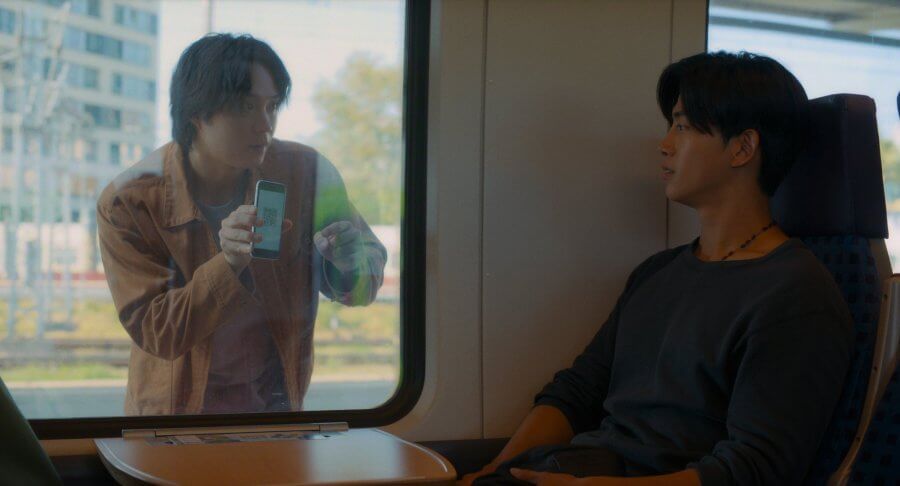
    Ever had one of those days where you just wish you could wake up as a different person? Not a superhero or a billionaire, just a version of yourself that doesn’t freeze up in meetings or overthink a “hello” to a coworker? That’s exactly the headspace Love Begins in the World of If (If no Sekai de Koi ga Hajimaru) taps into.

    When I first read the synopsis, I thought I was in for a standard parallel-timeline love story. You know the drill: guy meets magic, guy finds a “better” world, guy falls in love. But after finishing all six episodes, I realized the show is actually asking a much ruder, much more valid question: What if your life isn’t stagnant because the world is against you, but because you’ve stopped trying?

    The Plot: The “What If” Mirror

    The story follows Kano Akihito (Kotaro Daigo), a guy who is basically emotionally boxed in. He’s a former tech engineer who got moved to the sales department, and he’s struggling. Hard. He isn’t unlikeable, but he’s incredibly passive. He lets life happen to him rather than stepping into it.

    His foil is Ogami Seiji (Daisuke Nakagawa), the “ace” of the sales team who is everything Kano isn’t: confident, charming, and expressive. After a particularly rough day and a blow-up with Ogami, Kano wanders into a shrine and finds a mirror that promises to show him the person he wishes to become.

    Suddenly, he’s in a “Utopia.” In this new world, Kano is confident, his coworkers actually like him, and Ogami, the guy he’s been admiring from a distance, is looking at him with an intensity that is definitely not “just colleagues.”

    The “Ideal” Self vs. Reality

    What I loved about how this “upgrade” was handled is that it wasn’t just magic making things better. It showed that even in a “perfect” world, unless you reset your habits, everything eventually feels the same. Kano realizes that the reason everyone is nicer to him in the parallel world isn’t that they changed—it’s because he changed. He was more open, so they were more open.

    It’s a refreshing take. Usually, in these types of shows, the lead is rewarded just for enduring hardship. Here, the story argues that you have to notice yourself and actually prioritize your own growth. Frustratingly, growth requires effort, and the drama doesn’t shy away from showing how uncomfortable that is for someone like Kano.

    The Leads: Chemistry and Height Gaps

    Love Begins in the World of If Review

    Let’s talk about the actors, because they really carried the emotional weight here.

    • Kotaro Daigo (Kano): He’s great at playing “exhausted.” You can see the burnout in his eyes in the early episodes. When he transitions to the more confident version of himself, it’s subtle but effective.
    • Daisuke Nakagawa (Ogami): First off, the height difference between these two is massive and, quite frankly, adorable. Ogami is interesting because we don’t get much of his POV, but you can tell he’s observant. He isn’t a “savior” character; he doesn’t try to “fix” Kano. He just nudges him when he needs it.

    The romance itself is quiet. If you’re looking for a loud, fiery, “can’t keep our hands off each other” type of BL, this isn’t it. The tension comes from emotional hesitation, which felt surprisingly real. They have good chemistry, but it’s built on small moments—a look, a shared drink, a hand squeeze.

    But here’s the problem…

    As much as I enjoyed the vibe, the show really could have used two more episodes. At only six episodes (around 25 minutes each), the pacing feels like it’s constantly racing against the clock.

    • The Pacing: Some of the reflection scenes are beautiful, but others feel like they happen in fast-forward.
    • The Ending: The finale feels a bit too convenient. After all that build-up about internal change, the resolution with the romance felt rushed.
    • The “Bland” Factor: Because they were rushing to the finish line, the intimate scenes—especially the kisses—felt a little lackluster. They didn’t have that “fiery” spark that the middle of the show promised.

    Lighting and Music

    I have to give a shout-out to the production. The cinematography actually helps tell the story. The “real” world is shot in cold, clinical blues and greys, while the “parallel” world feels warmer and more inviting. It’s a simple trick, but it really elevates the watching experience. Also, the opening OST is a total bop—I didn’t skip it once.

    Worth the Watch?

    Overall, Love Begins in the World of If is a thoughtful watch. Maybe I went too far down the philosophical rabbit hole because I found Kano’s struggles so relatable, but I think most people will find something to like here.

    It won’t drown you in melodrama or spoon-feed you fluff. Instead, it lets you sit with the uncomfortable fact that sometimes the only way out of your misery is an internal change. It isn’t a life-altering masterpiece, but it’s a surprisingly reflective show that’s perfect for a weekend binge.

    Drama Info & Ratings

    • Title: Love Begins in the World of If (2025)
    • Episodes: 6
    • Genre: Romance, Fantasy
    • Main Cast: Daigo Kotaro, Nakagawa Daisuke
    • Where to Watch: Viki

    • Overall Score 8/10
    • Story 8/10
    • Chemistry 7/10
    • Cinematography 9/10
    • Rewatch Value: 6/10

    Check Out: Japanese BL “BL School Trip: Joined a Group” Review

  • Japanese BL “School Trip: Joined a Group I’m Not Close To” Review

    Japanese BL “School Trip: Joined a Group I’m Not Close To” Review

    Because I’ve been hanging around the J-BL scene for a while, I know that Japan has a very specific way of doing high school romances. They are usually either incredibly angsty or so sweet they’ll give you a cavity.

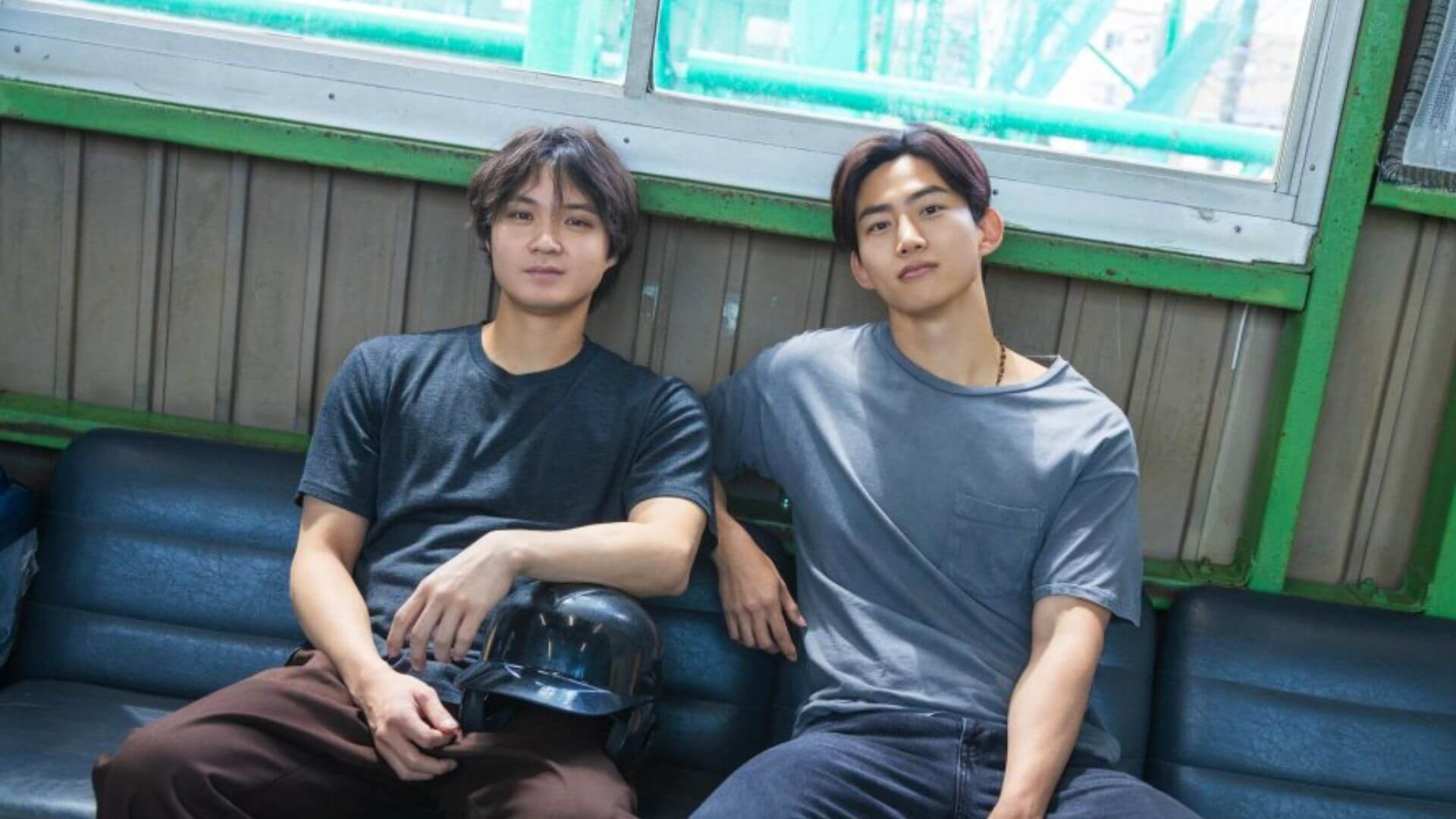
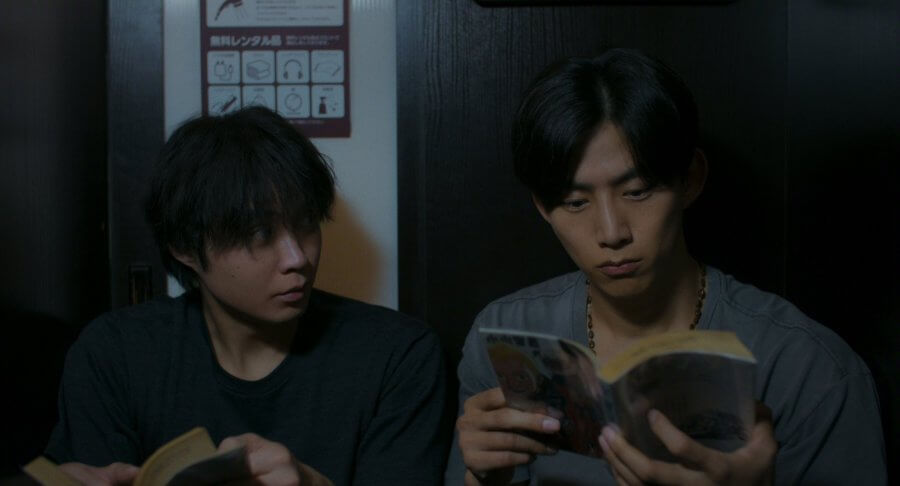
    School Trip: Joined a Group I’m Not Close To (Shugakuryoko de Nakayokunai Group ni Hairimashita) sits firmly in the “sweet” category, but with a surprising amount of heart and a lead couple that actually knows how to communicate.

    What immediately works here is the focus on a single main couple. I’m not against series with secondary couples, but giving the story this tight focus allows the emotions between Watarai and Hioki to fully breathe. The plot itself is simple—probably the most cliché out of clichés—but that simplicity is exactly why it works. It’s not a story that feels deeply personal, yet it hits in a strange, nostalgic way. 

    The Leads: A Masterclass in Eye Contact

    Joined a Group I’m Not Close To Review

    The performances elevate this straightforward story immensely. Fujimoto Kodai (as Hioki) carries his role with a natural ease that is impressive for his age. He’s shy, sure, but he’s also surprisingly direct. He asks what’s on his mind and isn’t wishy-washy at all, which is so refreshing for a “loner” character. I only wish his scream in that one scene was much, much longer—I was dying!

    Then we have Hideyoshi Kan as Watarai. This man’s eyes deserve their own acting credit. The intensity in his gaze, his patience, and the way he looks at Hioki communicate more than a ten-minute monologue ever could. Watarai plays the “cool guy,” but he’s clearly just as shy underneath it all, covering it up with that princely aura. Watching them grow together until Hioki eventually becomes the “leading man” in the finale was just perfect.

    The Reality of Teenage Love

    Watarai’s characterization isn’t flawless, though. His possessiveness occasionally gave me the “ick,” to be honest. But that imperfection is actually what makes him believable. Teenage love is messy, intense, and often a little too much. The show embraces that rather than sanitizing him into a “perfect boy” stereotype.

    I also appreciated the supporting cast. From the “Four Heavenly Kings” to the friends in the background, it added a grounded, lived-in feel to the story. That said, the “Handsome 4” concept was very Boys Over Flowers, but nicer because these boys are actually sweet. I did hate the idea they were pushing—that these guys are so adored by girls that they can’t even be friendly with classmates without a riot breaking out. It reinforces some pretty poor gender stereotypes. Seeing them run away from female classmates as if they were carrying a contagious disease felt a bit stupid and shallow.

    That Kissing Scene (Finally!)

    Joined a Group I’m Not Close To Review

    We have to talk about the physical intimacy. The skinship. I really wasn’t expecting a proper kiss from a high school J-BL. Usually, we get the “fish kiss” (you know the one—frozen lips, zero movement), which I would’ve almost expected since that’s how the novel describes it.

    But man? These two delivered. Watarai’s gentleness in the first kiss was mindful of Hioki’s inexperience, while the second escalated with a passionate intensity that felt like a natural progression. It didn’t even stop there; the seemingly improvised stolen kiss at the end suggested the actors fully understood the emotional beats of the scene. It grounded the romance in something authentic.

    Final Verdict: A Heartfelt Escape

    Beyond the romance, what really gives this show its heart is the way the “Four Heavenly Kings” end up adopting Hioki. It’s not just Watarai looking out for him; it’s the whole group. There’s something so wholesome about seeing these “elite” guys—who could easily have been arrogant—go out of their way to make Hioki feel like he belongs. Whether it was natural wingman moves like holding hands in the rain to support Watarai or simply including Hioki in their seating arrangements and beach trips, they treated him like the fifth member of their group from day one. For a kid who started the trip feeling isolated and invisible, that sense of belonging was probably just as life-changing as the romance itself. It’s a reminder that sometimes, the best part of a “love story” is the friendship that makes you feel safe enough to fall in love in the first place.

    Also, the idea that the “Four Heavenly Kings” are actually terrible at talking to women, but Hioki, our nervous and awkward loner, can just speak to women casually and has friends who are girls, was a great flip on the trope. 

    This isn’t a BL for those who demand tightly plotted, high-prestige narratives. It’s a simple, heartfelt story that reminds you why you fell in love with this genre in the first place. To be reciprocated by someone you don’t expect, after waiting so long, is the best feeling in the world. Sometimes we just need a little escape from reality, and this show provided exactly that.

    Overall Rating: 8/10

    • Story: 8/10
    • Chemistry: 9/10
    • Acting: 9/10
    • Rewatch Value: 8/10

    Show Info

    • Episodes: 10
    • Cast: Hideyoshi Kan, Fujimoto Kodai
    • Where to Watch: GagaOOLala
    • Genre: High School, Romance, BL

    Check Out: Japanese BL “Love Begins in the World of If” Review

  • Our Universe Review (Eps 1-4): Baby Woo-joo and the Co-Parenting Life

    Our Universe Review (Eps 1-4): Baby Woo-joo and the Co-Parenting Life

    When the first posters for Our Universe (I’ll Give You the Universe) dropped, everyone was immediately pointing out the similarities to the 2010 Hollywood rom-com Life as We Know It. And they weren’t wrong. It is a remake of that Katherine Heigl and Josh Duhamel classic, but with that specific, slow-burn K-drama emotional weight that makes a familiar story feel brand new.

    The setup is a total nightmare scenario for the leads but a dream for trope lovers: two in-laws who can’t stand each other are forced to raise their orphaned nephew together. It’s “forced proximity” at its peak. Here’s a breakdown of the first four episodes as our reluctant parents start to navigate their new reality.

    Episode 1 Recap: The Collision

    Episode 1 introduces us to Seon Tae-hyeong (Bae In-hyuk), a freelance photographer who lives for his personal space, and Woo Hyeon-jin (Roh Jeong-eui), a hardworking corporate climber. They are related by marriage—Tae-hyeong’s brother was married to Hyeon-jin’s sister—but they’ve barely interacted except for a few awkward family gatherings where they rubbed each other the wrong way.

    The drama wastes no time getting to the tragedy. A sudden car accident takes the lives of both their siblings, leaving behind 20-month-old Woo-ju (whose name literally translates to “Universe”). The episode is heavy on the grief, showing the two leads dealing with the shock while trying to comfort a baby who doesn’t understand why his parents aren’t coming back.

    Episode 1 Review

    Our Universe Episodes Review

    This was a gut-punch of an opener. Usually, rom-coms skip over the dark stuff, but Our Universe sits with the sadness. Bae In-hyuk is great at showing that “frozen” type of grief, while Roh Jeong-eui brings a more frantic, desperate energy. The introduction of the baby, Park Yu-ho, is the highlight—he’s genuinely adorable and makes the stakes feel very real.

    For me, Bae In-hyuk is carrying this series on his back right now— he is warm and engaging as Tae-hyeong. On the other hand, the female lead, Hyeon-jin, is inconsistently written, which makes her kind of unlikable so far. Maybe another actress could have made her feel more charming in her frustration, but right now, I am not super fond of her. Also, Roh Jeong-eui’s appearance is truly alarming at times— whenever she wears t-shirts or skirts, she is so thin that it cannot possibly be healthy for an adult woman to be so skinny. Whoever told her she needed to lose weight for this role (or any role) deserves jail time. I find it hard to believe her “girl boss” energy because she just looks tired and frail in most scenes. 

    Episode 2 Recap: The Cohabitation Contract

    In Episode 2, the logistics of the tragedy set in. Neither Tae-hyeong nor Hyeon-jin wants to give Woo-ju up to the system, but neither can handle a toddler alone. Tae-hyeong is a “free spirit” with no schedule, and Hyeon-jin is a corporate slave who can’t take a leave of absence without losing her job.

    After a series of failed babysitting attempts and a few explosive arguments, they come to a desperate conclusion: they have to live together. They move into the house their siblings once shared, setting up a strict “co-parenting contract” to manage childcare shifts and household expenses.

    Episode 2 Review

    Episode 2 brings the “com” back into the rom-com. Watching two people who hate each other try to figure out how to change a diaper or soothe a crying baby is classic comedy gold. The “forced cohabitation” setup is a bit of a cliché, but because it’s born out of necessity for the baby, it feels more grounded than your average drama. But let’s be real: if you look past the cuteness of the baby, the writing is pretty thin. 

    Honestly, Hyeon-jin doesn’t really have “Main Character” energy for me yet. At this point, I’d actually rather watch Tae-hyeong and the Team Leader raise the baby together—now that would be a show.

    Episode 3 Recap: The “Universe” Shifts

    Episode 3 focuses on the cracks in their professional lives. Tae-hyeong tries to bring Woo-ju to a photo shoot, which goes about as well as you’d expect (lots of crying and broken equipment). Meanwhile, Hyeon-jin’s boss and former college senior, Park Yun-seong (Park Seo-ham), starts sniffing around her personal life, suspicious of why she’s suddenly so distracted.

    The episode ends with a tender moment where Tae-hyeong and Hyeon-jin finally stop bickering for five minutes to share a meal. They realize that while they lost their siblings, they are the only two people in the world who truly understand what the other is going through.

    Episode 3 Review

    I really liked the pacing in Episode 3. It moved away from the “diaper jokes” and started exploring the emotional toll of being a surrogate parent. The chemistry between Bae In-hyuk and Roh Jeong-eui is starting to simmer. It’s not a “fireworks” kind of love yet; it’s more of a “we’re in the trenches together” kind of respect, which I like. 

    HOWEVER, I am getting majorly annoyed with the constant “Sunbae! Sunbae!” that’s going on in the episode. WHY DO WE NEED A LOVE TRIANGLE?? This show has a lot of other material it could use— we have Tae-hyeong’s photography dreams, the backstory of the dad in prison, the actual struggles of co-parenting. We really don’t need a third wheel dragging the pace down. It grates me that Kdrama-land always creates a second male lead as the go-to source for creating tension— we don’t need it. Also, regarding Roh Jeong-eui’s acting: while this might be her “best” role so far, I find her range of expressions quite limited. I am not 100% sure, but I feel like if this was a slice-of-life show about two people becoming best friends while raising a kid, it would be so much more interesting than forcing a romance between them.

    Episode 4 Recap: Secrets and Second Leads

    our-universe-baby-woojoo-myasianbinge

    In Episode 4, the tension ramps up as Hyeon-jin tries to hide her living arrangement from her colleagues. She’s terrified that being a “single mom” (or the equivalent of one) will kill her career prospects.

    However, Yun-seong discovers the truth and offers to “help,” which immediately triggers Tae-hyeong’s protective (and jealous) instincts. We also get a glimpse into Tae-hyeong’s past—he was abandoned in an orphanage by the very brother he’s now grieving, which explains why he’s so determined not to fail Woo-ju.

    Check Out: K-drama “The Art of Sarah” Review

    Episode 4 Review

    The Episode 4 review is a bit of a mixed bag for me. On one hand, the character development for Tae-hyeong is beautiful. Learning about his abandonment issues makes his bond with the baby so much more poignant. On the other hand, the introduction of the “jealous second lead” feels too old-school. I want the Second Male Lead out by next week. Jeballlll! 😭Every time he shows up, the story starts to drag. We only have 12 episodes; I don’t want to waste them on a stale love triangle. 

    Tae-hyeong’s backstory about being abandoned in an orphanage is a great touch, and Bae In-hyuk plays those vulnerable moments perfectly. He makes the “generic” ML role actually have some soul and charm. I just wish the writing for the FL, and the overall plot, were better thought-out because right now, the show feels middling to me. 

    Final Thoughts on Episodes 1-4

    Overall, Our Universe is a solid “healing” drama, one that handles its remake material decently well. It’s a 12-episode series, so we’re a third of the way through, and I’m interested to see how this makeshift family evolves. But, I must say, for all its cuteness, it is flawed— outside of Bae In-hyuk and a top-tier baby actor, the script has me rolling my eyes. I’m staying for the “Samchon” (uncle) vibes, but I’m praying they resolve the SML drama quickly.

    My Rating So Far: 7/10