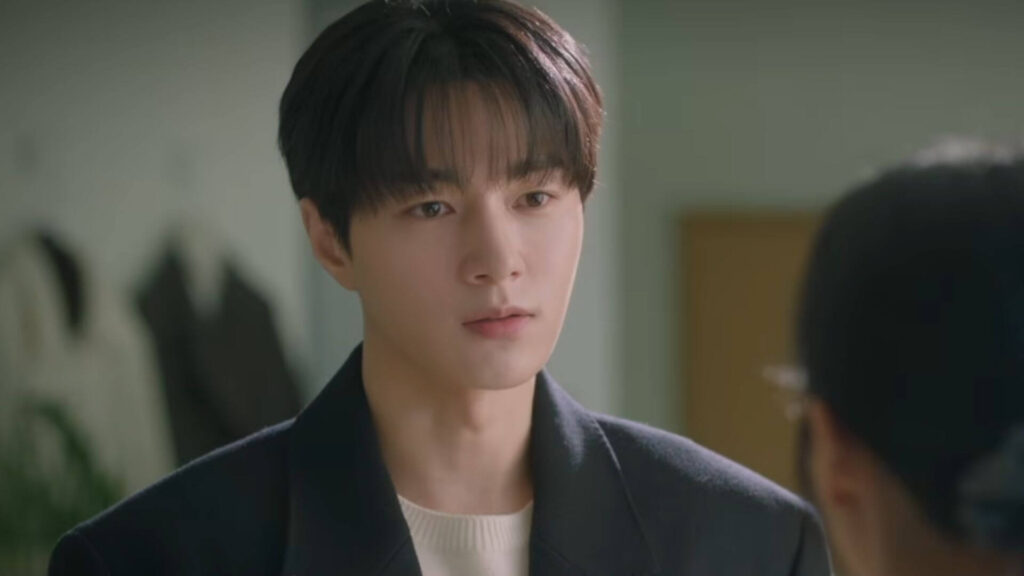
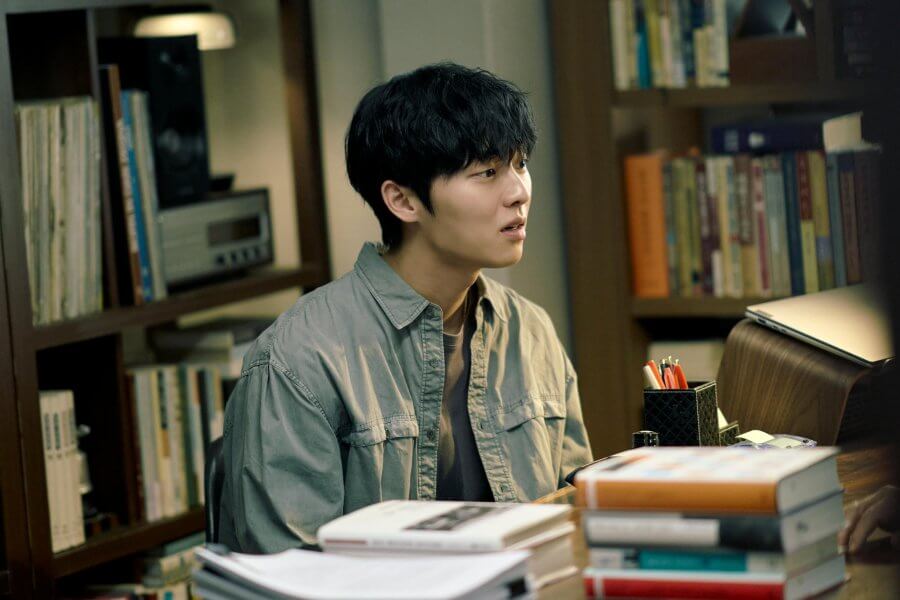
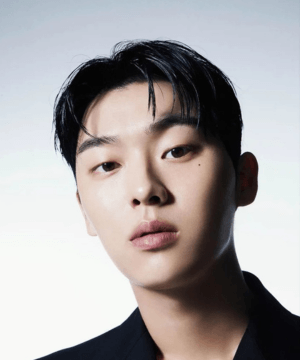
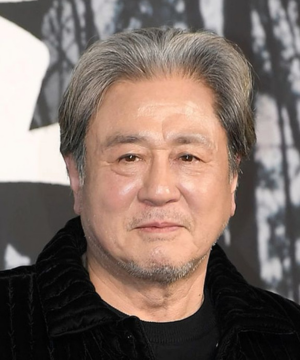
Officially screaming because Nam Joo-hyuk is finally back from the military! I was so excited for his big comeback role, and The East Palace (동궁) did not disappoint. On July 17, 2026, Netflix absolutely blessed us by releasing all eight episodes at once, and I immediately ran to my room to binge-watch the entire series.
This show has everything I wanted: ghost hunting, creepy supernatural creatures, and plenty of shady royal politics. I was completely hooked from the start. At the heart of the story is a terrifying curse that has haunted the kingdom for 30 years, killing every crown prince one after another. With the royal bloodline on the verge of extinction, the desperate king recruits a rogue exorcist and a cursed court lady to hunt down a murderous pond spirit before it’s too late.
I highly recommend this series if you loved the historical horror of Kingdom or the chilling shamanistic folklore of The Guest. It delivers the same pulse-pounding suspense while adding a parallel spirit world filled with monster hunting that occasionally reminded me of Stranger Things. The atmosphere is wonderfully creepy, and I was entertained from the very first minute until the very end.
The East Palace Starts Strong (Episodes 1-4)
The series throws me straight into the deep end in Episode 1 with an unexpected royal funeral. The Crown Prince suddenly dies from a mysterious poisoning, sending the entire palace into panic. That’s when the king reveals the terrifying legend of the cursed pond spirit that has haunted the royal family for the past 30 years, and I was instantly hooked.
Image Credit: Netflix
Episode 2 focuses on my favorite character, the wild antihero Gu-cheon (Nam Joo-hyuk), as he begins taking the king’s mission more seriously and starts investigating the palace’s supernatural mystery. He’s arrogant, sarcastic, lazy, and completely unpredictable, and I fell in love with him almost immediately (as if I hadn’t already in Episode 1!) He’s also one of the few people who can cross into the orange-tinted spirit world known as the Realm of Gwi, where ghosts and terrifying monsters roam.
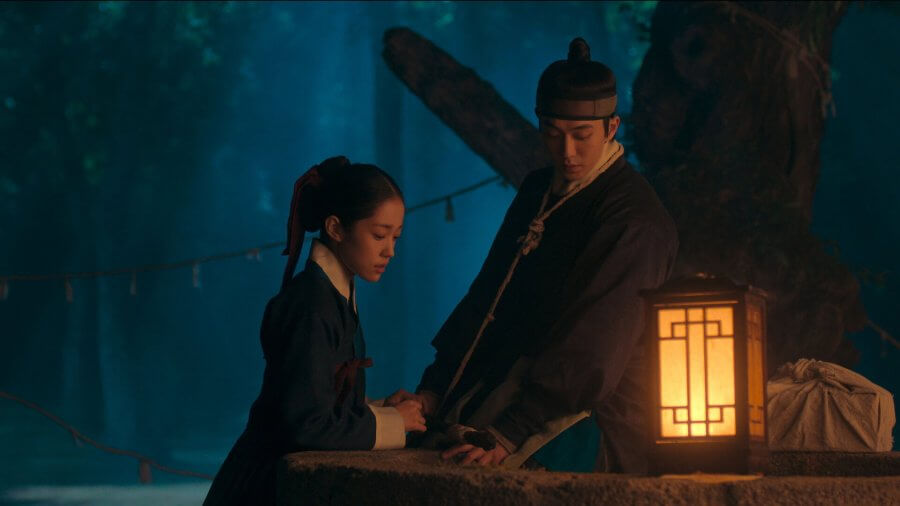
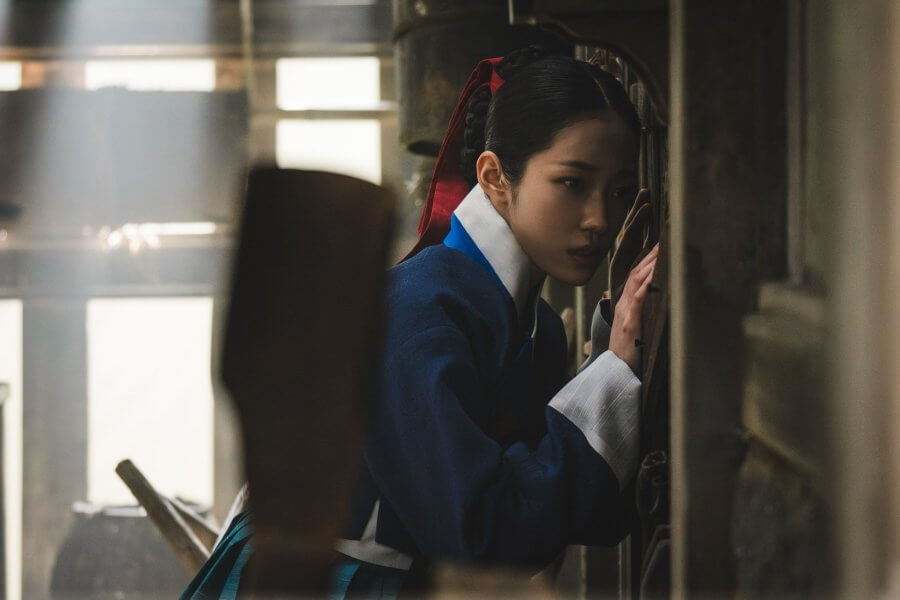
Gu-cheon is reluctantly forced into the king’s service under threat of execution. In Episode 3, King Yi Yeon (Cho Seung-woo) tries to keep him on a tight leash by pairing him with Saeng-gang (Roh Yoon-seo), a quiet, observant court lady who can hear the voices of the dead. I absolutely loved her vibe from the moment she appeared.
By Episode 4, their constantly bickering partnership had completely won me over. Watching them investigate the haunted prince’s chambers, uncover hidden talismans, face terrifying spirits, and stumble into dangerous political conspiracies around every corner was easily one of my favorite parts of the series.
The Best Parts of The East Palace (And Where It Falls Short)
I absolutely loved the visual effects in this show, and I’m obsessed with its production style. The director brings so much energy to the ghost-fighting scenes, making them feel fast, exciting, and almost anime-like. The makeup department deserves a huge raise because the humanoid spirits look genuinely creepy and unsettling. I also completely fell in love with the little furry spirit companion that follows Gu-cheon around and somehow manages to save his life at just the right moment every single time. It’s the perfect amount of comic relief without taking away from the horror.
Image Credit: Netflix
For me, the biggest win is the partnership between Gu-cheon and Saeng-gang. I love that the series never forces a romance between them. Instead, their relationship is built on hilarious bickering, genuine trust, and protective moments. Saeng-gang is an incredible female lead. She’s smart, fearless, and refuses to bow down, even in front of royalty. I honestly wanted to stand up and applaud during her confrontation with the steely Queen Dowager, played by Jang Young-nam.
That said, I have to admit the series loses some momentum in the middle. Episodes 5 and 6 start to stumble as the story becomes more ambitious. The rules surrounding spiritual yang energy and the different types of ghosts become so complicated that they sometimes distract from the urgency of the main plot. The series also relies a little too much on back-to-back plot twists that don’t always feel earned. Some characters suddenly make confessions that completely contradict their earlier motivations, and I was left scratching my head… thinking, “Wait… what?”
From a technical standpoint, I also have one major complaint. Like many modern shows, some of the nighttime scenes are just too dark. There were moments when I could barely see what was happening, whether it was the beautifully choreographed sword fights or even Nam Joo-hyuk’s handsome face.
By the second half of Episode 7 and throughout Episode 8, the real horror is no longer supernatural. It’s human greed. I loved how the mystery unfolded into a tangled web of royal secrets that completely exceeded my expectations. What started as a ghost-hunting story became something much darker and far more emotional.
In the final battle, Gu-cheon faces the Crown Prince’s spirit in the ruined courtyard of the Realm of Gwi in an incredible, gravity-defying duel with serious wuxia vibes. To save Saeng-gang’s life, he makes a devastating bargain with the primordial Gwi-mae, who gives him a weapon powerful enough to destroy an ak-gwi in exchange for his eternal servitude in the spirit world.
The king survives, but his punishment is far worse than death. Instead of losing his throne, he is left to live with the thousands of angry spirits created by his family’s greed. Meanwhile, Gu-cheon and Saeng-gang walk out of the palace together, but the final shot reveals a black spiritual chain wrapped around Gu-cheon’s hand, stretching into the spirit world and reminding us that he is now bound to his bargain forever.
The finale delivers a jaw-dropping ending. Gu-cheon is forced to make an incredible personal sacrifice to save Saeng-gang, and the final battle inside the Realm of Gwi is both visually stunning and emotionally heartbreaking. It brings the central mystery to a satisfying conclusion while leaving the royal family forever changed by the consequences of their own actions. At the same time, it leaves just enough unanswered questions to make me excited for what could come next.
Nam Joo-hyuk’s return to K-dramas is an absolute triumph. I loved his performance, and the entire cast brought so much emotion to their characters. If I could overlook the overly dark nighttime scenes, which honestly wasn’t always easy, this drama would be an even bigger winner for me. I also loved the addition of the parallel spirit world that mirrors the palace. It gave the supernatural story a fresh twist that made it stand out from other ghost and paranormal dramas I’ve watched.
Will There Be a Season 2?
Since Netflix has only just released all eight episodes, there’s no official word on a second season yet.
That said, the ending definitely leaves the door wide open for another chapter. While the mystery surrounding the pond spirit is fully resolved, Gu-cheon’s fate is anything but. His bargain with Gwi-mae raises plenty of questions about what his future in the spirit world will look like, making him the biggest reason I want another season.
The writers also spent a lot of time building the mythology of the Realm of Gwi, and it feels like there’s still so much more to explore. Considering the excitement surrounding Nam Joo-hyuk’s long-awaited return, I wouldn’t be surprised if The East Palace earns a second season if it performs well for Netflix.
My fingers are definitely crossed because I’m not ready to say goodbye to Gu-cheon and Saeng-gang just yet.
✦ Watch This If You Loved
Highly recommended for fantasy fans who love intense ghost action, dark historical settings, and a strong non-romantic partnership between the leads.
This is officially on my summer watch list, guys! On July 13, 2026, Dream to You (그대에게 드림) finally premiered, and WOW, it completely won my heart! I can’t get enough of this pure and refreshing second-chance romance. After months of intense and suspenseful K-dramas, it feels like the perfect time for a truly fluttery romance, and this drama delivers exactly that. From the very first minute, it gives us the perfect mix of tension, chemistry, and bittersweet longing.
The story follows a beautiful second chance at love. Our female lead once dreamed of becoming a film director and had a strong passion for the industry. However, years later, she has become a hardworking TV reporter in her thirties and has slowly left those dreams behind. Meanwhile, the male lead grew up under strict parents who made him feel trapped until he finally broke free and chose to follow his own path. Throughout his twenties, he worked hard to achieve his dreams and eventually became an award-winning genius filmmaker.
After fifteen years apart, the two unexpectedly cross paths again, and the emotional storm between them is truly unforgettable.
If you’re looking for a positive romance drama with amazing chemistry that will instantly put a smile on your face, I highly recommend this series. Its emotional feel is very similar to beloved slice-of-life reunion romances like Our Beloved Summer and Welcome to Samdal-ri. If you enjoy stories where childhood sweethearts separate for complicated reasons and reunite years later as completely different adults, this is definitely a must-watch.
Dream to You Episodes 1 and 2 Review | Massive Chemistry and Nostalgia
The first week of the premiere was so exciting. In Episode 1, we get to witness the whirlwind of their grown-up reunion. The episode introduces the lovely Lee Hye Ri as Ju I Jae, who is caught in the middle of a hectic situation with her producer when she suddenly sees her first love from childhood. She freezes completely and tries to hide herself in panic.
Hwang In Youp stars as Woo Su Bin, a charming and highly successful director who immediately recognizes her. He walks toward her with the easiest, most heart-stopping smile, and the contrast between Ju I Jae’s nervous panic and Woo Su Bin’s calm confidence is so entertaining to watch.
Image Credit: JTBC
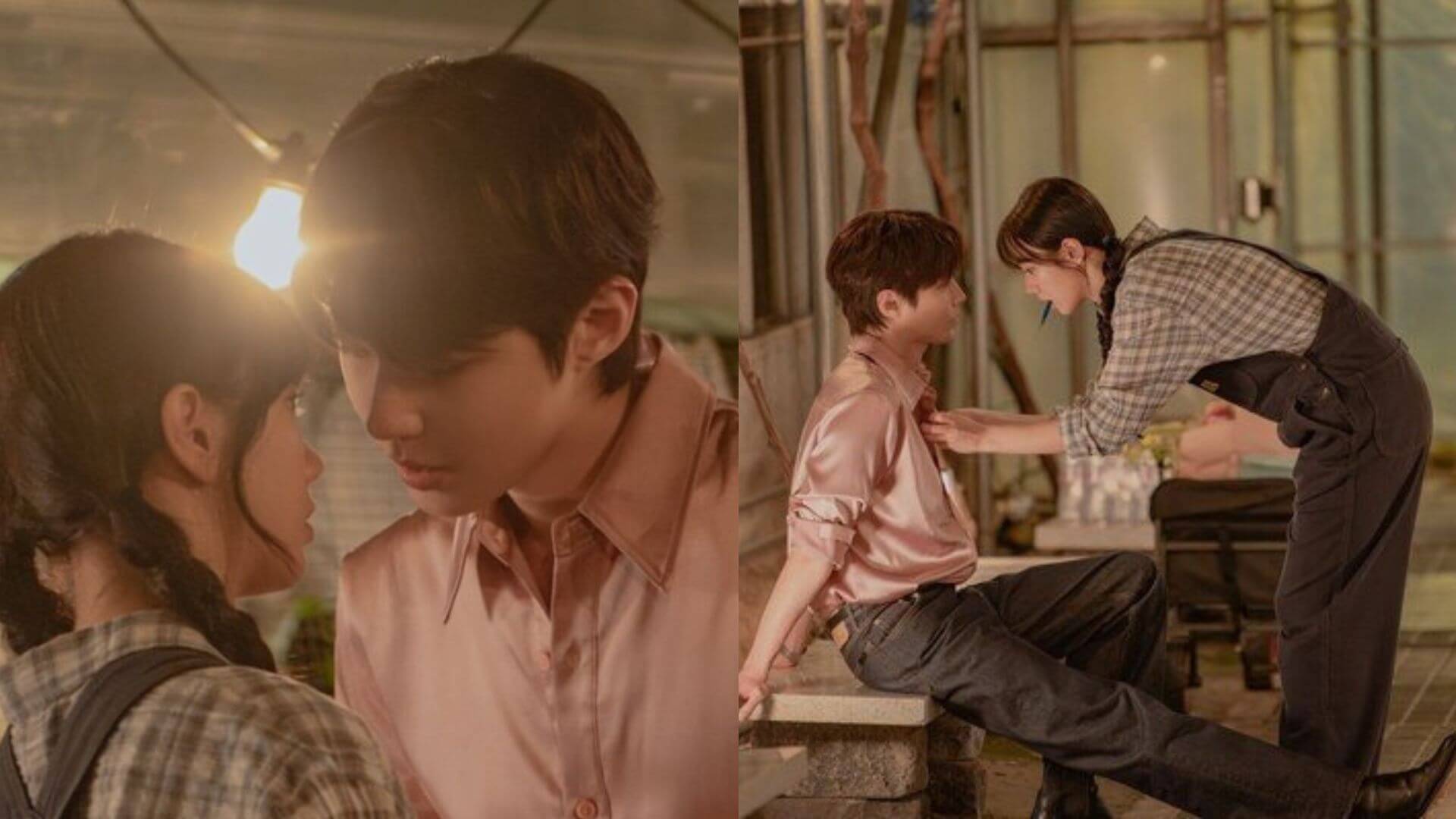
Their chemistry is obvious from their very first conversation. Feeling frustrated about her career while seeing how successful he has become, Ju I Jae hilariously blurts out a lie that she already has a husband and a child. Of course, Woo Su Bin immediately sees through her weak excuse. He playfully takes her hand and teases her during their close stairwell encounter before leaving with a cheeky smile. This moment was such a heart-fluttering scene, and I completely understand why everyone is obsessed with it!
The story flows naturally into Episode 2, where we get to explore their past in more detail. The drama brings back beautiful memories from their high school years with a charming retro style, including old VHS stores, colorful stickers, and a vintage camcorder. These scenes beautifully show how Ju I Jae was the person who first inspired Woo Su Bin to follow his passion for filmmaking.
Episode 2 does a wonderful job of increasing the emotional depth of their relationship. It is clear that Woo Su Bin is not affected by Ju I Jae’s cold and defensive attitude. He is determined to stay by her side, and his gentle pursuit of reconnecting with her is giving me all the butterflies.
I can’t say I didn’t notice the flaws in the premiere week, because I definitely did. However, I love the cast so much that these issues were easier to overlook. The supporting characters sometimes feel like they are added a little too suddenly. We are introduced to Shim Yoo Geon (Baek Sung Chul), a young actor who struggles with his fear of being filmed in close-up shots. We also meet Oh Ha Na (Lee Yul Eum), a rising young star. The drama also features Lee Sang Yeob as Seo In Uk, the CEO of a film production company.
Image Credit: JTBC
The pacing can feel a little crowded at times, as the drama tries to introduce many characters and storylines within the opening episodes. The comedy is definitely one of its strengths, but some transitions between Seo In Uk’s exaggerated and quirky moments and the quiet, nostalgic high school flashbacks feel slightly awkward.
Despite these small issues, the overall experience after two episodes is still highly positive. The emotional core of the story works beautifully because the central relationship is supported by incredibly strong performances. The dialogue feels natural, the comedic timing is excellent, and even the distracting camera work eventually fades into the background because the chemistry between the leads is so strong.
Dream to You Episodes 1-2 Verdict
The first week of Dream to You ends on a beautifully emotional note. In Episode 2, we see our leads caught together in the rain during one of the most emotional moments of the premiere. It is heartbreaking for Ju I Jae to realize that the dreams she once had never came true, especially while standing in front of the person who managed to make those dreams a reality.
She confronts Woo Su Bin, not only because she wants to remind him that he was once her first love, but also because she feels hurt by everything that happened between them. When she takes the umbrella from him and tells him to “feel the bottom of it,” we finally learn that their painful separation fifteen years ago was caused by a tragic misunderstanding involving Woo Su Bin and his wealthy, controlling father.
As Ju I Jae walks away alone in the rain, it feels like she is trying to protect her pride and hide the pain of her current reality. Meanwhile, Woo Su Bin stands there completely soaked, watching her leave with eyes full of longing, regret, and unwavering devotion.
I am so excited to see how their relationship develops in the upcoming episodes because it is already clear that our Su Bin has no intention of giving up on her.
✦ Watch This If You Loved
Highly recommended for romance fans who love emotional longing, childhood sweetheart reunions, and incredible chemistry between the leads.
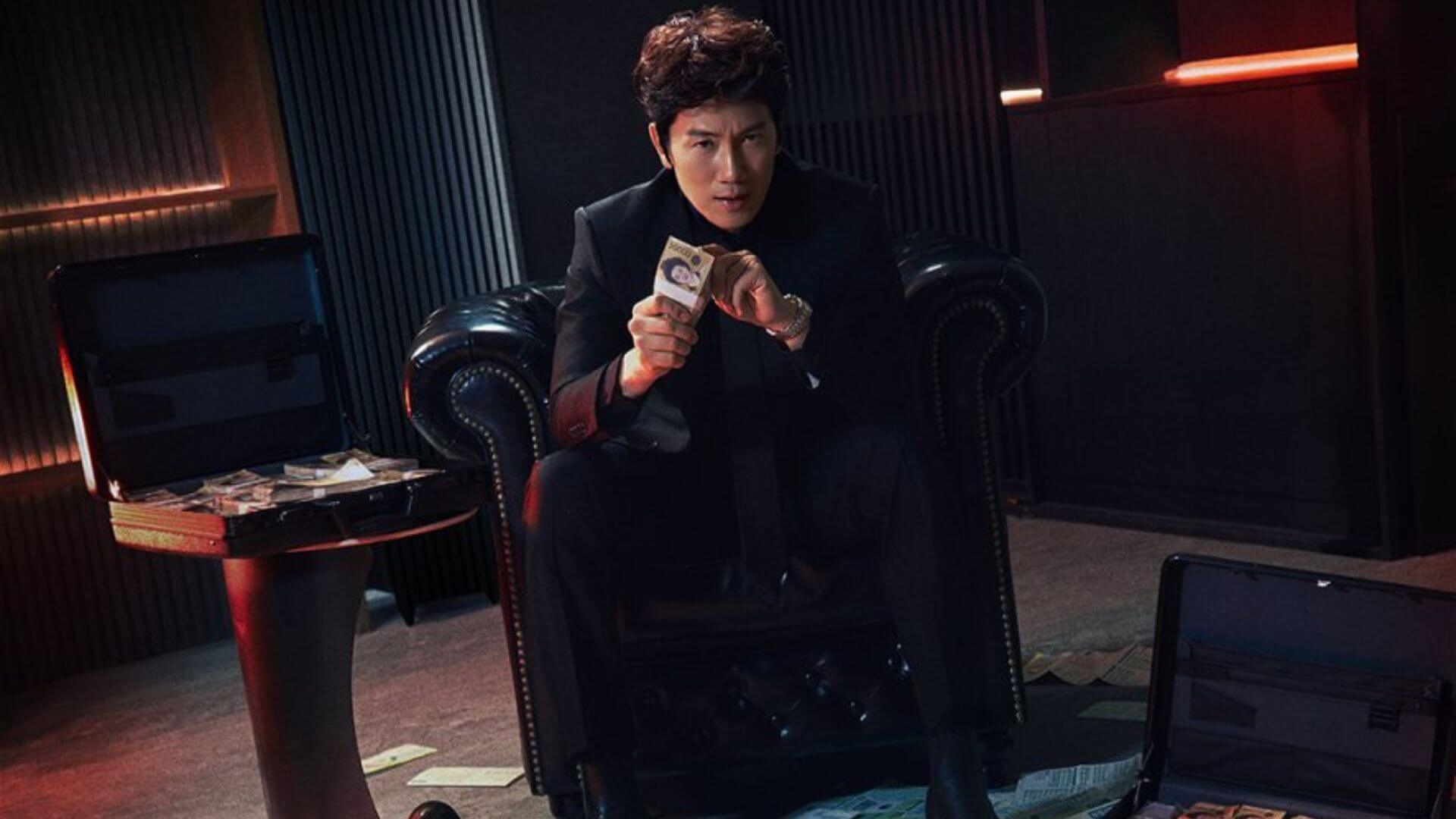
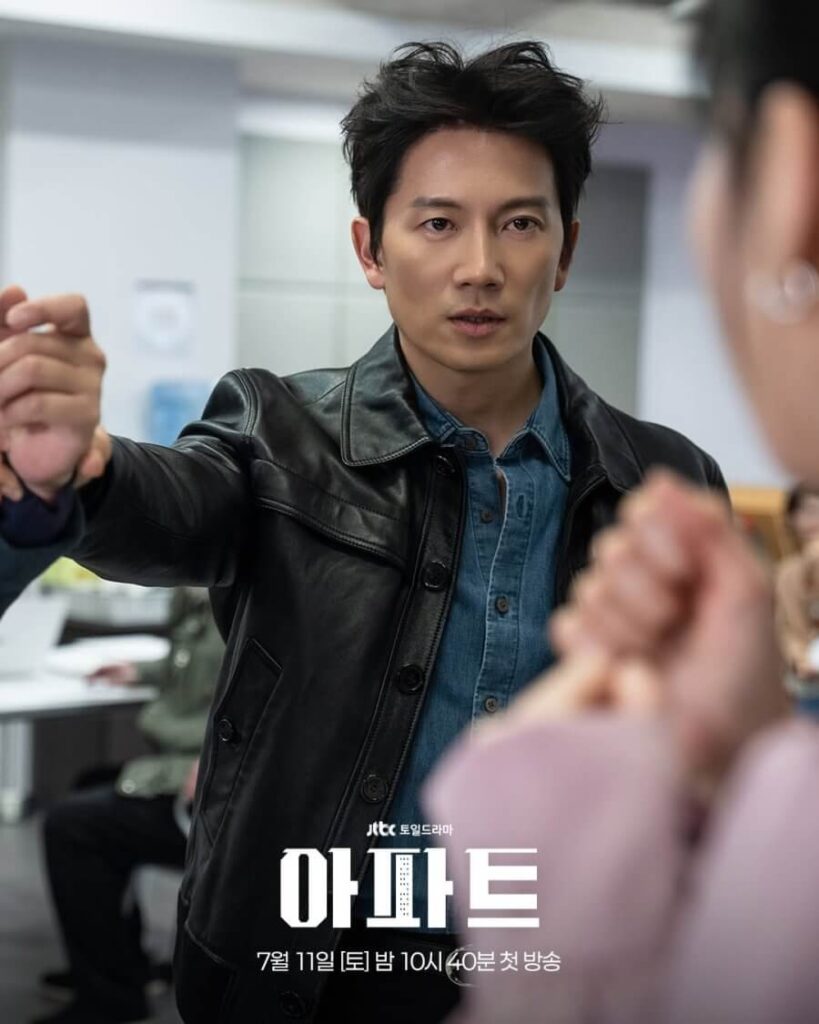
I am completely obsessed with this premiere. On July 11, 2026, the universe blessed us with a phenomenal comedy-crime series. Our favorite king of intensity is back, and he has finally landed a thrilling, hilarious, and action-packed K-drama that feels like the perfect spiritual successor to classics like Chief Kim (Good Manager). If you love underdog stories, unlikely team-ups, and characters who end up doing something genuinely good for their community, then this drama is absolutely for you.
From Episode 1, I was instantly hooked by the premise. We follow a former gang boss who suddenly finds himself desperate for money. To save the father figure he deeply admires, he comes up with a wild plan to infiltrate a massive apartment complex and get his hands on ten billion won. His goal is to become the president of the residents’ association and uncover the hidden cash tied to the building. Teaming up with an equally desperate aspiring lawyer, he sets this outrageous scheme into motion. But as they carry out their plan, they become entangled in deep-rooted local corruption and unexpectedly find themselves turning into unlikely neighborhood heroes.
What I Loved in the Premiere Episodes
I laughed my ass off throughout Episode 1 because of the sheer stupidity of this makeshift crew. The pacing is incredibly fast, and the premiere covers so much ground without ever losing momentum.
My personal highlight is definitely the fabulous comeback of Ji Sung in a full-on comedy role. He has spent the past five years playing dark, brooding characters, so it’s such a joy to see him show off his incredible comedic timing again. He gives Park Hae-gang an energetic, unpredictable charm that constantly reminds you you’re following a literal criminal.
Image Credit: JTBC
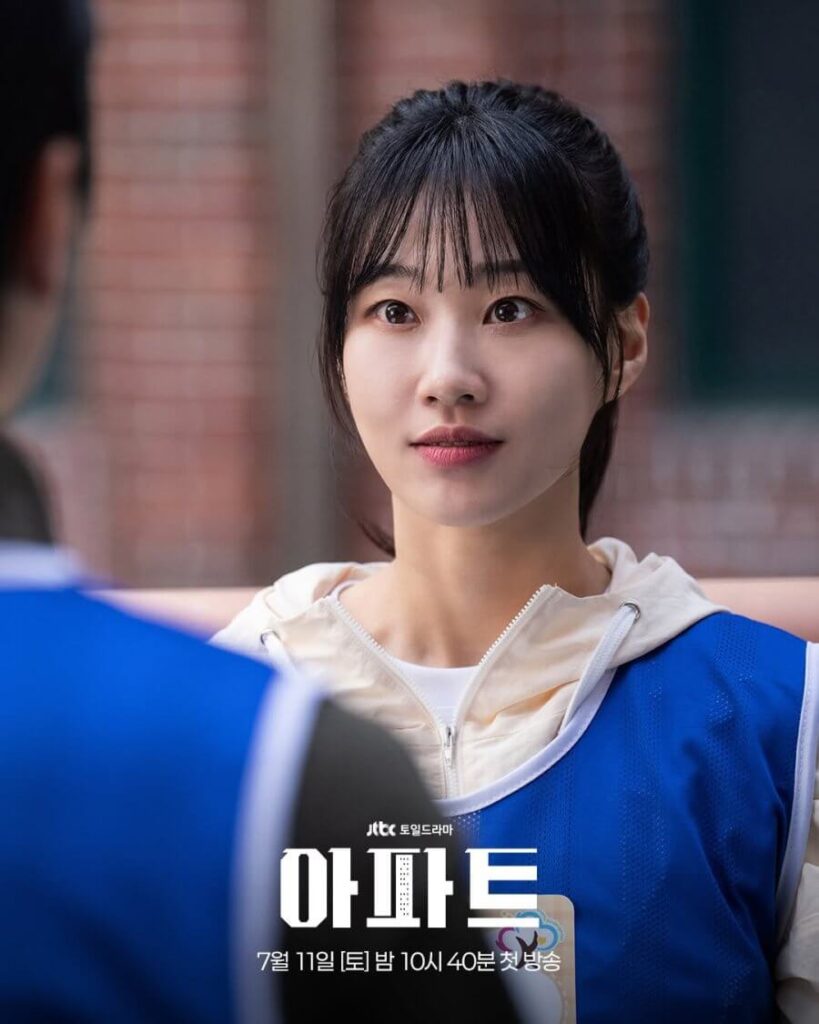
The absolute scene-stealer of these first two episodes, though, is the female lead. Kang Ha-ri (Ha Yoon-kyung) is absolutely amazing. Her facial expressions alone are comedy gold. Every time someone mentions money and she immediately responds with a completely blank expression, I couldn’t stop laughing. Ha Yoon-kyung also brings a refreshing confidence to Kang Ha-ri that makes her even more lovable. And the chemistry between the two leads? It’s electric right from the start.
This K-drama isn’t your typical slow-burn romance. Instead, it throws the leads into a fake wedding to establish their cover. During the ceremony, there was this hilariously awkward fake thumb kiss that I honestly don’t know how to describe. It was ridiculous, adorable, and somehow completely brilliant. That scene made me squeal.
The supporting cast is just as strong, taking the comedy to another level. Their plan to blend in by gathering the apartment residents for a fake family photo is pure situational comedy at its best. Every member of this chaotic team brings something unique, and together they make every scene even funnier.
I also loved Je-gi (Hwang He), whose running gag of threatening to throw terrible people off a building whenever he gets frustrated never stopped being funny. Every encounter with the bizarre neighbors and the fake grandfather is pure entertainment. The drama also gives its veteran character actors plenty of screen time to show off their incredible comedic talent, and they absolutely deliver.
Even though I’m completely enjoying this ride, I can’t help but point out a few minor issues with Episode 2. The middle of the episode slows down as the drama spends more time explaining how the apartment complex and its residents’ association work.
Image Credit: JTBC
The lengthy explanations about maintenance fees, procurement budgets, and the finances of a complex with more than ten thousand households slow the pacing after the action-packed first episode. The drama also introduces a huge number of characters all at once, including hostile neighbors and corrupt police officers, making it easy to lose track of who’s who when everyone is introduced so quickly.
Another thing that stood out to me was how convenient some parts of the setup feel. Some of the character arcs lean a little too heavily on familiar stereotypes, especially with how easily our protagonists manage to work their way into these private residential networks without going through many verification checks.
The dynamic between the two sisters, however, adds an entertaining layer of deception. Both are hiding their true financial motivations from each other, creating a relationship built on lies and self-interest. It keeps the tension high and makes the story even more interesting, even if some parts of the setup feel a little too convenient for a lighthearted crime comedy.
The Apartment Job Episodes 1-2 Verdict
Although I have a few minor issues with the structure, I’m still giving this premiere a big thumbs up. The opening heist storyline does a fantastic job of introducing the show’s world while creating a wonderfully chaotic and entertaining team dynamic. It gives you a clear understanding of what this series is trying to be, and it absolutely succeeds.
Episode 2 ends by perfectly setting up the upcoming battle for the residents’ association presidency between the calculating Park Byung-eun (Lee Chung-won) and the formidable Moon So-ri (Jang Suk-jin). With our fake family successfully earning the trust of the apartment complex, it’s clear the real chaos is only just beginning.
I’m confident the show’s relentless pacing, sharp comedy, and fantastic performances from the lead cast will keep this momentum going as we head into Episodes 3 and 4 next weekend. This has officially become my new weekend obsession, and July 18 can’t come fast enough.
✦ Watch This If You Loved
Highly recommended for anyone looking for a fast-paced, witty crime comedy packed with clever underdog heists, lovable characters, and nonstop laughs.
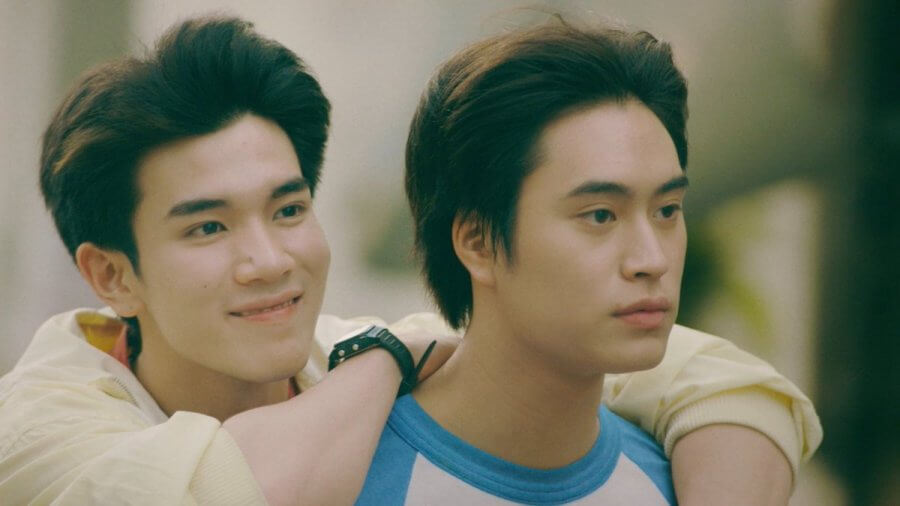
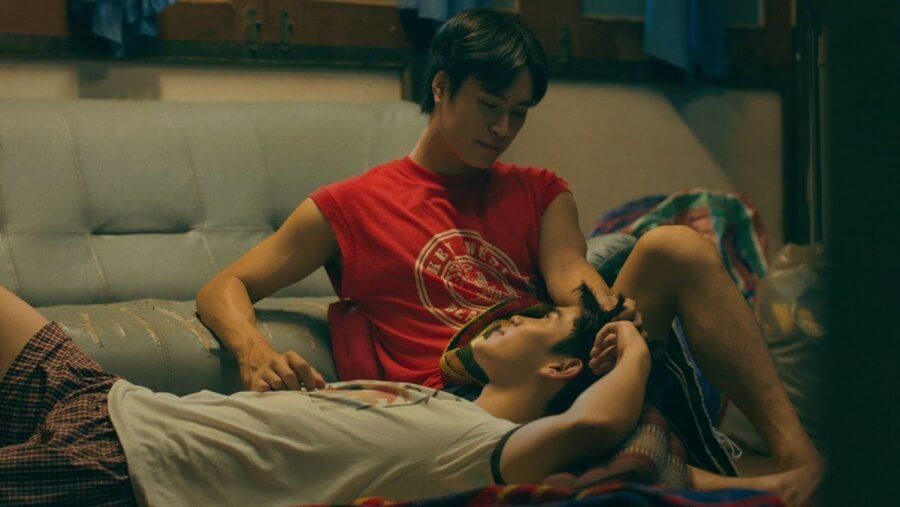
Lately, It’s Winter Season is a much-awaited Thai BL series that premiered on May 14, 2026 and quickly made fandoms go crazy in the best way possible. It is an energetic, emotional friends-to-lovers story set within the beloved Fourever You universe. The series blends soft romance, intimate home scenes, and deeper family drama, making it a must-watch for BL fans who enjoy warmth along with emotional intensity.
From the very beginning, the story pulls viewers into the busy lives of university students dealing with sports, survival, and hidden longing. At the center is the strong emotional pull between a lonely boy from a powerful and dangerous family and his highly intelligent classmate. The series is built on a slow-burn romance that lingers in every glance and interaction, slowly building tension that grows more intense over time.
Sudden Punches and Football (Episodes 1-3 Review)
Image Credit: WeTV
The story starts with high energy during the university football team selection process. Tiger (Pie Saranvut Nittayasuthi), the youngest son of a powerful and intimidating family, struggles with direction in life. He appears reckless and emotionally lost, but underneath that is a deep loneliness he does not know how to handle.
Everything changes when he meets Nao (Golf Pasatorn Lertsathitwong), a bright and cheerful student who feels like pure sunlight in comparison. Their first meeting turns into a funny misunderstanding, ending with Nao unexpectedly punching Tiger in the face.
This moment in Episode 1 sets the tone for their relationship. Instead of becoming a long-running feud, the incident becomes the start of an unexpected bond between them. By Episode 2, Tiger slowly finds himself pulled into Nao’s world. Nao is warm and positive, but he also has his own emotional struggles and family pressures that make him more complex than he first appears.
By Episode 3, Tiger fully settles into the role of a quietly devoted best friend. He stays close to Nao throughout university life, always by his side with a calm smile, while internally struggling with feelings he cannot express openly.
Pure Electric Chemistry (Episodes 4-5 Review)
Image Credit: WeTV
The best part of this entire BL is the electric chemistry between the two leads. Every glance, every moment, and every fleeting touch between Tiger and Nao feels meaningful and well-earned. Tiger’s quiet suffering is especially powerful, with Pie Saranvut Nittayasuthi portraying his emotions in a very sincere and grounded way. His heart clearly breaks every time Nao says “forever” while still asking to stay just friends.
On the other hand, Golf Pasatorn Lertsathitwong brings a soft innocence and warmth to Nao. His bright and optimistic energy keeps the story light and comforting, even when the emotions become heavier. Together, their contrast makes the romance feel both tender and deeply emotional.
The series also uses family relationships very well, which adds realism and emotional depth. Nao’s bond with his twin brother Dannue (Earth Nanthawat Phaiboonphattana) and their loving mother creates a strong support system that feels very natural. This is also how the show expands the Fourever You Project universe in a meaningful way. Characters like North (Bas Hatsanat Piniwat) help connect the wider friend group, making long-time fans appreciate how the different storylines are linked. This interconnected world-building is one of the biggest highlights for fans of the franchise.
However, the second half of the show becomes a bit confusing. Several side stories in Episodes 4 and 5 feel random and do not fully connect with the main plot. There are multiple friend groups introduced, along with sudden mafia-related elements that feel out of place.
The tone also changes quickly at times. One moment we are watching a sweet and light campus football scene, and the next the story moves into serious family conflicts involving violence and life-or-death situations.
Episodes 6 and 7 cover major milestones in a very fast way. Important family moments appear and pass quickly, leaving the audience a bit surprised and trying to catch up. By Episode 8, the finale pushes the main couple to finally face their emotions and bring their story to a close.
For fans of slow-burn pining, this series strongly resembles the emotional intensity of Theory of Love. Both stories show the painful experience of loving a best friend who seems completely unaware of those feelings. The emotional struggle feels deep, constant, and very relatable throughout.
Even though the final resolution comes faster than expected, the ending still delivers a warm and satisfying payoff. It brings the journey to a close in a heartfelt way, giving a sense of emotional release after a long build-up that feels like a long winter finally ending.
✦ Watch This If You Loved
Recommended for romance fans who enjoy slow-burn friends-to-lovers storytelling and strong family dynamics.
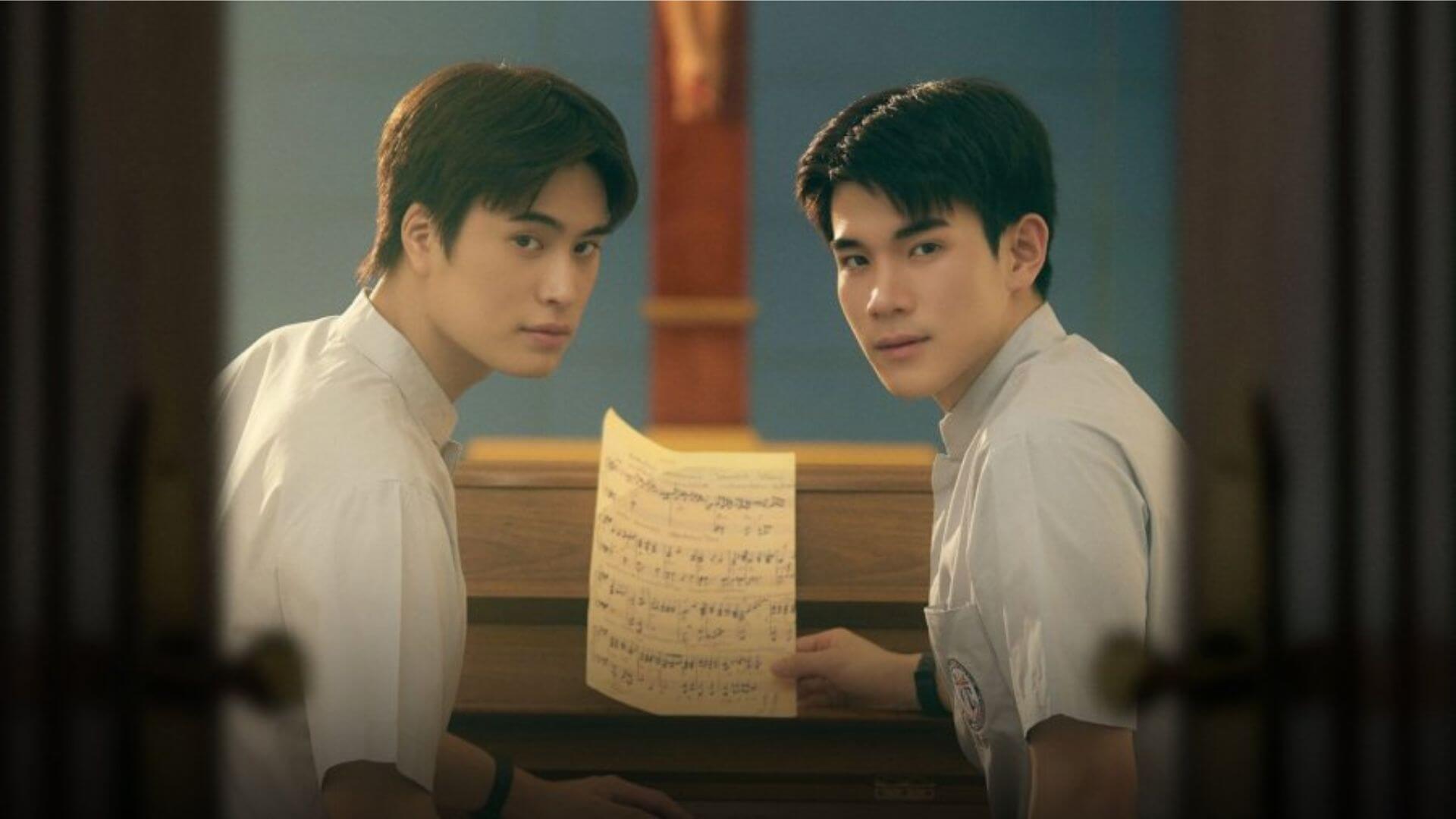
My dear fellow drama enthusiasts, get ready to shed plenty of tears because GMMTV has delivered an absolute masterpiece this year. Premiering on May 30, 2026, Ticket to Heaven (เด็กชายไม่ไปสวรรค์) brings an emotionally rich and deeply moving story to the screen. This BL takes viewers on a heartbreaking journey filled with grief, anxiety, faith, and self-discovery.
The story follows a Christian seminary student who lost his family and finds comfort in his unwavering faith. His carefully structured world is turned upside down when a rebellious transfer student with a deeply guarded past arrives at the seminary. If you loved the emotional intensity and beautiful storytelling of I Told Sunset About You, this series will absolutely steal your heart.
This heartbreaking yet inspiring story of love versus religious expectations completely consumed me from beginning to end. It is one of the boldest, most beautiful, and emotionally devastating projects GMMTV has ever produced, and I genuinely can’t stop talking about it.
Ticket to Heaven Episodes 1 to 6 Review
Image Credit: GagaOOLala
The journey kicks off with a brilliant introduction to the strict environment of Magdalene House. Our two protagonists couldn’t be more different from one another right from Episode 1. Tanrak (Fourth Nattawat Jirochtikul) is a faithful young man who has devoted his life to God, hoping that one day he will be reunited with his deceased parents in heaven. Then there’s Barth (Gemini Norawit Titicharoenrak), a troubled transfer student with a deeply guarded past who seems to reject everything around him while feeling abandoned by the world. They clash constantly at first, but after a series of events leaves them locked in the same room overnight, they begin to form a bond neither of them expected.
In Episode 2, their relationship begins to grow. I was so happy to watch them slowly settle into life together at the seminary, decorating for Christmas, sneaking out late at night to grab some roti, and sharing quiet moments together. These small moments of happiness build a beautiful emotional foundation. During their late-night music rehearsals, their walls slowly come down as they open up about their families, their faith, and the pain they’ve been carrying.
By Episode 3, the emotional tension had become almost unbearable. Surrounded by strong religious beliefs, Tanrak struggles with the feelings growing inside him. The director makes brilliant use of water imagery, creating a breathtaking moment in the rain before leading into an incredibly intimate bathhouse scene. When Barth confesses that he doesn’t believe he’s God’s favorite son, and Tanrak quietly echoes those same feelings, I literally screamed. The emotional buildup during the confession-booth-style sequence was so intense that I was holding my breath the entire time.
In Episode 4, their relationship reaches a turning point as their secret intimacy deepens while the fear of being discovered continues to grow. Gradually, the people around them begin noticing how close they’ve become, and the tension only continues to build. By Episode 5, suspicion turns into outright confrontation. The constant fear of being caught by the school authorities completely broke my heart. Watching them desperately try to protect one another from a system determined to condemn them was absolutely devastating.
Everything comes together beautifully in the emotional finale, Episode 6. The final resolution, a powerful clash between love and institutional faith, is handled with incredible maturity. There’s even a touching cameo from Director(Aof Noppharnach Chaiyahwimhon) as the man at the bus ticket booth, bringing the story full circle while highlighting the physical, emotional, and spiritual journey the boys have taken together.
The Incredible Highs and Minor Lows
Image Credit: GagaOOLala
I have to shout from the rooftops about the acting because these two young stars have delivered career-defining performances. Fourth, as Tanrak, gives a portrayal of absolute vulnerability, conveying an entire universe of internal conflict through his eyes. Every time he cries, I feel like crying too. Gemini, as Barth, delivers an equally powerful performance, turning what could have been a typical bad boy into a deeply layered and wounded young man. Their chemistry feels incredibly natural and absolutely captivating.
The background music is a true standout. I think the choice of a choral a cappella theme creates a hauntingly beautiful atmosphere, making every emotional moment even more impactful.
I just want to point out that the drama’s heavy emphasis on religion and existential themes can sometimes overshadow the softer, more comforting romantic moments that fans like me would have loved to see.
The BL brings together its themes of sacrifice, faith, love, and rebirth in a powerful finale. The final episode is an emotional journey through faith, love, and acceptance, delivered with remarkable maturity.
The final episode stayed with me long after the credits rolled. The series delivers a beautiful, heartbreaking, yet ultimately hopeful conclusion to an emotional journey. It stands out as an unforgettable piece of television that respects both its audience and its characters equally.
✦ Watch This If You Loved
Highly recommended for viewers who enjoy emotionally rich, character-driven stories with powerful performances, unforgettable chemistry, and thought-provoking themes.
I can’t believe how obsessed I already am with Love In Sync! It completely took over my weekend, and I’m already hooked on this wild supernatural connection. July 4, 2026, officially marks the start of my next K-drama obsession, and I am so ready to gush about it. If you love quirky, high-concept rom-coms where two complete opposites get hopelessly tangled up in each other’s lives, this is an absolute must-watch.
What I Loved in the First Two Episodes
The opening weekend delivers a fantastic and energetic start to the series. Episode 1 immediately introduces us to two people who couldn’t be more different, and that contrast is what makes their dynamic so much fun to watch.
Kim Myung-soo is a delight as Cha Eun-hwan, a renowned psychologist with the extraordinary ability to absorb other people’s emotional burdens. Constantly carrying everyone else’s feelings leaves him physically and emotionally exhausted, making him the complete opposite of our female lead.
Image Credit: Viu
Kang Min-ah plays Yoo Ji-an, a former idol turned actress whose career is slowly falling apart after being criticized for her “robotic” and emotionless performances. Her ability to empathize has been buried beneath years of living under her controlling mother’s influence, leaving her emotionally disconnected and unable to truly express herself.
Everything changes when she reluctantly agrees to visit Eun-hwan’s clinic. During a sudden power outage, the two accidentally collide, triggering an “emotional transference” that links their emotions in the most unexpected way.
Once Episode 2 fully embraces this premise, the show becomes pure gold.
Our calm, stoic queen suddenly finds herself breaking down in public, sobbing over a convenience store latte simply because her psychologist, who is miles away, is having an incredibly stressful day. Meanwhile, our endlessly compassionate counselor is suddenly overwhelmed by Ji-an’s eerie emotional numbness right in the middle of a therapy session.
What really makes this drama work is the incredible comedic timing between the two leads. From the very beginning, they have this playful, bickering chemistry that makes every interaction feel lively and entertaining. I completely understand why some viewers might think the whole “empathy swap” concept sounds a little silly or over-the-top. But honestly, Kim Myung-soo and Kang Min-ah have such effortless chemistry that it’s easy to forget how absurd the premise actually is.
It’s a wonderfully ridiculous idea that somehow works perfectly, and by the end of the first two episodes, all I wanted was more.
The obvious stars of the series are the incredible chemistry between our two main characters, but the supporting cast in Episodes 1 and 2 deserves plenty of praise as well. The corporate side plots in modern fantasy dramas often feel like a total snooze-fest, but the clinic staff dynamics here are genuinely hilarious. Much of the comedy and rivalry comes from Yoo Ji-an’s rival actress, Han I-Jin (Kwon So-hyun).
Image Credit: Viu
On the other hand, we also get to see the immense pressure the entertainment industry puts on Yoo Ji-an. A large part of Episode 2 focuses on her frantic talent agency boss, Kim Jun-Sik (Jung Hee-Tae), as he desperately tries to stop her from ruining what could be her last chance at a comeback role. His hyperventilating panic contrasts sharply with her initially ice-cold lack of empathy, creating some genuinely funny office comedy moments.
I am completely hooked on this fast-moving train. The K-drama is moving at lightning speed, and I’m desperately counting down the days until the next batch of episodes drops.
✦ Watch This If You Loved
Perfect for fans who love accidental connection and shared emotional dynamics in dramas like My Lovely Liar and Behind Your Touch.
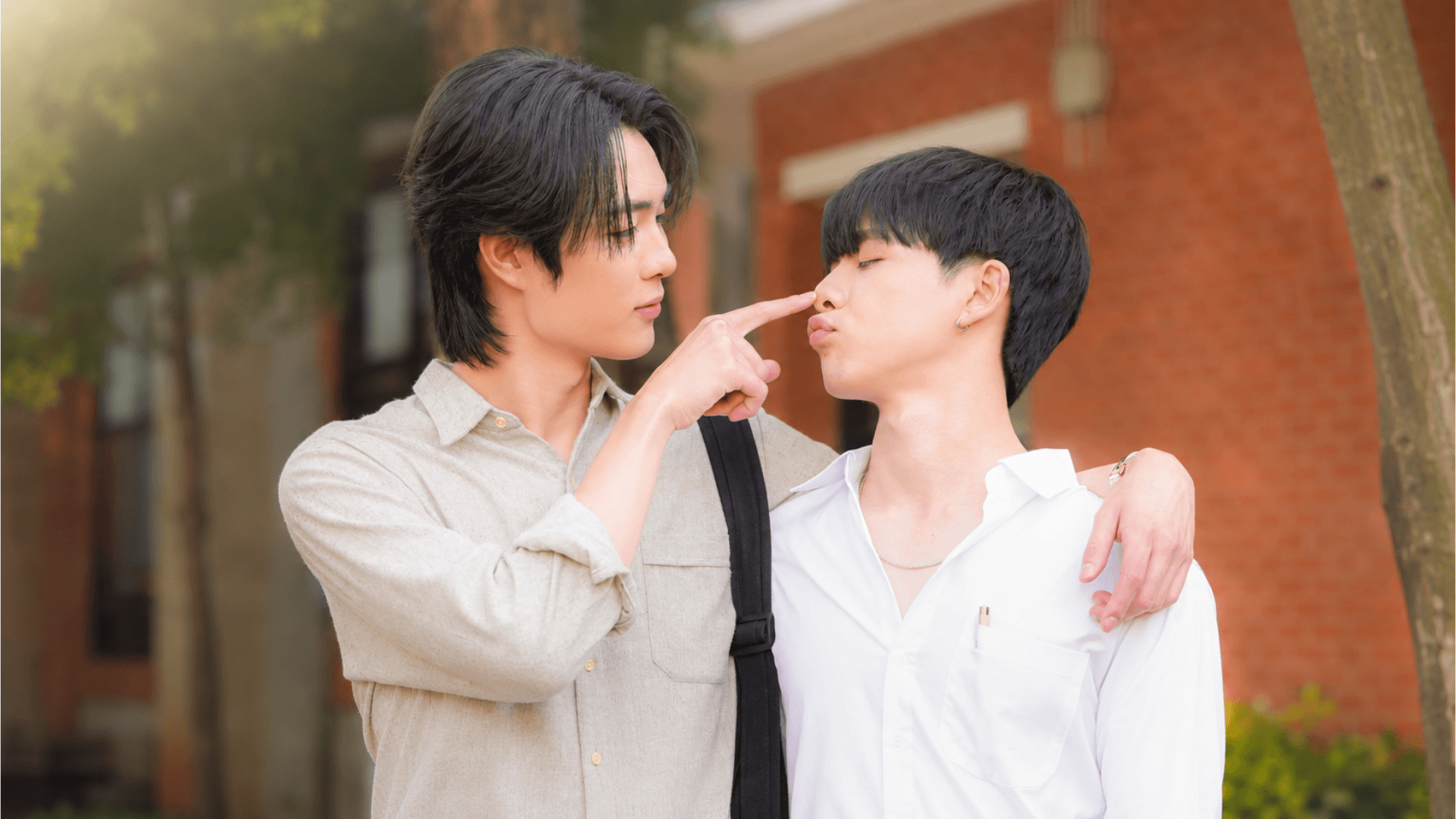
So everyone, grab your crystal balls and your favorite comfort food because the 2026 Thai BL lineup has delivered one delightfully unhinged series that I can’t stop talking about. Magic Move premiered on April 21, 2026, and instantly made Tuesdays the weirdest but most entertaining day of my week with its bizarre blend of mystical scams and sweet romance.
The story follows Rit (Ball Napatsak), a final-year architecture student who unexpectedly becomes a viral campus sensation known as the “Prophecy Master.” He tells fortunes using magical rune stones at his best friend Pure’s (Tan Pitchawat) neighborhood bar.
The real fun begins when a drunk Rit tells a huge lie to his longtime crush, Itthi (Deam Wutthiphat). Itthi isn’t just any guy. He’s the handsome heir to a wealthy real estate family. Rit boldly claims they’re childhood soulmates destined to be together, and BOY, the normally stoic rich boy actually believes him.
The whole setup creates a hilarious web of lies that reminded me of one of my comfort watches, Secret Crush on You. If you love crazy protagonists who are terrified of falling in love, this series is definitely for you.
Magic Move’s First Six Episodes Review
Image Credit: iQIYI
I got a front-row seat in Episode 1 and witnessed Rit’s wild imagination, his wacky architecture thesis that combines rune stones with auspicious home design, and his instantly hilarious drunken confession. It’s such a fun way to kick off the series, and the elevator scene is especially playful.
In Episode 2, the story settles into complete domestic bliss as Itthi starts driving Rit to university every day.
I was on the verge of turning into my biggest fangirl, watching this clearly mega-rich college boy patiently wait outside Rit’s classroom just so he could buy him a simple meal. It was ridiculously adorable.
By Episode 3, the romantic tension becomes impossible to ignore. Rit and Itthi share quiet, intimate conversations that feel surprisingly grounded and believable despite the show’s completely outrageous premise. Rit’s dramatic inner monologues make these moments even more entertaining.
Then Episode 4 brings a whole new level of excitement with the introduction of the much-anticipated second couple. The fluffy romance continues through Episodes 5 and 6, giving us plenty of cozy moments and lots of natural skinship that kept my Tuesdays completely stress-free.
What I Didn’t Like About Magic Move (Episodes 7–9)
The on-screen chemistry between the leads is phenomenal, and it’s what holds this entire series together. Rit is an incredibly likable protagonist because, despite all of his dramatic antics, he never becomes annoying. Itthi is just as serious and intense, making him the perfect balance to Rit’s bright and expressive personality. Their skinship and intimate moments feel natural, surprisingly passionate, and refreshingly mature. On top of that, the series introduces an exciting twist with Pitcha (Sprite Phatthapong), a former K-pop trainee who returns from Korea in search of his real childhood friend.
The truly frustrating part begins in Episodes 7, 8, and 9, when the story takes a turn for the worse and falls into the trap of poor communication clichés. Pure basically works Rit to exhaustion just to keep the fortune-telling business running.
Meanwhile, Itthi keeps pulling the classic “I can explain” card without ever actually explaining anything, making the angst drag on much longer than it should. Episode 9 also takes a surprisingly dark turn during a funeral, no less, bringing some serious content warnings, including a major confrontation, physical violence, and an emotional breakdown.
The final stretch of the series brings every hidden secret to light in a whirlwind of emotional drama.
The biggest surprise in the final episodes is that Itthi knew about Rit’s lie from the very beginning. He had been playing along with the fake childhood soulmate story simply because he wanted to stay close to Rit. When Pitcha returns, both leads are finally forced to confront their true feelings instead of hiding behind a made-up past.
The romance ultimately reaches its happy ending in Episode 10, the grand finale. However, the structure of the final episode is hilariously messy. The supporting characters literally apologize for manipulating everyone by… manipulating them even more, and the main couple doesn’t reconcile until the 39-minute mark of a 46-minute finale.
In the end, the series delivers a heartfelt message that destiny isn’t predetermined. Instead, it’s something people create through the choices they make, rather than by relying on magic or childhood memories. The finale feels a little rushed after several weeks of slower-paced drama, but it still delivers the happy ending that romance fans were hoping for. With all the magical elements surrounding its story, it’s easy to see how this simple, low-budget series manages to steal your heart.
✦ Watch This If You Loved
Highly recommended for BL fans who enjoy the fake-dating trope and are looking for a fluffy, lighthearted series that will leave them smiling. If you’re looking for something similar, check out:
Grab your favorite warm blanket and a giant mug of hot cocoa because I have officially finished binge-watching all six episodes of Check in to You (너에게 체크인) on June 25, 2026, and my heart is completely overflowing! Strongberry has certainly delivered yet another great one. They took the classic, clichéd K-drama body-swap concept and turned it into a fresh, heartwarming, and intensely romantic masterpiece.
Set in a beautiful, sun-drenched coastal town, we’re introduced to the cozy seaside guest house, Badam Stay, where a cold and efficient corporate CEO arrives with one goal: to tear down the guest house and sell the land for a huge profit.
Standing in his way is the passionate and hotheaded manager, who believes protecting Badam Stay is just as important as his own life. After a freak bathroom slip-and-fall accident triggers an electric shock, the two wake up the next morning trapped inside each other’s bodies. What follows is a whirlwind of workplace chaos, hilarious physical comedy, and plenty of dramatic mirror moments that had me shouting at my screen.
Soul Swaps and Seaside Friction
Image Credit: GagaOOLala
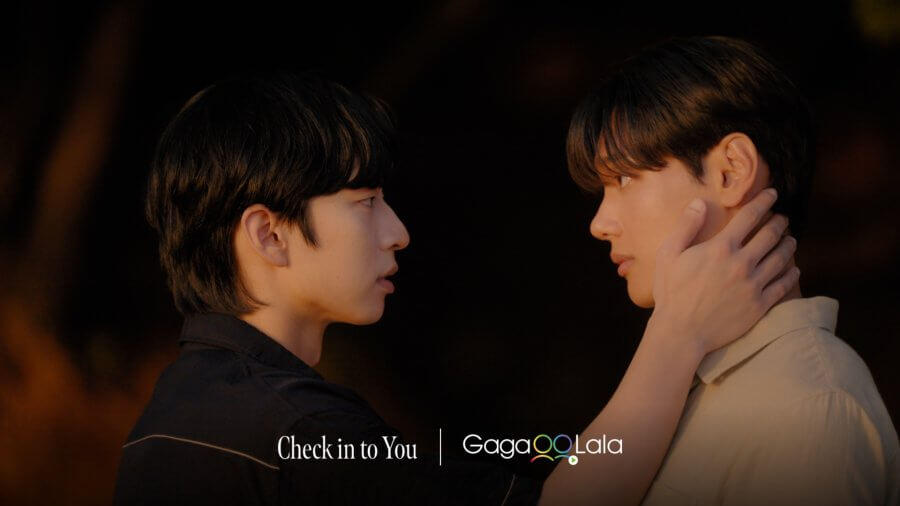
This BL’s opening episodes set the benchmark for the entire series. In Episode 1, we get a masterclass in the classic enemies-to-lovers dynamic. I was immediately drawn to Yoon Jio (Kim Dong-won) because of his pure golden retriever energy, which is incredibly endearing. He treats each and every guest staying at Badam Stay like family, so the arrival of Cha Do-kyung (Hwang Dong-hee) feels like a slap in the face. Sleek and polished, Do-kyung strolls into the guest house, seeing the world only through the lens of money, like a walking spreadsheet. Their rough, raw animosity before that fateful bathroom accident was absolutely electric.
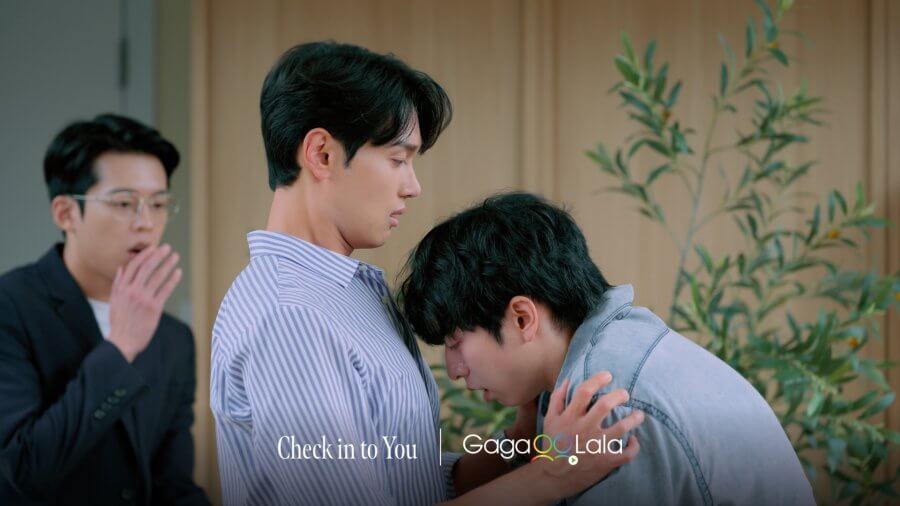
By Episode 2, the body-swap storyline was in full swing, and my mind was completely blown. I loved watching Hwang Dong-hee adjust his posture and body language, widening his eyes and flailing his arms to perfectly capture Jio’s panicked and overdramatic personality.
Meanwhile, Kim Dong-won delivered an ice-cold, deadpan performance as Do-kyung that genuinely gave me chills. During the mirror scenes, where they’re poking and examining their new faces, I couldn’t stop laughing. I have to admit, the online comments were right. The amount of abs and the complete lack of shirts in these scenes definitely make them even more enjoyable for viewers.
Testing Boundaries, Secret Realities
The story continues to flow gracefully through its middle episodes. The boys soon discover the one golden rule of every body-swap drama: if they want to switch back, they have to kiss! I absolutely loved the wonderfully messy fun of watching them experiment with every possible way to make it happen. They treat each kiss like a strictly business-like, clinical transaction, but despite their best efforts, some very real and unscripted butterflies begin to appear whenever they get close to each other.
By Episode 4, however, the series takes a more emotional turn. As Jio, still living in Do-kyung’s body, is thrown into the harsh reality of corporate life and forced to deal with Do-kyung’s emotionally distant mother, he faces challenges far greater than he ever expected. I really felt for Do-kyung during these scenes because Jio finally begins to understand the emotional walls he has spent years building around himself, and the reasons why.
Episode 5 brings the focus back to the fate of Badam Stay. Still trapped in Jio’s body, Do-kyung is forced to meet face-to-face with the local residents and a ruthless corporate buyer determined to finalize the deal. I really liked this turning point because it reflects his own selfish, cold-hearted corporate mindset and ultimately becomes the wake-up call Do-kyung desperately needs.
Working alongside Jio, he becomes fiercely protective of the guest house and challenges the developers using his own business savvy. Their professionalism, teamwork, and growing respect for each other during this stressful situation were incredibly touching.
Check in to You Ending & Final Verdict
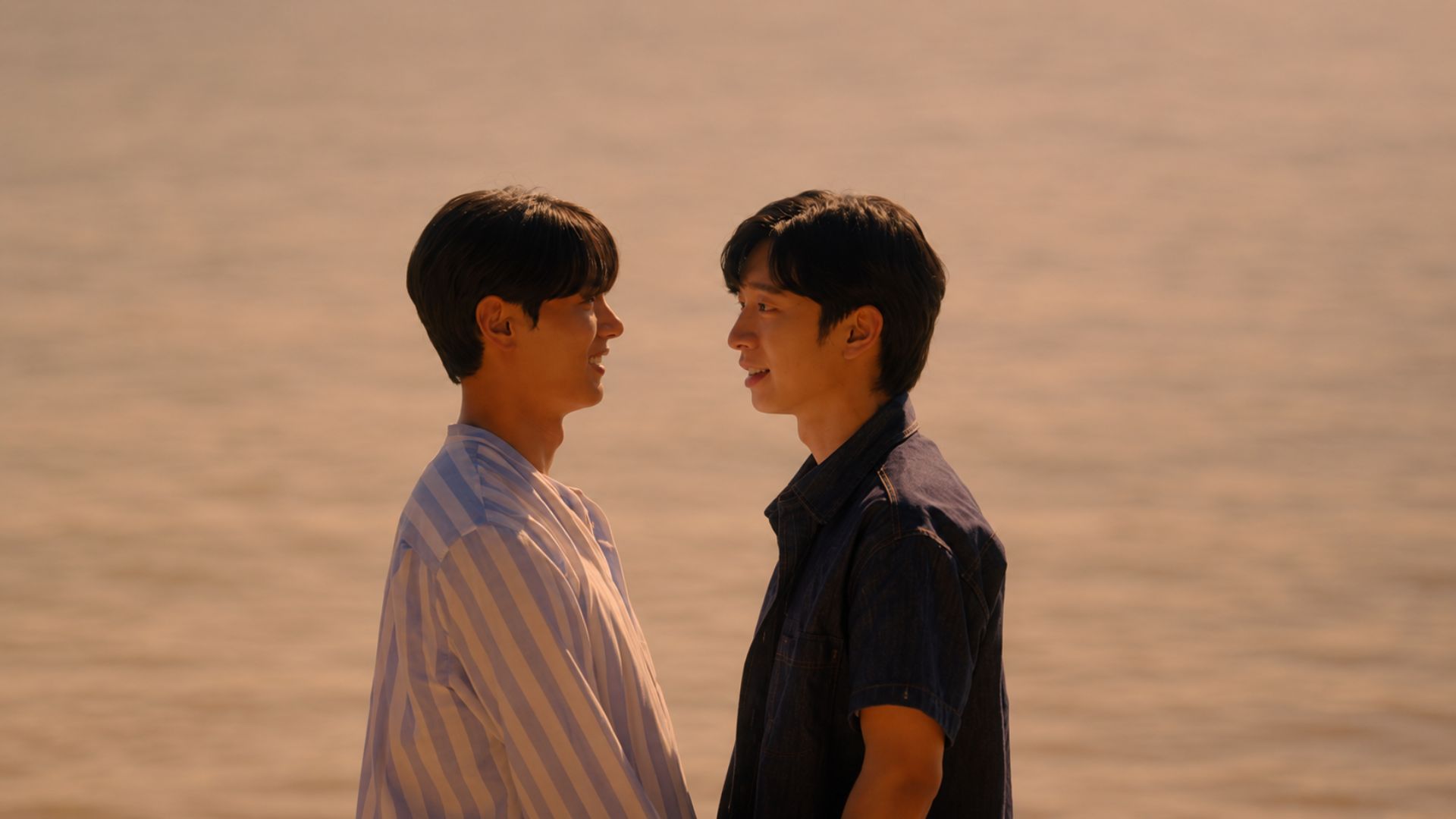
The big conclusion in Episode 6 brings everything full circle and delivers such an emotional and satisfying ending that I couldn’t stop clutching my chest. The two boys manage to save the seaside guest house from demolition before sharing a special and heartfelt kiss on the beach at sunset. Because this kiss is motivated by love rather than desperation, the magic finally works, allowing them to return to their own bodies. I really loved the cinematography during the sunset sequence. It felt like a warm hug.
The ending is the perfect conclusion, complete with a time jump that reveals Do-kyung leaving his cutthroat corporate life behind to run Badam Stay alongside Jio, not just as his business partner, but as his life partner.
✦ Watch This If You Loved
I highly recommend Check in to You for BL fans looking for a short, high-energy, and incredibly sweet fantasy rom-com that delivers top-tier physical comedy and outstanding enemies-to-lovers chemistry.
Looking for more BLs like Check in to You? Check out:
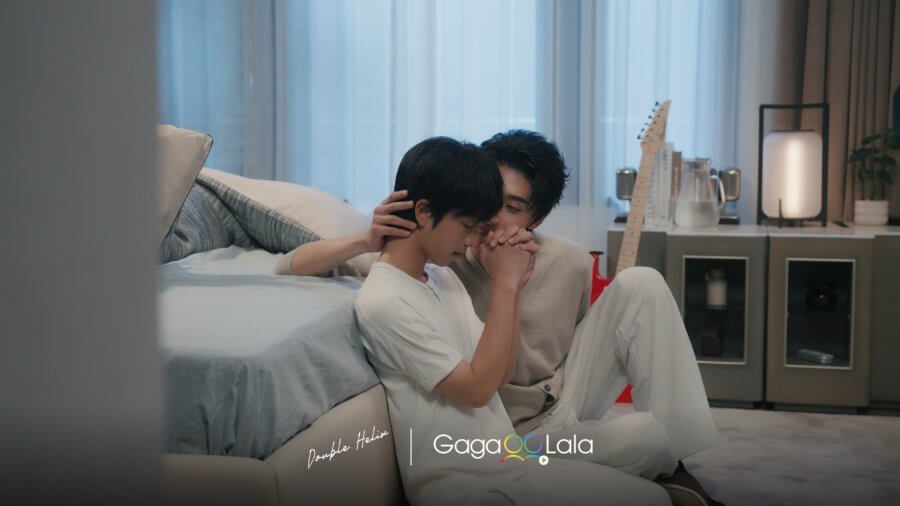
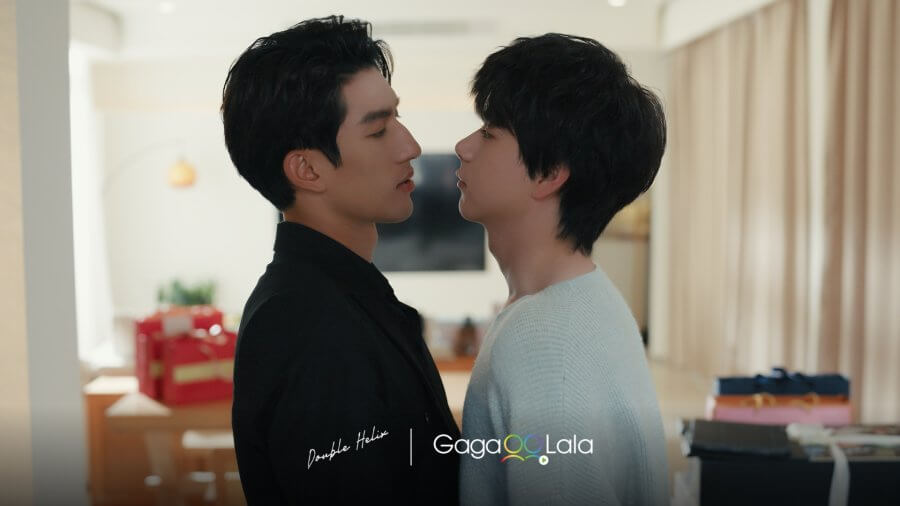
Our screens have a toxic masterpiece, and I’m in total scream mode. The much-anticipated Chinese BL drama Double Helix was finally released on May 8th, 2026, and I immediately dropped all my responsibilities just to binge-watch the entire thing. This is a drama that returns to the raw, unapologetic angst of classic internet novel adaptations. It brings heavy emotional impact, strong chemistry, and a beautifully toxic dynamic that I cannot deny is my guilty pleasure.
Our main couple shares a bond that feels more like a cosmic collision than a typical romance. The Chinese BL follows a wealthy heir and a kind-hearted top student who were separated for 10 years, scarred by family conflict, and consumed by an intense, obsessive connection.
Plot of Double Helix
Image Credit: GagaOOLala
From the very beginning, the story pulls you in. We see Lu Feng (Ayden Sng) completely drawn to the gentle yet oblivious Cheng Yichen (Lyu Sitong), while Cheng Yichen barely notices him at first. The setup is classic. They fall in love in high school, are exposed through a leaked photo, and are then torn apart by their families. Lu Feng’s strict and homophobic father sends him to the United States, while Cheng Yichen is left behind to pick up the broken pieces of his life.
Years later, they meet again when Lu Feng returns as the powerful CEO of Cheng Yichen’s company. The old spark doesn’t fade; it comes back as something far more intense and all-consuming.
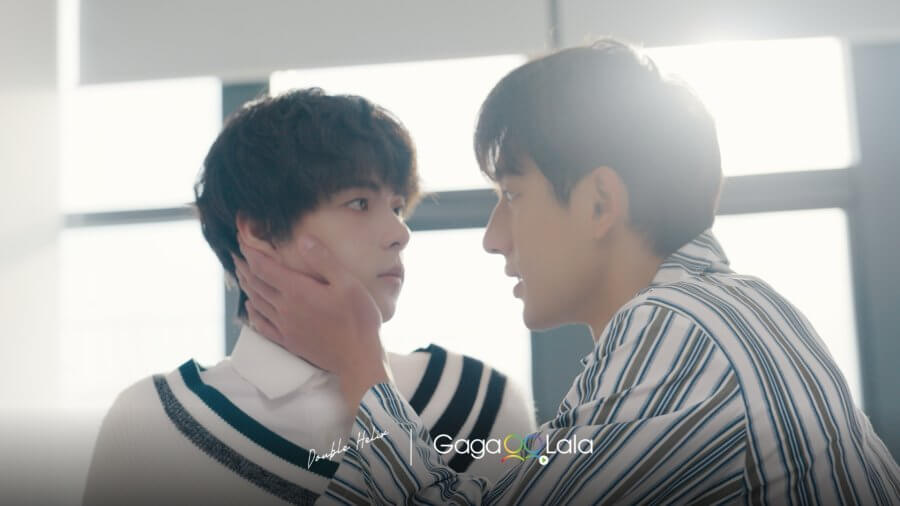
The first few episodes completely hooked me. Lu Feng’s emotional breakdown when Cheng Yichen takes off his glasses is pure fan service gold. In seconds, he goes from shock to completely entranced, full of intense admiration and fixation. He immediately insists that Cheng Yichen should never remove his glasses in front of others. The possessive red flags are very clear, and honestly, I am fully cheering them on.
The Good, the Bad, and the Toxic (Episodes 1–12 Review)
The production quality is strong, and the contrast between their youthful sweetness and the darkness of their adult lives is one of the drama’s most striking elements.
The middle portion of the show ramps up the melodrama to a very high level. Episode 1 shows their early days in a soft and sweet way, but by Episode 2, the family intervention hits like a freight train. These early episodes are packed with plot, almost to the point of feeling overwhelming. Episodes 3 and 4 focus on the intense tension of their adult reunion, with Lu Feng now in a position of authority at Cheng Yichen’s workplace, giving him constant opportunities to stay close to him.
Image Credit: GagaOOLala
By Episode 6, the famous bathroom wall slam scene becomes a major highlight and really raises the tension between the leads. Lu Feng’s fear of losing Cheng Yichen grows deeper and more intense by Episode 7, slowly turning into controlling and possessive behavior. His character moves from a wounded, emotionally broken lover into someone more calculated and darker in intent. From Episode 9 onward, he even starts flirting with other men to make Cheng Yichen jealous.
However, by Episodes 10 and 11, the story starts to feel repetitive. The writers keep using separation and misunderstandings to keep the leads apart. Cheng Yichen remains in a mostly passive role, going through heartbreak, family pressure, and illness without much space to fight back. The subplot involving Cheng Yicheng and Qin Lang (Fa Xuange) also feels underdeveloped. Qin Lang has a strong screen presence, but his character does not get enough depth to leave a strong impact.
Episode 12 is completely out of control and fully in melodrama mode. Lu Feng fully embraces his darker side after Cheng Yichen chooses his family over him for a second time.
He is shown keeping Cheng Yichen emotionally trapped, using emotional manipulation and physical isolation to keep him close. Despite this, Cheng Yichen accepts the situation, as his affection for Lu Feng has never disappeared. The final episode moves away from the more sad and ambiguous ending of the original novel. Instead, the BL gives a more conclusive and hopeful reconciliation. It is satisfying for me on an emotional level, but it also feels like it has not been fully earned after everything Yichen endured earlier in the story.
Final Verdict
A lot of this performance depends on Ayden Sng, and he handles it very well. He shows the difficult journey from a soft, loving high school boyfriend to a deeply obsessive corporate CEO with strong emotional intensity. He carries the story even when the plot becomes extremely dramatic.
Overall, this is a strong win for fans of old-school, intense, toxic BL storytelling. This 2026 series is adapted from the novel by Lan Lin, which previously received a film adaptation in 2016.
✦ Watch This If You Loved
For melodrama lovers who miss unhinged, possessive main leads, Double Helix is a must-watch. If you’re suffering from post-drama withdrawal after finishing it, check out:
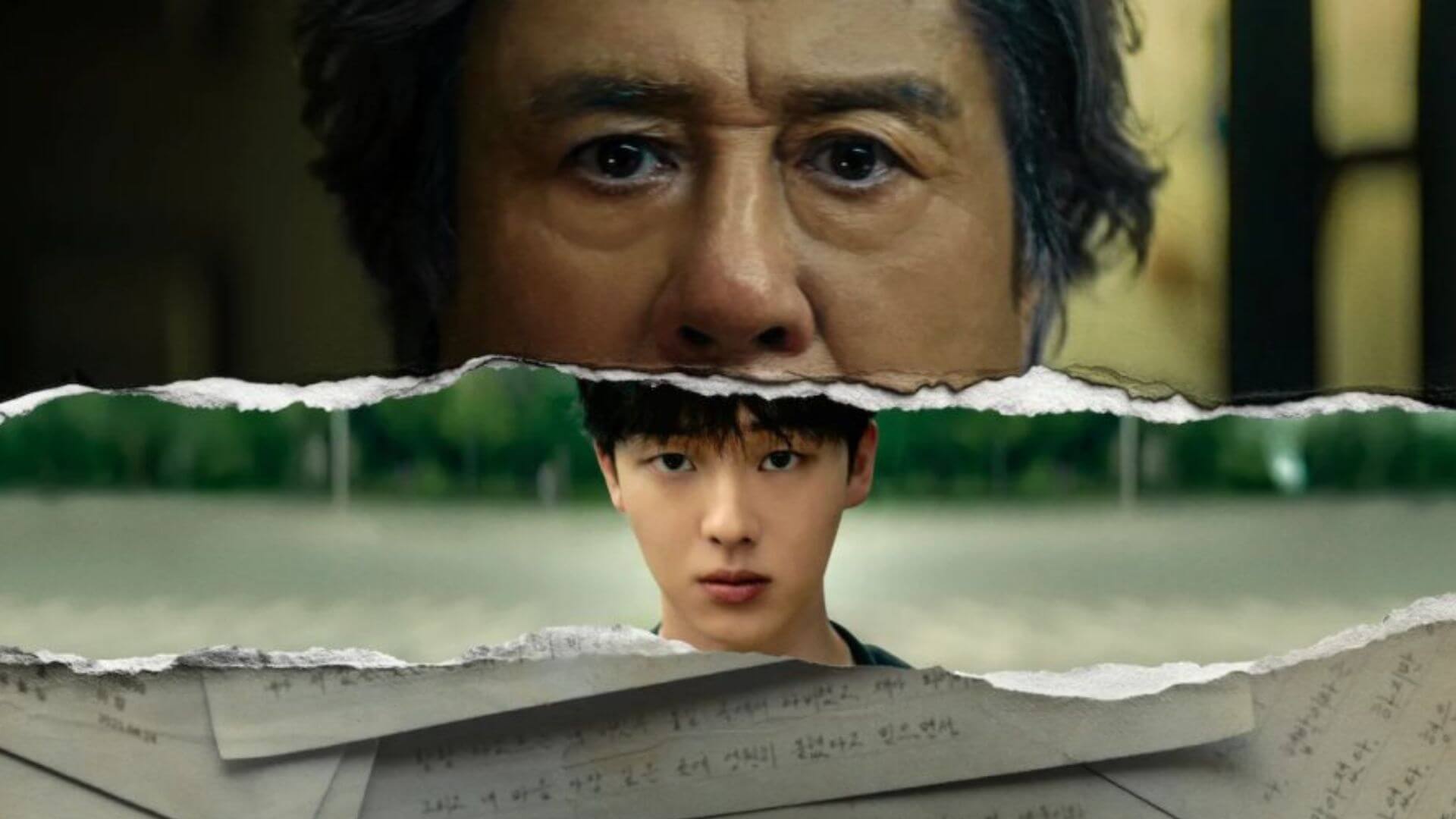
As I was about to lose it, Netflix dropped what might be the best psychological thriller I’ve ever seen, and my mind is still scrambled. Notes from the Last Row (맨 끝줄 소년), released worldwide on June 26, 2026, is a wild, intense, and deeply unsettling ride that had me hooked from the very first scene. I couldn’t get enough of it. The tension practically drips from every single frame, making it impossible to look away.
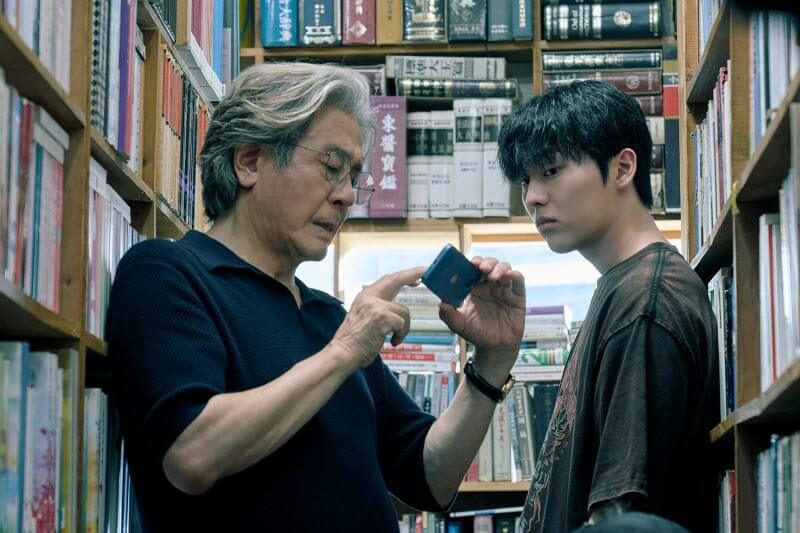
The series is based on an unusual psychological chess match. I was so enamored with this angry literature professor, who rediscovered his creative spark after reading the strange, mysterious stories of a quiet student sitting in the last row. This is a dark mentorship that turns into a perilous game where fiction and reality begin to blur. This series is definitely worth watching if you enjoy slow-burn psychological thrillers. It has all the cat-and-mouse mind games that made Beyond Evil an absolute masterpiece in my book.
Inside the Mind Games of the Early Chapters
The series builds up to its ending in a masterful way. In Episode 1, I was introduced to failed novelist and university professor Heo Mun-oh (Choi Min-sik), who secretly despises his students. However, his boring life is shattered when he receives a fascinating essay from a quiet student named Lee Kang (Choi Hyun-wook). The brilliance of the writing immediately hooked me, just as it did the professor.
Image Credit: Netflix
By Episode 2, they begin having private lessons, and I started to have a lot of doubts about the whole situation. Lee Kang writes detailed observations about the wealthy family of one of his classmates, which fascinated me even more. In Episode 3, there was no longer any distinction between a normal assignment and reality, as the student began following people around to gather material for his stories. I watched the professor eagerly absorb every single update.
By Episode 4, the obsession had me losing my mind. When Heo Mun-oh blatantly refused to put an end to the mounting voyeurism, I shouted at my screen. The student continues giving him highly personal chapters about the elegant art gallery director Jo Hyeon-suk (Jin Kyung) and the wealthy family. I was in agony by the end of Episode 5 because it ended on such a brutal cliffhanger. Every new chapter felt like a drug to me.
My Screams and Frustrations
I believe the casting in this drama is spot on. Choi Min-sik delivers an amazing performance as this very insecure and desperate professor. He captures one man’s unmistakable descent into madness, and he does it so subtly that every moment feels incredibly well controlled. On the other hand, rising star Choi Hyun-wook is brilliantly eerie as the intelligent and manipulative student. His blank expressions sent chills down my spine. The cinematography is dark, filled with shadows, and the framing really adds to the psychological horror.
There were some things that rubbed me the wrong way during the middle episodes. Long silences and slow conversations are a major part of the drama. I’m sure some viewers may find the deliberate pacing in Episodes 3 and 4 agonizing. The series keeps most of its mysteries under wraps for much of its runtime. While I found that incredibly intriguing, it also took a long time to get any real answers.
The high point of Episode 6 is when the professor runs to the student’s house, convinced that a terrible murder and arson are about to happen based on the latest pages he has read. The police and fire department arrived, and I was about to exclaim, “Oh my God, what happened here?!” only to discover that the family was completely safe and had simply returned home from an ordinary evening out. The student masterfully uses the narrative to show the professor exactly what he wanted to believe.
The tragic story of how they met at an orphanage 12 years ago could be completely untrue. I finished the drama wondering if we had ever learned the real truth. By the end of the drama, Heo Mun-oh has lost all his prestige and is working a retail job. However, when Lee Kang walks into the library, my heart skips a beat. The professor now understands how the manipulation was carried out, but his need for a good story outweighs his desire to walk away. I knew then that their relationship was toxic, symbiotic, and sealed for good.
The last episode ends on a sinister note. It left me feeling that this drama is a gem of psychological writing and dark manipulation. It’s a must-watch for thriller enthusiasts.
✦ Watch This If You Loved
Highly recommended for viewers who crave intelligent psychological tension, dark character-driven mysteries, and intricate mind games. If you loved Beyond Evil or Strangers from Hell, this drama should be right up your alley.
TitleNotes from the Last Row (2026) [맨 끝줄 소년] [참교육]
Total Episodes6 (Complete)
Review6 Episodes
CountryKorea
GenreSuspense
· Thriller · Psychological
Release DateJune 26th · 2026 · Netflix Original
Stream
🎬 Netflix
Main Cast
Choi Hyun-wook
Lee Kang
Choi Min Sik
Heo Mun O
MAB Score
8.5/10
Overall Rating
Story
Acting
Cinematography
Rewatch Value — 6.9/10
I would definitely rewatch it after a few years to experience the plot twist again and see the story from a completely different perspective. Knowing the truth gives you a completely different view of Lee Kang, making a second watch even more fascinating.
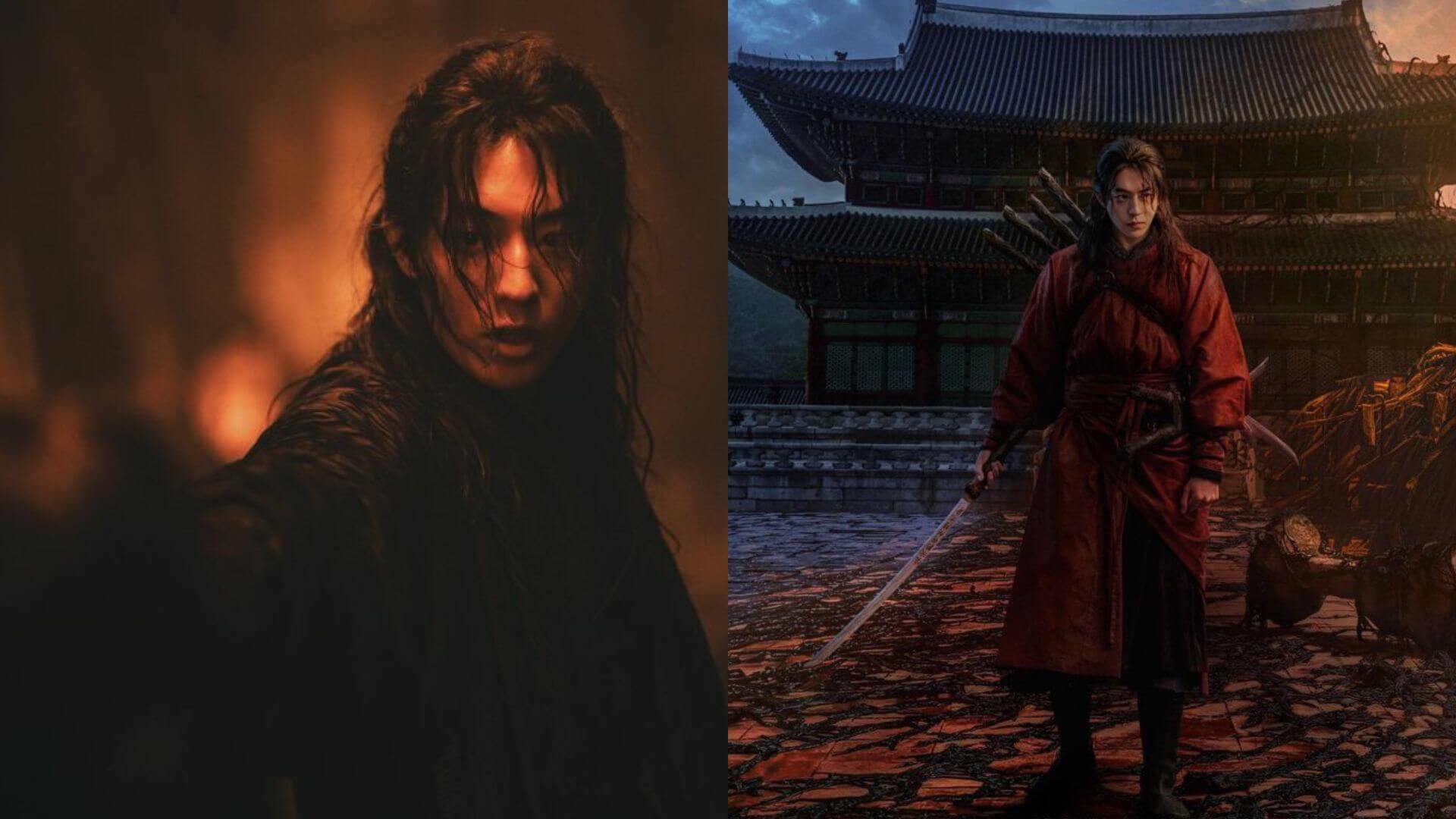
 The Binge Team




 Viki
Viki