Tag: Review

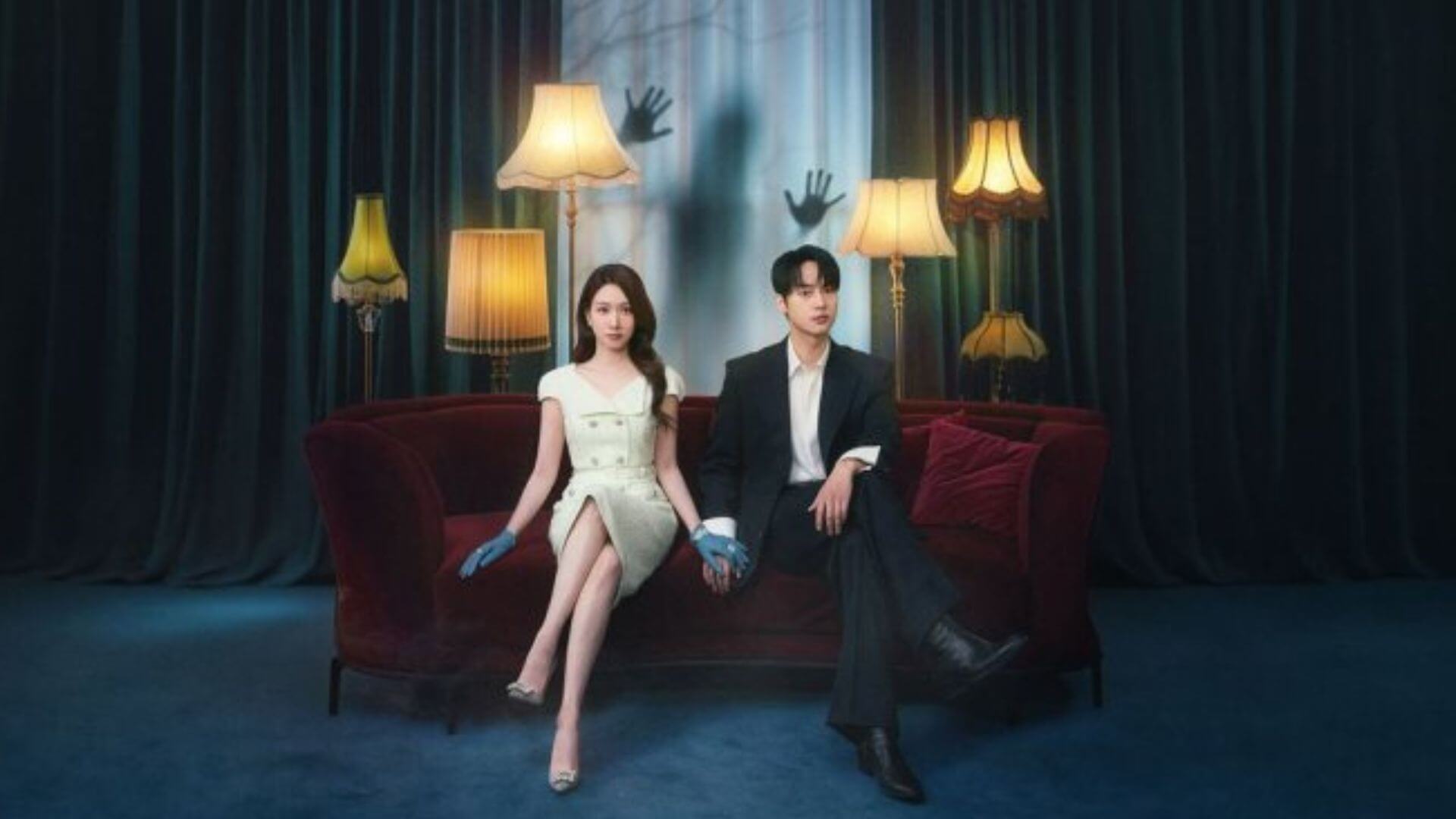
  • Pursuit of Jade: First Impressions (Episodes 1–10)

    Pursuit of Jade: First Impressions (Episodes 1–10)

    As someone who usually leans more toward K-dramas and doesn’t often pick up Chinese historical dramas unless something really stands out, I didn’t expect Pursuit of Jade to pull me in the way it did, but somewhere between the grounded storytelling, the slow-burn character dynamics, and the gradual shift in tone, I found myself getting invested without even realizing when it happened, which is honestly the best kind of surprise when you start a new series.

    A Marriage That Starts Necessity (Episode 1 – 3 )

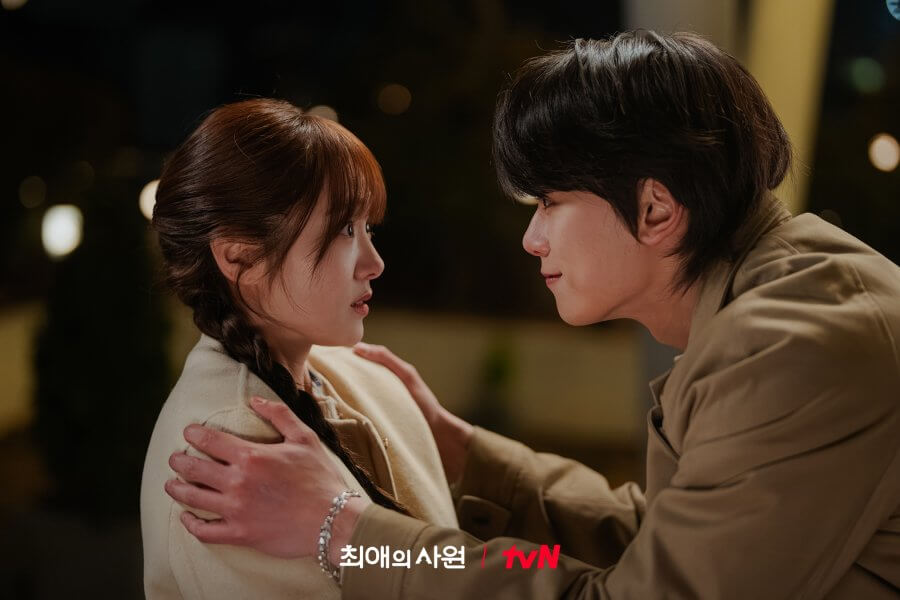
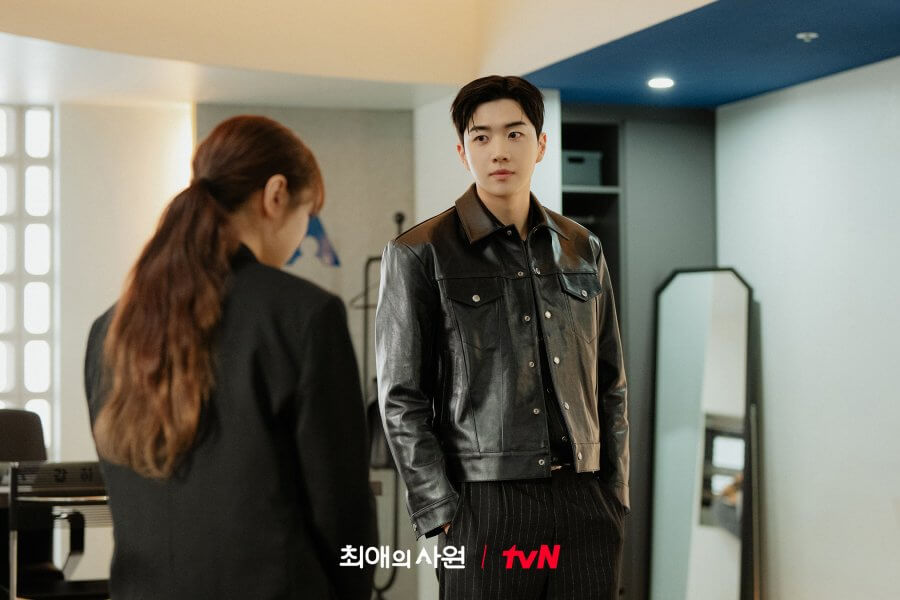
    The story begins with Fan Changyu, a butcher’s daughter who is trying to hold her life together after losing her parents, and Xie Zheng, a fallen nobleman who is hiding his identity while carrying a quiet but heavy desire for revenge, and the way their paths cross during a snowstorm feels dramatic on the surface but is written in a way that still feels grounded and believable rather than overly exaggerated. 

    What follows is the introduction of a classic trope, which is the marriage of convenience, but instead of romanticizing it, the drama frames it as a practical decision driven by survival, where Changyu needs stability and protection for her home and younger sister, while Xie Zheng needs a safe place to recover and stay hidden, making their arrangement feel less like a fantasy setup and more like a mutual understanding born out of necessity.

    Characters That Feel Surprisingly Real (Episode 4 – 6 )

    As the story settles into its early phase, the drama takes its time exploring Changyu’s everyday struggles, showing her managing a butcher shop, dealing with gossip from villagers, and constantly looking out for her younger sister, all while living in an environment that doesn’t treat her kindly, and what stands out here is how the show doesn’t glamorize poverty but instead presents it through small, realistic details like food, money, and difficult choices. 

    At the same time, Xie Zheng initially comes across as the typical quiet and mysterious male lead who is clearly hiding something, but as the episodes progress, the writing starts adding layers to his character, revealing a vulnerability that contrasts with Changyu’s straightforward and emotionally open nature, creating a dynamic where she is physically strong and unapologetically honest while he remains controlled, strategic, and weighed down by his past, even though, this dynamic does feel familiar and slightly predictable at times since we’ve seen similar pairings in many dramas before. Still, the early episodes manage to maintain a light and slightly chaotic energy through awkward interactions, misunderstandings, and Changyu’s blunt personality, which adds a touch of humor that makes the show easier to watch.

    A Fake Marriage Starts Feeling Real (Episode 7 – 9)

    Once the fake marriage begins to settle into their daily lives, the drama finds its emotional core, and what works really well here is that the relationship doesn’t suddenly become romantic in an unrealistic way but instead develops gradually through small, meaningful moments like sharing meals, protecting each other in quiet ways, and having late-night conversations that slowly build trust between them. 

    At the same time, the narrative starts expanding beyond the village setting, giving us glimpses into Xie Zheng’s past, the political tensions surrounding his story, and the revenge plot that has been quietly building in the background, which creates a noticeable shift in tone as the drama transitions from a slice-of-life feel to something heavier and more layered, making it clear that the calm atmosphere of the earlier episodes won’t last forever.

    Story Finally Finds Its Direction

    By the time the story reaches around episode 10, it begins to move into a broader and more intense narrative where the village setting starts to take a backseat and the focus shifts toward political intrigue, conflict, and the consequences of past actions, allowing themes like revenge, identity, and justice to take center stage as Xie Zheng’s true purpose becomes more apparent.

    Pursuit of Jade First Impressions (Episodes 1–10)

    There is also a noticeable tonal shift at this point, where the warmth and simplicity of the earlier episodes are still present but are now layered with tension and uncertainty, making it clear that this is no longer just a romance-driven story but something much larger that explores survival in a dangerous and unpredictable world, and honestly, this transition is what made the drama more interesting for me.

    Pursuit of Jade is Cliché Yet Comforting in Its Own Way

    If I’m being completely honest, I find myself somewhere in the middle with this drama, because while I don’t fully love it or hate it, I also can’t ignore the fact that it has its own charm, especially through the dynamic between the leads, which feels unexpectedly wholesome despite the familiar setup. The plot does rely on clichés, particularly with its fake marriage trope and character dynamics, but at the same time, it manages to stay engaging because of its emotional warmth, occasional humor, and the slow-building revenge angle that adds some depth to the story, and I genuinely didn’t expect to laugh as much as I did while watching it.

    So, if you enjoy dramas with familiar tropes, slow-burn relationships, and a revenge storyline that gradually unfolds, Pursuit of Jade is something you might find yourself enjoying more than you expect.

    Drama Info & Ratings

    Title: Pursuit of Jade
    Total Episodes: 40
    Genre: historical romance, political drama, revenge, slow-burn
    Cast: Zhang Linghe, Tian Xiwei
    Where to Watch: Netflix


    Overall Score: 7/10
    Story: 6.5/10
    Chemistry: 8/10
    Acting: 8/10
    Rewatch Value: 5/10

    Check Out: “Fated Hearts” Review

  • Bloodhounds Season 2: Honest Review (No Spoilers)

    Bloodhounds Season 2: Honest Review (No Spoilers)

    Bloodhounds Season 2 Honest Review (No Spoilers)

    Bloodhounds Season 2: Honest Review (No Spoilers)

    OMG GUYS, HOLD EVERYTHING!! Season 2 is the ultimate testament to the fact that Bloodhounds is the undeniable ruler of K-thrillers, as the first season was the promise! I am actually shaking, because it is three full years of waiting, or it seems to me, of actual life, and our boys are back and swinging as though their lives were at stake! The choreography is sharper than ever, the dramatic tension is making my heart sink, and the new villain, RAIN, WHAT ARE YOU DOING HERE? Pray, he did not simply raise the bar up, he SMAShed it! I am scared and infatuated.

    The Revival of the Dynamic Duo

    Bloodhounds Season 2 Honest Review (No Spoilers)
    Image Credit: Netflix
    The reappearance of Gun-woo and Woo-jin in the ring felt like a reunion with old friends. Their relationship is the best aspect of the series, and it carries the burden of the new plot without any difficulty. I enjoyed the maturity of their brotherhood since the first season. There is still the contagious, polite energy outside the ring and the frightening intensity when the gloves are off.
    The k-drama continues with a change in tone, which is familiar and new at the same time. I could see at first glance that the size of the underworld they are battling has increased. The villains in this instance are more calculated and systematic. It is no longer a fight in the streets. It is a war on a new generation of corruption, which is posing a threat to the very peace they have struggled to achieve.

    Comparison of the Spirit of Two Seasons

    Season 1 was a revenge and pure survival masterpiece. It paid much attention to the desperation of the pandemic period and the inhumane nature of loan sharks. The second season is changing its focus to the more intricate power dynamics. Action sequences have even become finer. I also appreciated the choreography, which was sharp and very easy to watch, even though the fights were very fast.
    The greatest distinction is in the emotional stakes. The boys were victims in the first season as they fought on behalf of their families. In season 2, they are saviours who decide to go into the fire. This psychological change causes the wins to be more justified. The rhythm is merciless from the very beginning of the episodes. I liked the fact that the K-drama did not take excessive time on exposition but allowed the punches to speak for themselves.

    A Darker Turn to Our Heroes

    Bloodhounds Season 2 Honest Review (No Spoilers)
    Image Credit: Netflix
    The world in which Gun-woo and Woo-jin are living has become darker. Although their moral compass does not change, their decisions are far more challenging. I could sense the strain that was building up whenever they were forced to choose between the law and their kind of justice. The new villains are truly worthy opponents. Rain as Im Baek-Jong is just so good. It’s the perfect cast and literally a feast for my eyes (honourable mention for his body…that body was tea).
    This change is brought out by the cinematography. The colours are a bit more subdued, and the darks are darker. This visual language reflects the inner conflict of the characters as they are forced to deal with a less black-and-white world than they used to. I was half-bending into the screen at times, as silent as the loud acts. The silence of this season is deep in meaning.
    We also see a lot of season 1’s cast back, and the Marines’ subplot sequence was adorable. Everyone in the K-drama, every single character, had a part that they had to contribute towards the victory of good over the bad.

    The Ending Explained

    Season 2 ends in a breathless, action-packed, and emotional finale. The last conflict is a union of all the subplots that is so satisfying. I shouted when the boys finally got the mastermind of the new syndicate. The battle was savage, and it was tiresome to observe most desirably. It was a test indeed of their stamina and their faithfulness to each other.

    But after the final fight, we could see Baek-Jong being kidnapped from the police van after the orders of Hong Min-Beom, played by Choi Si-Won. After that, it kind of becomes like an open ending for him, as we are not shown if he is alive or dead. Season 2 was also constantly dropping hints for the expansion of underground boxing competitions to Thailand and other countries, so it was probably to leave the door for season 3 open. (A girl can only wish.)

    A lot of the sequels do not match the first one, but this one surpasses the expectations. It honours the background of the initial season and has the guts to expand. The plot is lean, and the dialogue is smooth for the characters. I was fond of the little touches of humour which relieved the tension. The heavy action scenes become more impactful using these light-hearted beats.
    The production quality is the best in terms of a K-drama. Each strike seems to be effective, and each harm appears to be hurtful. I was amazed by the effort put in by Woo Do-hwan and Lee Sang-yi. Notably, they have undergone physical change, and their boxing shape is professional. This degree of devotion makes the world of Bloodhounds seem more real and concrete.v
    Also, we get a Park Seo-Joon and Dex as private detectives cameo???? Best believe I was actually screaming like literally a big, fat scream. They looked too good. ​

    The Punchy Follow-Up

    The action genre is a major success in this season. It is a fair mixture of bone-smashing fights and a touching tale of friendship and fairness. I was thoroughly revitalized after watching episode 7. If you were a fan of the first season because of its action and the lead actors, you will, of course, find it all here.
    I would strongly recommend this to all who like high-stakes crime fiction and martial arts choreography. Gun-woo and Woo-jin have cemented their position as one of the best duos in contemporary television. Bloodhounds Season 2 is an adventure, a testimony to how much it matters to remain true to your values in a world with its corruption.

    ✦ Watch This If You Loved Bloodhounds S2

    If the devastating ending in Weak Hero Class 1 still keeps you up at night, or if you’re still not over how A Shop for Killers redefined found family through the game of survival… this k-drama is made for you. It has that same rare quality of putting up a fight and making us feel every heartbeat behind the punch.
    Drama Info
    TitleBloodhounds Season 2
    Episodes8 (Complete)
    GenreAction · Crime · Bromance
    Release Date April 3 · 2026 · Netflix Original
    ReviewAll 8 Episodes
    Stream
    🎬 Netflix
    Main Cast
    Woo Do-hwan Korean Actor

    Woo Do Hwan

    Kim Geon U

    Lee Sang-yi Korean Actor

    Lee Sang Yi

    Hong U Jin

    Rain as Im Baek Jeong

    Rain

    Im Baek Jeong

    MAB Score
    8.5/10
    Overall Rating

    Story

    Acting

    Chemistry

    Cinematography

    Rewatch Value — 6.2/10
    Now that I know the ending, I want to go back and see all the “glitches” in the app from the first episode that I missed.
  • Awakening the Steppe Review: 2026 Chinese BL (All 6 Episodes)

    Awakening the Steppe Review: 2026 Chinese BL (All 6 Episodes)

    I am completely spellbound by the pure visual might of the newest hidden gem I found, Awakening the Steppe. The Secret of Us (SoU) production is my aesthetic peak of 2026. I am bewildered by the high-definition, vast landscape of the Mongolian grasslands. Each frame is an analogue of a movie postcard. The show is a breakthrough in the crowded urban environment of the usual Chinese web drama. The focus on natural lighting and panoramic shots was so beautiful.

    My Emotional attachment with Lei Zexin and Amur

    Awakening the Steppe Chinese BL
    Image credit: youtube

    I am fascinated by the relationship between Wang Ruichen and Yuan Zaiqiao. Wang Ruichen is a brooding, deliberate presence on the screen as Lei Zexin. He is a direct action man of magnetic silence. I consider the veterinarian Amur, portrayed by Yuan Zaiqiao, to be a stabilizing element of honesty. Their encounter is a cliched element of the destiny of a heroic dog and a desert rescue. I am impressed by their quick, emotional, hot-temperedness.

    I understand that the overall 60-minute duration (6 episodes of 10 minutes each) creates a sense of narrative vertigo. My experience of becoming acquainted with strangers and soulmates is a whirlwind. But the script, I agree, moved way too fast. This rate makes me continue to believe in their emotional growth despite my disbelief. The series uses the lost-time trope of the instant connection to fill the gap between episodes. I am forgiving that there was no dialogue since the lasting stares are no mystery.

    Cinematography as a Personality

    Awakening the Steppe Review 1 to 6 episodes
    Image credit: youtube

    The camera action in the series is worth a standing ovation. The manner in which the golden hour is captured, over the steppe, is something I am obsessed with. The application of drones gives the feeling that the romance is epic and lonely. I recognize the colour palette changing from the bright greens of the plains to the warm and beautiful orange that the inside of the yurts possesses. This visual contrast is used to show the contrast between the wild world and the haven that the two make for themselves.

    The atmosphere of the early episodes, especially the healing one, impresses me in particular. Such scenes include silent housework and joint meals. I consider these scenes more powerful than the dramatized play. The sound design is also enormous. I listen to the sound of the wind and the far calling of horses. These facts base the fantasy on a real world.

    My Critique of the SoU Style of Narrative

    It is the tendency to the high angst and sudden tragedy, which I am very much acquainted with, the so-called Secret of Us. I consider it a brave decision to introduce the terminal illness in the final act. Instead of a cold hospital bed, Zexin opts to use the end of a steppe that is natural. This choice appears to me to be poetic and very touching. It suits his desire for freedom as a character. Nonetheless, I can see why some viewers do not require this suffering. 

    I feel ambivalent about the ending. That horseback reunion and the time slip make me wonder whether that was a dream or reality. I am unable to tell whether the ending is a physical miracle or a figment of imagination. The ambiguity is a point of unceasing controversy in my head. The red flags that I can see in their initial interactions are the forced kiss in the tent. I accept these adverse aspects even as I am immersed in the screen to observe the pictures. The play is more of a toxic but beautiful aesthetic characteristic of the contemporary short-form BL.

    Drama Info & Ratings

    • Title: Awakening the Steppe
    • Episodes: 6
    • Genre: Romance
    • Main Cast: Wang Chen Rui, Yuan Zai Qiao
    • Where to Watch: YouTube

    • Overall Score 8/10
    • Story 8/10
    • Acting 10/10
    • Cinematography 10/10
    • Rewatch Value: 7/10

    Check Out: Chinese BL “Love After Addiction” Review

  • Thai BL “Yesterday” Review: FortPeat in a Dark Romance

    Thai BL “Yesterday” Review: FortPeat in a Dark Romance

    Yesterday’s last episode left my hands shaking, my heart still racing. Far from some gentle Sunday escape, this story drags you deep into twisted cravings, quiet rage, and nowhere to hide. If you thought you knew FortPeat from Love Sea or Special Love, toss those memories out. What is shown here is: sour truths, raw images, shot so close you feel them.

    The Hunt and the Heirs

    Vier (Fort Thitipong) runs the giant VPG empire, sharp, commanding, always on top. A meeting pulls him toward Kelvin (Peat Wasuthorn), the younger brother at KING Group, barely noticed but quietly fierce. Their deal begins as a cold strategy, tied together by shifting loyalties when Ken, Kelvin’s cruel sibling, refuses to step back. Power bends between them, then breaks into raw risk neither expected.

    Vier acts calm, proper, even noble, saying loudly that he hates dishonesty and unfairness. Still, that sense of right breaks under pressure. The moment advantage shifts, so do his choices. Kelvin holds enough weight to bend those rules without pause. Right away after getting a one-night stand in episode 1, Veir makes one thing clear: feelings are off the table. Not a hint of loyalty, not even a thread of connection, just physical encounters without strings. To him, closeness means exchange, nothing warm, nothing lasting. 

    Right away, a pair of crucial figures is also introduced. Ken, the oldest child of the Kims, comes across as both heartless and clueless, shaped more by spite than sense. Humiliating Kelvin, his younger sibling, seems second nature to him; meanwhile, he eyes a forced match with Lalin, someone whose role grows fast. At this point, Lalin gives little away, expression tight, motives hidden, but here’s what stands out: disgust toward Ken runs deep, and pressure from her dad only sharpens it, adding weight to a story built on money and dominance. (P.S., we also have a GL subplot with Lalin)

    Right off the bat, the series drops you straight into murky waters. Kelvin, on the surface, is just another overlooked kid labeled the family outcast, but then things twist sharply. Not simply wronged, he turns out careful, sharp, possibly unbalanced in his planning. Those early scenes showing him as an innocent toddler make what comes later colder. The shift from helpless infant to someone driven by fixation, ready to claim Vier by any means, lands like a slow chill.

    Toxic Chemistry

    Yesterday Thai BL Review FortPeat
    Image Credit: WeTV

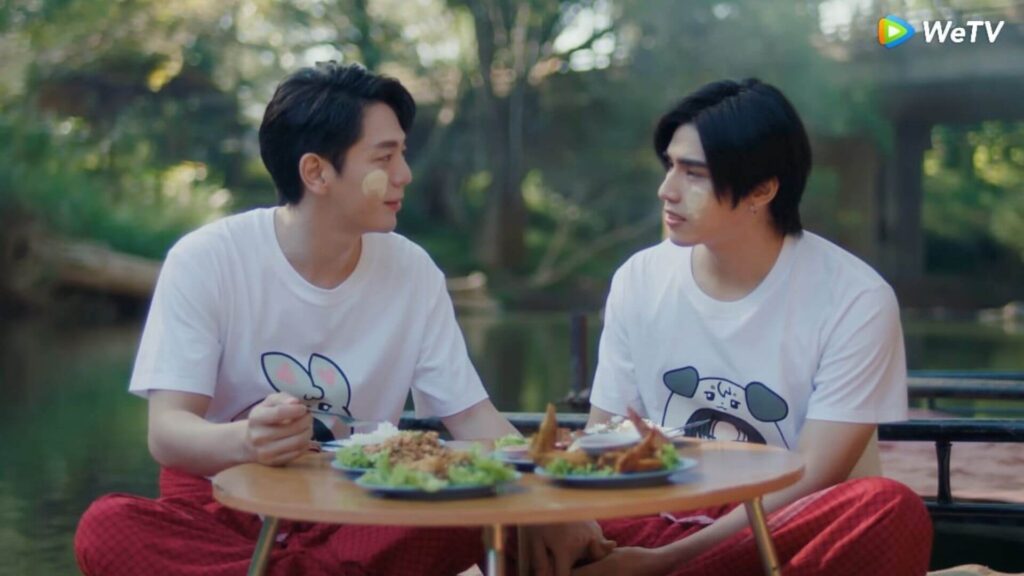
    Fort and Peat together spark something sharp, jagged, more warning sign than warmth. That tension hums, uneasy, like static before a storm. Peat shapes Kelvin with flickers, a twitch of the mouth, a pause too long, and lines spoken just low enough to crawl under skin. Gooseflesh rose more than once. Not some helpless figure caught in chaos, he moves with certainty, claiming Vier as if by right, quiet hunger beneath calm eyes.

    The funny thing is, Vier actually gets it. He sees the trap closing around him and moves fast to get out. With Nana’s support, he lands in Chiang Mai and pieces together something new. Then Kelvin shows up again, silent and relentless. Their bond twists between fear and closeness, hard to name, harder to leave. It stinks of imbalance, maybe even warped loyalty. Still, the rawness feels real, too tangled to look away.

    What makes Ken stick to the series is that he’s the kind of bad guy who gets under your skin—pushing Vier and Kelvin into each other’s paths, whether it fits or not. Their escape routes vanish because he shows up. Opposite ends of the world wouldn’t matter as he’d still pull them back. Together becomes unavoidable, thanks to him.

    Yesterday jumps between “one year ago” and the present day. At first, it is confusing, sure. Yet slowly a puzzle forms. Instead of asking why things happened, your mind hunts for timing. When did Kelvin’s love turn into obsession? Clarity builds not in order but through gaps. Each scene asks: Is this before or after the break?

    The Beauty of Fixation

    Yesterday looked breathtaking on screen. A noticeable leap in quality marks its visual approach. As the story moves from urban starkness into northern Thailand’s green embrace, light shifts too, mood shaping place, not just the reverse. Characters feel different because the world around them does.

    A sharp moment comes when the “airport abduction” unfolds in episode 3, followed by the tension of blades crossing. 

    Midway through the tension between Vier and Kelvin, Nana emerges, portrayed with quiet force by Beck, and shifts the emotional weight without fanfare. Not a counterbalance exactly, but more like sunlight hitting a dusty floor, revealing what was always there. 

    What stands out about Nana is her genuine role in Vier’s life— unlike others around him, she shows no interest in using their connection for business advantage. Her presence defies the usual best-friend stereotype by carrying depth and intention. 

    A quiet difference emerges when Nana’s bond unfolds beside the central story, revealing the imbalance between Kelvin and Vier.

    “Book vs. Show” Tension

    Changes from the original novel stand out clearly. I am so thankful the screenwriters toned down the tone, shifting attention toward mind games and control dynamics, which helped avoid empty shock value. Because of this shift, the show leans into serious storytelling rather than pointless cruelty. What results is something weightier, less about pain for its own sake, more about tension you can feel. It is a relief to see restraint used well.

    The finale doesn’t give you the typical “happily ever after” wedding bells because, frankly, these characters don’t deserve that. It’s an ending that feels earned in their world, where love and ownership are the same thing.

    Drama Info & Ratings

    • Title: Yesterday
    • Episodes: 10
    • Genre:  Romance, Drama
    • Cast: Fort Thitipong, Peat Wasuthorn
    • Where to Watch: WeTV

    • Overall Score 8.5/10
    • Story 8.5/10
    • Cinematography 10/10
    • ReWatch Value 8/10

    Check Out: Thai BL “Duang With You” First Impressions

  • Always Meet Again Review: Woo Ji-han & Shin Jeong-you Korean BL

    Always Meet Again Review: Woo Ji-han & Shin Jeong-you Korean BL

    This week, I just watched the last episode of the Korean BL Always Meet Again, and my heart has gone through an actual time loop. It is not a follow-up of A Breeze of Love, but we get to see our cuties sharing screen again in yet another BL, in a darker, more adult, and more tragic and disastrous form. I am glad they reunited with Shin Jeong-you and Woo Ji-han, since their chemistry is the lightning one catches only once in a lifetime.

    The Art of the Regretful Return

    I am immediately drawn into the mini-series because Jang Hye-seong (Woo Ji-Han) is a well-known painter who is evidently troubled by something. He goes to his former high school to lecture there and gets hold of his old sketchbook. He attracts his first love, Lee U-jin (Shin Jeong-You), on a whim, and as soon as the pencil gets out of the paper, the world changes. He found himself in 2008 as an 18-year-old.

    Always Meet Again Korean BL Review

    The immediate feeling of dread, in the form of nostalgia, annoys me in the first two episodes. Hye-seong knows what happens. He is aware of the coming accident. I liked it when he tried to separate himself from U-jin at once to rescue him. But U-jin? U-jin is an absolute flirt. He is immoral, relentless, and his crooked smile is such that Hye-seong, and honestly, I, can’t stay defensive for long.

    The Mid- Series Heartbreak (Episodes 3-4)

    I am already completely engaged in their second chance dates by episode 3. The scene of the sketchbook is so tender that it is painfully so. They are cheerful, and it is at this point that I realized that the writers were going to turn the knife.

    The breakdown began in episode 4. Hye-seong believes that the only possible solution to rescue U-jin is a clean break. He stands him up. He acts cold. He tells him he’s going abroad. The image of U-jin with his heartbroken face at the train station literally broke me. However, the show throws another huge plot twist: U-jin spotted Hye-seong glitch or vanish! It is even messier than I imagined that the current timeline is. The sister and his best friend Tae-jun have been secretly burying the truth about the memorial day. I am enraged with the characters who are on the side, yet I also recognize his wrongly placed motive to shield himself against his own culpability.

    An Imagery and Sound Masterpiece

    Last but not least, I need to discuss the value of production since it makes it feel like a high-end indie film. The use of color is genius. When Hye-seong touches U-jin, the color may fade, or there may be some immobility on the screen, which seems like the universe opposing their union. It reminds me of Color Rush with a much more grounded and melancholic performance.

    Another perfection level is the OST. This hollow-echoing quality of the instrumental pieces in the art room scenes makes the silence seem heavy. I was already searching up the Spotify playlist even before the episode was over. Whenever the piano picks up on a staring match, I realize that I am losing yet another part of my soul to the bl.

    The Climax and the Philosophy of Fate (Episodes 5-7)

    The logic of time travel becomes somewhat confusing in the later episodes, yet I personally do not care. I am here because I want the emotions and not the physics. Hye-seong understands that he could be the very thing that drives U-jin to the tragedy that he is attempting to avoid. 

    Korean BL Always Meet Again Review

    I do like the change in the story here. It does not matter whether it is changing the past or living the present to the full extent. It is the best angst to see them going through the fear of the accident that is about to happen, and yet they decide to love one another. In episode 6, they simply look at one another, and you can have a glimpse of the soul of 35-year-old Hye-seong through the eyes of his 18-year-old self. It is haunting.

    A Bittersweet Exhale

    I have only just watched episode 8, and I am still processing. It ends somewhat of an anti-climax as it lacks a big blast and a 20-minute wedding, but I believe it fits the introverted soul of the show. 

    The resolution of the accident is silent. It is concerned with the internal transformation of the characters, not merely an outer plot to fill. The only fact I regret is that it was so sudden. The episodes are not longer than 30 minutes, and the finale seemed to deserve an additional 10 minutes so that we could sit with them and enjoy the silence. We should certainly have an episode special or an epilogue version, to give the after of it all.

    This is like A Breeze of Love except that you will be bearing a much heavier emotional burden. It is a narrative of the burden of the unsaid and the horrific loveliness of the second chance. I am, in fact, a fanatic, and I shall be prescribing this to all who like a good soul-destroying romance. At this point, however, I will excuse myself and proceed to listen to the OST and weep into my pillow.

    Drama Info & Ratings

    • Title: Always Meet Again (2026)
    • Episodes: 8
    • Genre: Romance, Youth, Fantasy
    • Main Cast: Woo Ji-Han, Shin Jeong-You
    • Where to Watch: GagaOOLala

    • Overall Score 8/10
    • Story 8.5/10
    • Acting 9.5/10
    • Cinematography 10/10
    • Rewatch Value: 8/10

    Check Out: Korean BL “The Story of Bi Hyeong” Review

  • Countdown to Yes: Japanese BL Manga Live Action Review

    Countdown to Yes: Japanese BL Manga Live Action Review

    I am actually screaming, crying, and throwing up, as I have just watched the 10-episode countdown to yes (11 if we count the epilogue)! I am now in my Wataru and Minato protection era. This Japanese BL series is a live-action adaptation of the manga of the same name. 

    Three Years of Pining and a Shared Apartment

    The j-drama follows Wataru (Amemiya Kakeru), a literal angel who always has his camera with him and has a huge crush on his best friend. During his high school and university years, he could never live without Minato (Yoshizawa Kaname), but the overwhelming burden of his unrequited love caused him to ghost Minato after he graduated for three years. 

    Then, Minato comes back to their hometown to work and throws the deadliest line in J-BL history: Why don’t we live together again? He is a man of zero chill and uncompromising character. He relocates to the neighbourhood of Wataru, and the domestic tension is off the scale. It is wild, it is unkempt, and I loved every minute of the inner screaming!

    Yoshizawa Kaname is the most stoic king, and with the help of little things, such as fixing a camera, purchasing favorite snacks, and being present in general. Every time he glances at Wataru, with those piercing, heavy eyes, I feel tingling. Minato has clearly also been in love with Wataru this entire time.

    Amemiya Kakeru is a complete weeping queen on the other side. My heart literally comes out of my chest when he shivers at the thought that he is overstepping the line of friendship. He is so innocent and fears the loss of the only person who matters. His acting shows a particular type of panic of a best friend, where each unintentional touch seems to be a lightning strike. He is 110 percent star-crossed lover level, and I am addicted to his story!

    The Yogurt, The Camera, and The Domestic Bliss

    The intermediate scenes, like in the tiny symbolic details of ‘Welcome Home’ in episode 4, are a 10/10 show of pining. The found family aura of them living together once more is so tender yet so angst-filled. It is also humorous and pathetic that Minato is huffy and clingy when he feels jealous, and I loved the chaos. The show works with photography as a beautiful metaphor. Wataru is constantly gazing at pictures of Minato through the window of his mind because he is too frightened to look at the actual person.

    Countdown to Yes episode 4 review

    The main plot concerns two adult people with years of past, who are scared of a no. The J-drama avoids wacky comedy and instead plays into the silent and somber scenes of revelation. As they both dissolved in each other once more, I got the hint that this is not a roommate scenario but a soulmate quest!

    Minato was 100% the one who was the most pining all along, and I have the receipts to prove!

    While Wataru was busy ghosting and playing a weeping queen in some other city, Minato was literally standing around…waiting. He did not move on— he did not find another love interest. He moved back to their hometown with the express purpose of looking for Wataru. He phrases out the live together line like it is an ordinary Tuesday, when you know in his mind he has been practicing living together for 1,095 days!

    The domesticity in this show is a 10/10 master work of implied love. Minato is a stoic king, and his behavior is 110 percent I love you intensity.

    He is fully aware of what Wataru likes. Not only is it more than just roommate behavior to buy that particular yogurt and ensure that the fridge is full, but it is a declaration of ownership over the life of Wataru!

    Eventually, when Minato gives in and embraces Wataru, it is an utterly beautiful scene of complete submission. It is the voice of a man who has taken three years to let out his breath. He is not merely pleading for the proposal; he is pleading with Wataru not to continue running away to the one man who has always been the place where he can stay safe.

    An Excellent Masterpiece

    Countdown to Yes japanese bl review

    Its cinematography is a complete masterpiece that has a healing aesthetic that shows each frame through the eyes of the camera that Minato uses. It is the massive emotional payoff that gives a direct and affirmative yes to the suggestion. It is a disturbingly beautiful affirmation of why we risk so much on behalf of our loved ones. It is high angst, and I savored every minute of the pain! The ending was happy, but it was not the ‘lived happily ever after’ type ending. Rather, it was more grounded and realistic, which showed two adults trying to figure out life as they come to terms with their feelings.

    Countdown to Yes is a must-watch show for the fanatical fans such as me. It is a drama about the safety of a best friend and the excitement of a lover, and I will be rewatching those ‘yogurt’ scenes until I faint!

    Drama Info & Ratings

    • Title: Countdown to Yes
    • Episodes: 11
    • Genre:  Comedy, Romance, Life
    • Main Cast: Yoshizawa Kaname,
      Amemiya Kakeru
    • Where to Watch: GagaOOLala

    • Overall Score 9/10
    • Story 8.5/10
    • Acting 9/10
    • Cinematography 10/10
    • Rewatch Value: 9/10

    Check Out: “Love Begins in the World of If” Review

  • Phantom Lawyer First Impressions (Episodes 1 to 4)

    Phantom Lawyer First Impressions (Episodes 1 to 4)

    Current status: crying for ghosts! I went into Phantom Lawyer thinking it was just a supernatural drama, but boy, was I wrong. With the first four episodes out, here’s what I think about it so far. A humorous and touching mystery where the ghost-sighted attorney Sin I-Rang and the high-end attorney Han Na-Hyeon set out to right the wrongs of very “special clients” using the law. 

    The Lawyer who Sees the Unseen

    Shin I-rang (Yoo Yeon-seok) is the definitive prototype of a timid and possessed main character. He is a lawyer who begins his business in an old shaman’s house, and suddenly he starts seeing ghosts. The energy of the accidental hero, although not new, is something I am sold each time. Though he looks reliable, he is actually shy and inept at his work until a haunted client, who has a sad story or something, arrives.

    Phantom Lawyer First Impressions

    Then, the magic happens. When he lets himself be possessed, he adopts the characters and the dead’s anger to succeed in the cases. Yoo Yeon-seok is a frightening, ethereal actor one time and comically clumsy the next, playing I-rang. He has managed to develop a variant of a legal hero that would be completely fresh in 2026. And in Phantom Lawyer, the dead definitely tell tales.

    Next is our all-time favourite: Han Na-hyeon (Esom). She is an upper-class, cold-blooded lawyer who is 100 percent win and only believes in evidence. Their chemistry, or more to say, the sheer biological warfare, is electric. It is a clash of two entirely differing ideologies of justice.

    Episodes 1 and 2: The Gangster Ghost

    In episode 1, I-rang accepts the case (not very willingly) of a ghost played by the one and only Heo Sung-tae (Lee Kang-Pung), who is a man with bitter feelings. We literally watch I-rang shatter the doors of the warehouses using his car to rescue Na-hyeon, who is surrounded by drug dealers.

    The best part of episode 2 is the gangster possession sequence. Lee Kang-pung acquires I-rang and turns into a killing machine. He then charges a warehouse full of criminals with an offensive flying kick and a strong fist. The best way to change the tone would be watching Na-hyeon enter the first loss in her diary while I-rang sprinkles red beans in front of the office to scare the spirits away.

    Episodes 3 & 4: Dancing Lawyer 

    Phantom Lawyer First Impressions episode 1-4

    Episode 3 introduced a high school girl ghost, So-hui, who died from falling off a rooftop. I love how the K-drama doesn’t portray her as some vengeful ghost looking for salvation, but rather a little girl who wonders why she had to die. 

    The most memorable of 2026 to date, as presented in episode 3, was the possession of the spirit of So-hui (high school girl) by I-rang (Yoo Yeon-seok): she lived and breathed K-pop. I am entirely intoxicated by the glory of the scene in red cheeks. I-rang did not only dance when the Love Dive of IVE came on his brother-in-law’s phone, but he was also the centre.

    The scene, where Yoo Yeon-seok nails the recognizable hand moves, and the narcissistic soulful look of one of the members of the group, is a literal masterpiece of physical comedy. He takes the “ending fairy” like a science. Before his mind moved to the extent of knowing what was going on, his body reacted.

    I am laughing one minute at the warding rituals of red beans, and the next minute I am envying I-rang with his lawyer look of crushing the stage. The dancing is correct, the charge is electric, the idol trainee possession is rightfully my new identity. 

    The images are flooded with sterile office whites and the deep, shocking crimson of the shamanic talismans. All the frames seem to be a game of chess, where the board is being turned inside out. I am loving the fact that the show does not have cliched preaching. Rather, it alters the way you chose this reality of the dead. Each episode brings a different retribution and feels like a warm hug. 

    He risked his life and aura over those dance lines, and it was compensated. I am prepared for the next possession, the next loophole of the law and the next occasion that I-rang might choose to break the internet with a girl group cover!

    While the show isn’t entirely a fresh concept— we saw something similar in Oh My Ghost Clients in 2025 on Netflix, but it definitely has the warmth and the humour to keep me entertained.

    Phantom Lawyer is currently streaming on Viu & Netflix. Episode 5 will be out on March 27. 

    Drama Info & Ratings

    • Title: Phantom Lawyer
    • Episodes: 16
    • Genre: Mystery, Comedy, Law, Supernatural
    • Main Cast: Yoo Yeon Seok, Esom
    • Where to Watch: Netflix, Viki, Viu

    • Overall Score 8/10 for 1-4 Episodes
    • Story 9/10
    • Acting 10/10
    • Cinematography 10/10

    Check Out: K-drama “Boyfriend on Demand” Review

  • When Life Gives You Tangerines Review: A Masterpiece on Netflix

    When Life Gives You Tangerines Review: A Masterpiece on Netflix

    The 16-episode ride in Netflix’s When Life Gives You Tangerines (2025) has left me in a nostalgic, sweet-and-bitter state. My heart feels like it has been dried on a Jeju porch and squeezed. It is a masterpiece of drama, which is decades long and sweeps a rhythmic soul of the 1950s and a quiet reflection of the present day. I am absolutely in love with the manner in which it handles the passage of time as both a thief and a presenter.

    When Life Gives You Tangerines Review
    Credit: Netflix

    The Rebellion of Ae-sun

    Ae-sun (IU) is a matchbox in a world of wet matches. I enjoy her energy as a rebel without a cause in the 1950s segments. She is a poor girl born in Jeju Island, who does not allow her poverty to be the measure of her worth. She is outspoken, she is rebellious, and she is a literal poet in a society that requires her to be a silent laborer. IU approaches her with a rough, nervous vitality that is completely dissimilar to her former roles.

    She is not only a dreamer, but a fighter. Whenever she reads a book in bed or even shouts against the suffocating demands of her village, I get a rush of pride. Her soul is as yellow and clean as the citrus fruit the show is dedicated to. She is a girl who desires to see the world. It is a moving and smooth transition to watch her grow into her older self (the legendary Moon So-ri). The older Ae-sun is the same, but refined with the experience of a woman who has passed through the ages of life.

    The Mute Power of Gwan-sik

    Across this very colorful storm lies Gwan-sik (Park Bo-gum), a man who is the human equivalent of a sturdy wall. He is steel-like in his devotion. His unspoken, unswerving love for Ae-sun is a stirring emotion to me. He does not talk a lot, yet he proves to be a man of actions, full of a thousand words.

    Park Bo-gum gives a performance of unbelievable restraint. His eyes are used to convey his lifelong desire and devotion. He encourages the wild dreams of Ae-sun, never attempting to put them in cages. Their relationship is a gorgeous, slow-burning fire that heats you, both inside and out. It is not glitzy or dramatic; it is the type of love that makes a home. The fact that his elder self (portrayed by Park Hae-joon) is still carrying this tradition of silent service made me shed tears on more than one occasion. The flow of spirits of the two actors is perfect, as they represent one tender soul at other times.

    When Life Gives You Tangerines on Netflix
    Credit: Netflix

    A Jeju Island Symphony

    This K-drama is an actual love letter to Jeju Island through its cinematography. The colors of the earth, the sea, and the bright orange of the tangerines are flooding the pictures. Each scene feels like an old postcard brought to life. The production design is the intended embodiment of the gritty, hopeful mood of the post-war 1950s, and it is contrasted with the smooth, solitary one of the present.

    The narration is positive and consistent. It gives ordinary moments in life the same importance as major ones, such as washing clothes by the sea, having a simple meal, or walking along a dirt path. I like how the show does not have the cliché of “will they, won’t they”. Rather, it dwells upon how they live together in reality. The plot is a gorgeous circle of the past and the present, which demonstrates to us how the decisions of our youth reverberate in our end-chapters.

    Check Out: K-drama “Boyfriend on Demand” Review

    The Weight of Memory and Loss

    As the k-drama moves towards the final episodes, the key to the show becomes a profoundly moving reflection on growing old and retention. The time-travelling road trip in the second part of the show is a pure emotion mishmash. I was thinking of my family background and the secret number of lives my elders had. 

    My heart broke into pieces like shards of glass during Episode 14. The realization of the time spent, how many dreams had to be sacrificed on the way, is so gracefully managed. It is not a tragedy, but a tribute. The language is plain and heartfelt, with no hesitation about the ugly scenes of poverty or the physical burden of old age.

    When Life Gives You Tangerines is an artistic work of closure. It does not present you with a fairytale; it presents you with a harvest. It teaches us that life may be brief and may be full of thorns, but the fruit we bear in the journey is sweet and everlasting. The last scenes made me feel peace that I have not experienced in a long time after watching a K-drama.

    This is a must-watch for any person who is fond of a big family saga or a K-drama that can be compared to a warm embrace on a cold day. It is a tale of the loveliness of being a tangerine, a little sour, and so memorable. But I don’t think I have it in me to rewatch this again anytime soon.

    Drama Info & Ratings

    • Title: When Life Gives You Tangerines
    • Episodes: 16
    • Genre: Romance, Life, Drama
    • Cast: IU, Park Bo-gum, Moon So Ri, Park Hae Joon, Kim Yong Rim, Na Moon Hee, Kim Seon-ho, Lee Jun-young
    • Where to Watch: Netflix

    • Overall Score 9.5/10
    • Story 10/10
    • Acting 10/10
    • Emotional Impact 10/10
    • Cinematography 10/10
    • ReWatch Value 2/10

  • Girl From Nowhere Season 3: First Impressions (Episodes 1-3)

    Girl From Nowhere Season 3: First Impressions (Episodes 1-3)

    I am presently jittering in a state of complete, unbalanced obsession, and it is because of the pure cinematic violence of Girl From Nowhere: The Reset. Well, the first one was dark, but this re-interpretation is a speeding, blood-soaked nightmare into an entirely new dimension. The picture of power dynamics I saw here makes me physically unable to function. The show is rated as dangerous to my mental health at 10/10, and I have knowingly stepped into the trap.

    Girl from nowhere the reset-Becky Armstrong-Nanno

    Girl From Nowhere: The Reset runs 60 minutes.

    • Girl From Nowhere: The Reset Netflix Cast
      Becky Armstrong, Jane Methika Jiranorraphat, Veerinsara Tangkitsuvanich, Offroad Kantapon Jindataweephol, Jump Pisitpon Ekpongpisit
    • Girl From Nowhere: The Reset Series Directors
      Wasuthep Ketpetch, Pokpong Pairach Khumwan, Sivaroj Kongsakul, Sitisiri Mongkolsiri, Eakasit Thairaat

    The series has 6 episodes dropping every Saturday at 8.20 PM IST.

    The New Avatar of Karma

    Becky Armstrong, as the new Nanno, is the absolute model of the contemporary myth. Her energy of “mischievous but deadly” is entirely in control of me. She does not merely play as Nanno; she can see her as a force of nature that is more playful, flirtatious, and yet even more frightening because she appears to be having fun with the anarchy on a human scale. She has managed to break free of the silhouette of the original and made a variant of Nanno that is a high-voltage wire that awaits a rainstorm. Her giggle is a physical weapon that slices through the BS of all social hierarchies that she goes through.

    Episode 1: Sky

    The Reset begins with an assault on the gut. We are introduced to a student by the name Sky, who is being harassed by a bully known as Jom. The bullying is on an excessive level, and we are talking about physical attack and complete humiliation. Nanno not only comes as a punisher but also as an urban legend, which Sky goes online to search. I admire the transition in which she turns out to be a source of hope to the victim. The Jom punishment is a masterpiece of slapstick horror— his hand changes to a squeaky toy hammer, and his classroom chair is turned into a toilet seat. It is unreal, it is disgraceful, and it is just what he deserves.

    Girl From Nowhere The Reset

    Episode 2: Panty

    It is a sharp, witty, and very uncomfortable examination of voyeurism and the culture of incel that schools are afraid of. Nanno takes charge of three boys who are out to attack the volleyball team. Her manner of turning the tables on them is literally masterful. Rather than Nanno being victimized, the boys end up dragging their own dirt before the whole school, as well as the secrets of the principal. It is a mental marathon that maxes speed, and Nanno is seen to be 10 steps ahead of the predatory instincts of all people.

    Episode 3: Hater

    This episode drags us to the digital trenches of 2026. Episode 3 shows the story of a toxic symbiotic relationship between a clout-chasing online influencer and an anti-fan. There is Jamie, the Dog Streamer, who has made a whole business out of his rescue dog Hong, and there is Hongtae, the sad, desperate teenager who is just hoping to witness a failure. Here I am, obsessed with the entrance of Nanno. She comes as a super-fan, yet she is literally a catalyst of mayhem. She does not simply observe the fire, but she gives Hongtae the gasoline and a lighter. 

    The episode is transferred online and literally transformed in the show into an actual physical battle within the head of Hongtae. I am crazy about the straightforwardness of this gimmick! In the case when Jamie blocks one of his burner accounts, his attacker in the arena disappears. When a hashtag such as #BanJamie begins to trend, an actual mob of soldiers is seen beating Jamie’s avatar.

    By the end of episode 3, Jamie’s popularity increases as a result of the controversy. The episode felt like it was straying away from the original as a psychological thriller. 

    Check Out: K-drama “The Art of Sarah” Review

    The Final Verdict & The Hype

    Girl From Nowhere: The Reset is a story and an image masterpiece. The character has gained a new, more “Gen Z” touch by Becky Armstrong, making Nanno look closer and more threatening in our digital era.

    I am counting the seconds till the next release of episodes literally. Red string is already on my theory board since the foreshadowing in Episode 4 hints at the fact that the “Reset” is going nuclear. Had the first three episodes been this unbalanced, I am not emotionally ready to see what Nanno will do to the remaining of these schools. I am prepared for the slaughter, the comedy, and the complete psychic destruction! 

    Episode 4 will be out on March 28th at 10 AM EST.

    Drama/Series Info & Ratings

    • Title: Girl From Nowhere, Girl From Nowhere: The Reset
    • Total Episodes: 6
    • Genre: Thriller, Mystery, Psychological, Supernatural
    • Main Cast: Becky Armstrong, Prudtichai Ruayfupant
    • Where to Watch: Netflix

    • Overall Score 9/10
    • Story 9/10
    • Acting 10/10
    • Cinematography 10/10
    • Karmic Satisfaction: 9.5/10 

  • Duang With You Episodes 1 to 5: Thai BL First Impressions

    Duang With You Episodes 1 to 5: Thai BL First Impressions

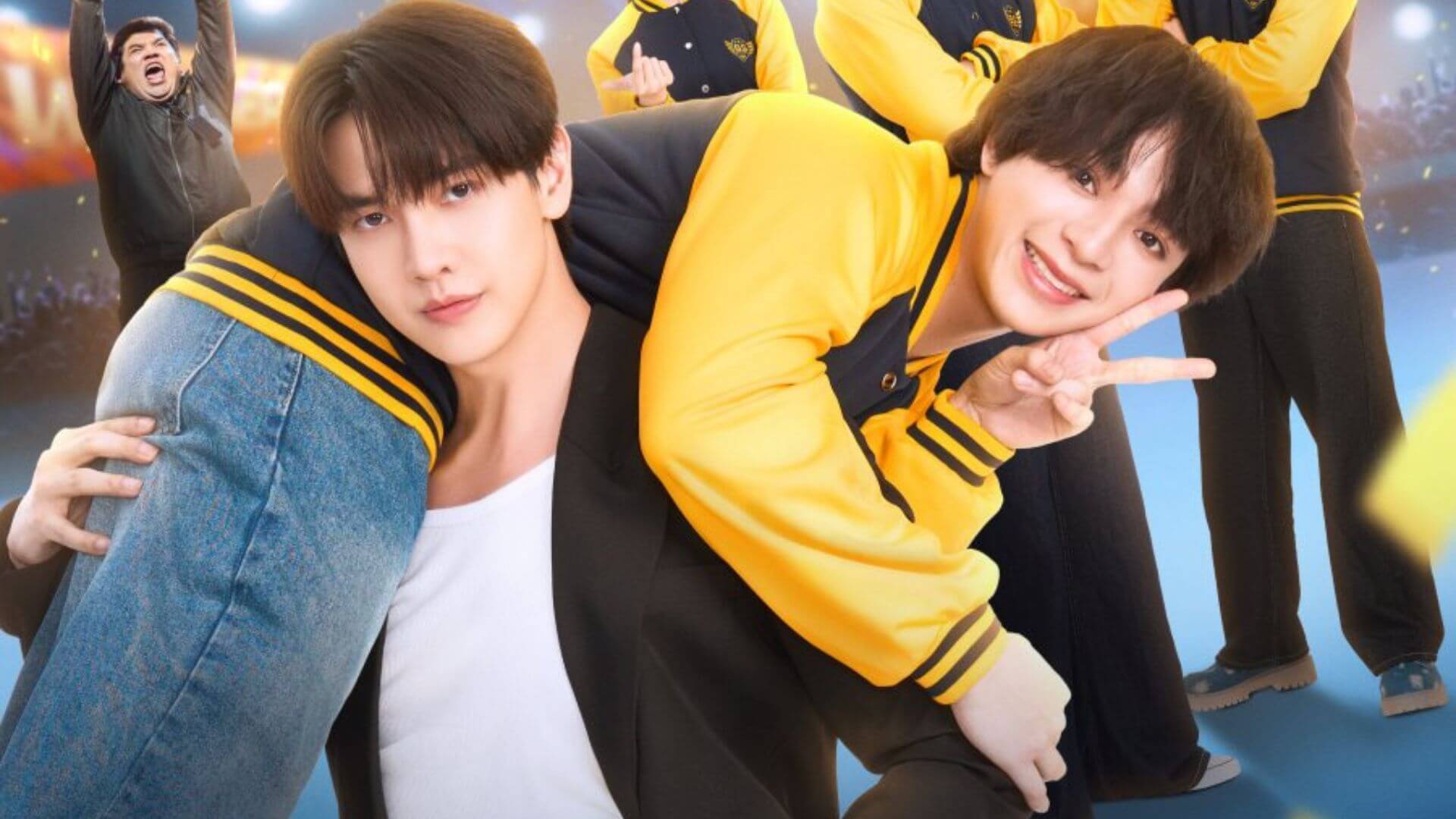
    If you thought you’d seen every possible way a Thai BL lead could “pursue” his crush, think again. Duang With You has officially entered the chat, and it’s brought a megaphone, a stack of stickers, and a complete lack of shame. Adapted from the novel Not the Best but Still Good, this show is the definition of “it’s so silly it works.”

    We’ve got TeeTee Wanpichit playing Duang, a human hurricane of energy, and Por Suppakarn as Qin, a stoic jazz student who is essentially a brick wall that Duang is trying to decorate with glitter.

    Here’s a breakdown of the first five episodes and why I’m currently “Duang-ed” for life.

    Episode 1: Love at First Orientation

    "Duang With You" First Impressions

    The Content: We meet Duang, a decorative arts student who falls in love at first sight with Qin, the faculty’s icy music prince, during a freshman party. Duang decides on the spot that Qin is the “Love of his Life” and initiates a pursuit that is… well, highly persistent.

    The Review: This episode is a fever dream of bright colors and high energy. TeeTee’s performance as Duang is a complete 180 from his role in Your Sky. He is loud, impulsive, and remarkably stalkerish in a way that somehow isn’t creepy? It’s more like a golden retriever that doesn’t understand the word “no.” The comedy sound effects are a bit much, but the energy is infectious.

    Episode 2: The Sticker Strategy

    The Content: Duang’s flirting tactics involve leaving “Good Morning” stickers on Qin’s possessions and trying to find excuses to be in his orbit. We see Qin starting to crack, though he’d never admit it.

    The Review: This is where the “stoic vs. sunshine” dynamic really starts to pay off. There’s a scene where Qin purposely chooses a white chocolate snack just so he can “accidentally” grant Duang’s request. It’s subtle, but Por is doing wonders with his micro-expressions. You can see Qin internally screaming, “Why do I find this annoying human cute?”

    Episode 3: The Stage is Set

    The Content: In a move that clearly suggests the professors are in on the shipping, Duang and Qin are paired together for a stage performance. Forced proximity? Check. Shared rehearsals? Check.

    The Review: This episode gives us a break from the slapstick and leans into the chemistry.The musical element adds a nice layer. Watching Qin serenade the room while Duang looks on like his world is tilting is pure BL gold. Also, special shoutout to Duang’s friends, Jamie (North) and Pae (Wave). Their “spy mission” to gather intel on Qin is peak teenage behavior and actually hilarious.

    Episode 4: The Long Way Home

    Thai BL Duang With You Review

    The Content: After a long rehearsal, Qin takes the “long route” back home under the guise of exercise, just to spend more time with Duang. Meanwhile, the side couples (Jamie/Marvis and Pae/Tong) are starting to stir up some serious heat.

    The Review: I am officially obsessed with the Jamie/Marvis subplot. Their chemistry is hot, providing a nice contrast to the sugary sweetness of our main pair. As for our leads, the “couch conversation” in this episode was a highlight. Qin’s fear of getting hurt again is starting to peek through his icy exterior, and Duang’s sincerity is the perfect antidote.

    Episode 5: Couple Tattoos & No Underwear

    The Content: Things get exponentially weirder and sweeter. Duang admits to not wearing underwear (don’t ask, just watch), they somehow end up with matching “tattoos” before even going on a date, and Qin finally admits he’d stay on a “sinking ship” with Duang.

    The Review: This episode is a riot. Duang is a “neurospicy” king who feels emotions in 4K, and Qin is finally learning how to navigate that energy. The scene where Qin calms Duang down during a freak-out is genuinely moving. Also, the revelation that they got a couple of tattoos before an official date? Only in this show. It’s chaotic, it’s illogical, and I loved every second of it.

    Check Out: Japanese BL “School Trip: Joined a Group” Review

    Thoughts After 5 Episodes

    Duang With You isn’t trying to be I Told Sunset About You. It’s a robust, silly, and incredibly charming look at how a persistent heart can melt a cold one. TeeTee and Por have a role-reversal dynamic that feels fresh, and the supporting cast is actually worth the screen time.

    Drama Info & Ratings

    • Title: Duang With You
    • Episodes: 12
    • Genre: Comedy, Romance, Youth
    • Main Cast: “TeeTee” Wanpichit Nimiparkpoom, “Por” Suppakarn Jirachotikul
    • Where to Watch: iQIYI

    Overall Score 7.5/10 (Ep 1-5)–Would highly recommend if you need a “brain rot” show that makes you smile.

    Rewatch Value: 8/10 so far